Your Smart Home Is Getting a Brain: Inside Apple's Massive iOS 27 AI Overhaul
Apple is turning the Home app into a predictive, intelligent powerhouse in iOS 27. From AI-summarized camera clips to energy monitoring, the smartphone rivalry is entering your living room.
Key takeaways
- iOS 27 transforms the Home app from a control switchboard into an AI-powered analytical tool with natural-language search.
- Apple is introducing native energy monitoring, reducing the need for fragmented third-party manufacturer apps.
- The update aims to compete with Google's Nest AI features while maintaining a heavy focus on on-device privacy.
- New AI-generated descriptions and multi-camera event stitching will significantly reduce notification fatigue for users.
The Intelligence Leap: Why Your Doorbell is About to Get a Lot Smarter
Imagine waking up to a notification that does more than just tell you movement was detected at 3:00 AM. Instead, your phone provides a concise, AI-generated summary: A delivery driver dropped off a package and the neighbor’s cat briefly triggered the porch light. This is the future Apple is building with iOS 27, and it marks a fundamental shift in how we interact with our living spaces. For years, the battle between iPhone and Android has been fought over camera megapixels and processor speeds, but the new frontline is the intelligence of the home ecosystem.
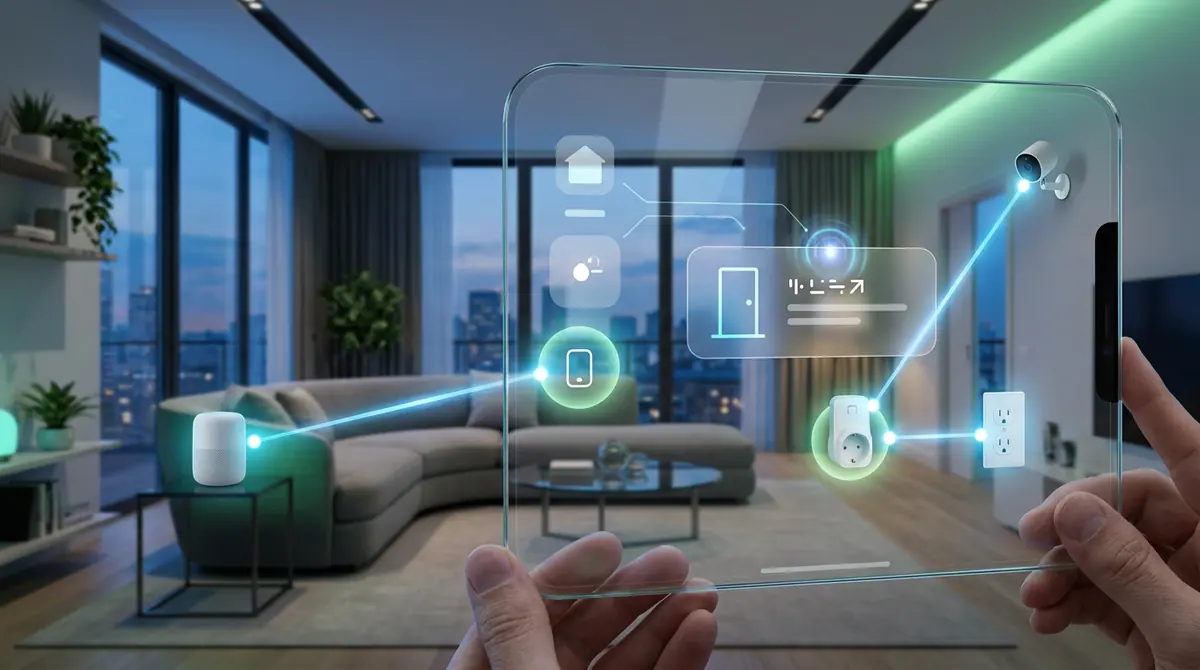
According to a report by MacRumors and detailed coverage from WWDC 2026, the Home app is undergoing its most significant transformation yet. It is no longer just a digital switchboard for your lights and locks; it is becoming a proactive assistant. The update introduces natural-language search for camera footage, allowing users to ask specific questions like, when did the kids get home from school, rather than manually scrubbing through hours of video. This moves Apple closer to the advanced AI features Google has traditionally offered through its Nest lineup, yet it does so with a uniquely Apple focus on privacy.
What Changed: From Control to Understanding
The delta between the current Home app and the iOS 27 version is staggering. Historically, Apple Home was a great control layer but a poor analyst. It could turn a light on, but it couldn't tell you why your energy bill was spiking. As reported by MatterAlpha, the new software introduces energy monitoring for compatible plugs and sockets directly within the Home app. This means you no longer have to jump between third-party manufacturer apps to see your power consumption. Apple is finally surfacing that data in a unified, easy-to-read interface.
Furthermore, the system is gaining multi-camera event understanding. Instead of seeing three different alerts from three different cameras as a person walks around your house, the AI stitches these events together into a single, coherent story. According to Apple's own software announcements, this cycle of updates leans heavily into cross-service AI features, ensuring that the intelligence found in your iPhone's Siri or Photos app translates seamlessly to your smart home security.
Context Box: The Foundation of Apple Home
For those new to the ecosystem, Apple’s smart home strategy shifted significantly with iOS 16.2. According to Apple support documents, that update introduced a new underlying architecture designed for better reliability and efficiency. However, it also established the requirement of a home hub, such as a HomePod or Apple TV, for remote access and advanced features like HomeKit Secure Video. The iOS 27 update builds directly on this foundation, using that hub hardware to process the complex AI summaries and natural-language searches that define this new era.
The Privacy vs. Performance Tension
One of the most compelling aspects of this update is how Apple balances local processing with cloud intelligence. While Apple’s official product pages continue to emphasize that Home is built for security and privacy, the reality of AI-generated summaries means a significant increase in data analysis. The industry is watching closely to see how much of this heavy lifting occurs on-device versus via cloud-assisted analysis. This is a key differentiator in the rivalry; while Google often relies on its powerful cloud servers to provide Nest's intelligence, Apple is betting that consumers will prefer a model that keeps as much data as possible within the walls of their own home.
Why It Matters: The Impact on Your Daily Life
This update is about more than just cool tech; it is about cognitive load. The average smart home user is currently overwhelmed by notifications. By grouping alerts and providing summaries, Apple is attempting to make the smart home less noisy and more useful. For students living in shared housing or families managing busy households, the ability to quickly search for events using natural language is a game-changer. It transforms a security system from a reactive tool into a searchable database of your daily life.
What to Watch Next: The Ecosystem Race
As we look toward the final release of iOS 27, there are three key things to watch. First, will third-party accessory makers adopt the new power-monitoring and metadata hooks quickly enough? Second, will these AI features be restricted to the latest Apple TV and HomePod models, forcing a hardware upgrade? Finally, we must watch how Google responds with the next iteration of Android. While Google’s ecosystem remains more open to various price points, Apple is closing the gap on software intelligence, making the choice between iPhone and Android less about the phone and more about the entire house.
A Final Thought
The smartphone has reached a plateau of sorts, where every new model is just slightly faster or thinner. The real innovation has migrated to the edges of the ecosystem. With iOS 27, Apple is making a definitive statement: the smartest thing in your pocket should also be the smartest thing in your home. Whether you are an Android loyalist or an iPhone devotee, this shift toward ambient intelligence is the most exciting development in mobile technology today.
Sources (7)
Discussion (0)
Commenting as
No comments yet. Be the first to share your thoughts!
The discussion could not be loaded. Please refresh the page.
EdTech specialist and former computer science educator