Apple Watch Series 12 and the Secret Foldable Strategy: A New Mobile Era
Apple's latest hardware cycle wasn't just about an iterative watch update; it was a masterclass in ecosystem lock-in and a teaser for a foldable future that could change everything.
Key takeaways
- Apple Watch Series 12 prioritizes durability and health sensors over design changes, featuring the S11 chip and Ceramic Shield 2.
- Apple extended free satellite emergency services for another year for iPhone 14 through 16 users, strengthening ecosystem lock-in.
- Rumors of an 'iPhone Duo' foldable suggest Apple could quickly claim 25% of the foldable market once it officially enters the space.
- Competition from Honor with the Watch 6 Pro shows that the premium wearable market is becoming increasingly crowded during Apple's launch window.
The Biological Sentinel on Your Wrist
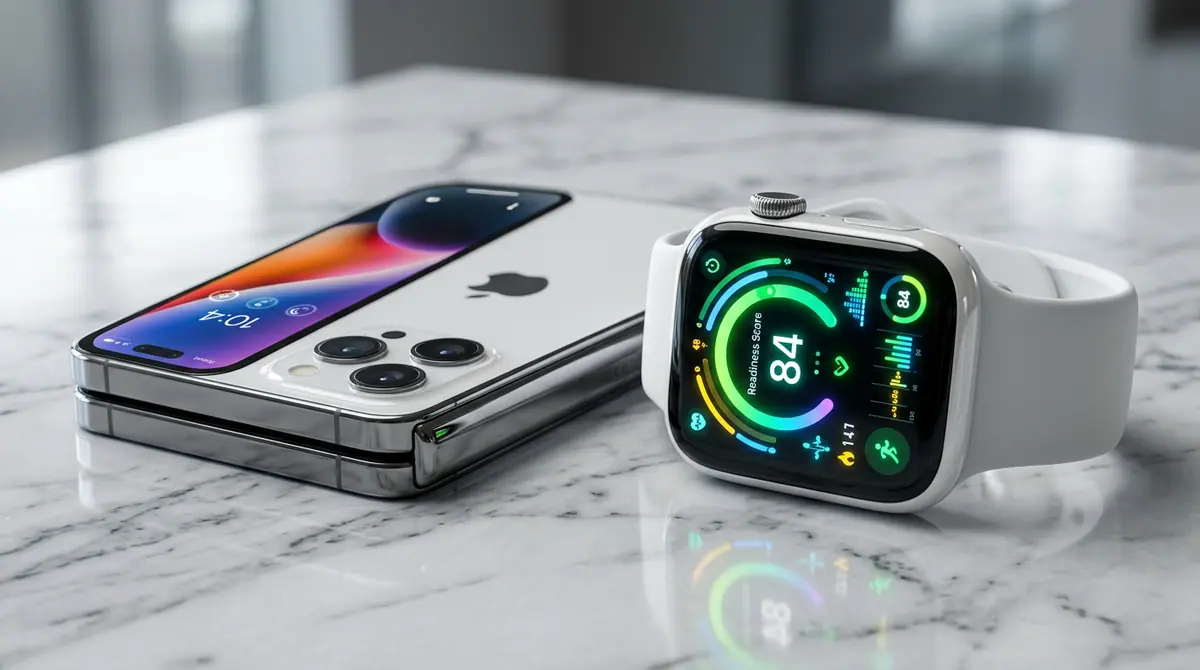
Apple just proved that the future of your wrist isn't about how the watch looks, but how deep it can see into your biology. In an announcement on September 9, 2026, the company unveiled the Apple Watch Series 12, a device that prioritizes internal sophistication over external flashiness. While many enthusiasts were hoping for a complete industrial redesign, Apple's newsroom confirmed that the Series 12 focuses on a new Health Sensing System and the S11 chip, maintaining the iconic silhouette that has dominated the market for a decade. Starting at 399 dollars and arriving in stores on September 18, this new model signals a shift toward medical grade health monitoring as the primary selling point for wearables.
According to reports from MacRumors, the Series 12 brings back the highly coveted ceramic case options, which were previously reserved for the Edition models. This move suggests that Apple is looking to capture the luxury segment without alienating the core user base. The standout feature is Ceramic Shield 2 on the aluminum models; Apple claims this material is 60 percent tougher than the Ion-X glass found on the previous Series 11. This is a critical upgrade for active users who have long complained about the durability of the entry level models. When paired with the new Readiness score, which interprets heart rate variability and activity data to tell you when to push yourself, the Series 12 positions itself as a smarter, tougher coach.
The Satellite Lifeline That Won't Go Away
While the new hardware took center stage, Apple quietly executed a strategic masterstroke by extending its free satellite access service. According to reporting by The Apple Post and CNET, users of the iPhone 14, 15, and 16 will enjoy another full year of emergency satellite services at no additional cost. This applies to any device activated in a supported country before the midnight deadline on September 9. This is not the first time Apple has extended this trial, and it highlights a fascinating tension in the smartphone rivalry: Apple is using safety as a retention tool rather than a subscription revenue stream.
Industry analysts at Macworld suggest that by postponing the point of monetization, Apple is keeping a significant lead over the Android ecosystem. While Google and Samsung have made strides in satellite connectivity, Apple's consistent extension of free service creates a sense of goodwill that is hard to quantify but vital for brand loyalty. It makes the iPhone not just a communication tool, but a literal safety net that users are hesitant to abandon for a competitor.
iPhone Duo: The Foldable Ghost in the Machine
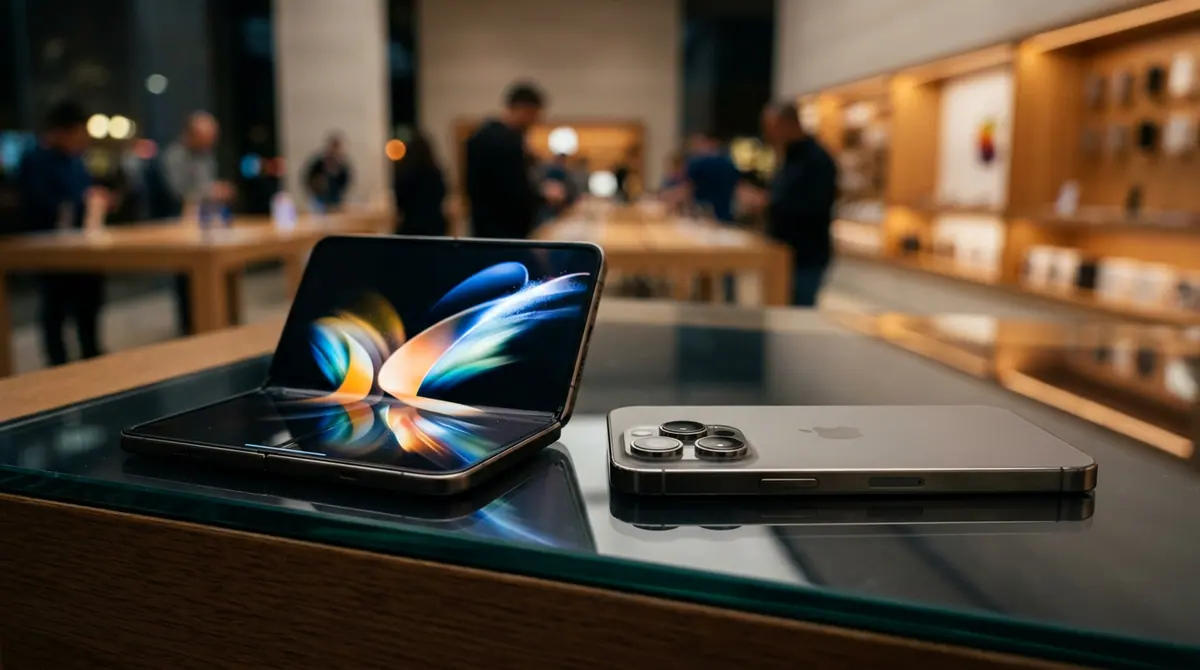
The most provocative news of the week didn't come from a press release but from the rumor mill regarding the future of the iPhone. A report from 9to5Mac’s daily update on September 11 discussed the potential for an iPhone Duo, a foldable device that could fundamentally shift market dynamics. The report makes a bold claim: the iPhone Duo could capture 25 percent of the global foldable phone market as soon as 2026. This is a staggering projection for a product category that Apple has yet to officially enter.
This speculation comes at a time when Apple Intelligence is becoming the core of the user experience. As reported by 9to5Mac, Apple is already refining the usage limits and terms for its AI features, preparing for a future where hardware like the iPhone Duo provides the screen real estate necessary for advanced productivity. In the Android camp, Honor is not sitting idly by. According to GSMArena, the upcoming Honor Watch 6 Pro is being positioned specifically to challenge the premium design of Apple and Samsung wearables, ensuring that the luxury smartwatch market remains a multi horse race.
What Changed: The 2026 Shift
- Tougher Entry Level Hardware: The introduction of Ceramic Shield 2 on aluminum models makes the most affordable Apple Watch significantly more durable.
- Advanced Health Metrics: The new Health Sensing System provides faster and more frequent heart rate and HRV measurements compared to the Series 11.
- Extended Safety: Satellite emergency services remain free for another year, delaying the expected subscription model for iPhone users.
- Foldable Logic: The conversation has shifted from if Apple will make a foldable to how much market share the iPhone Duo will immediately seize.
What to Watch Next
Expect the rivalry to heat up as we move toward the holiday season. The success of the Apple Watch Series 12 will largely depend on whether consumers value internal health upgrades over external style changes. Furthermore, the extension of free satellite service sets a precedent that will be difficult for Apple to break next year without a backlash. Finally, keep a close eye on the supply chain for news regarding the iPhone Duo; if Apple truly intends to capture a quarter of the foldable market in 2026, production should be ramping up within months. The mobile industry is no longer just about who has the best screen or camera; it is about who can best integrate into your health, your safety, and your future form factors.
Sources (5)
Discussion (0)
Commenting as
No comments yet. Be the first to share your thoughts!
The discussion could not be loaded. Please refresh the page.
AI researcher turned science communicator