
Your iPhone is Becoming Your Legal Identity: Why Apple is Bypassing the DMV
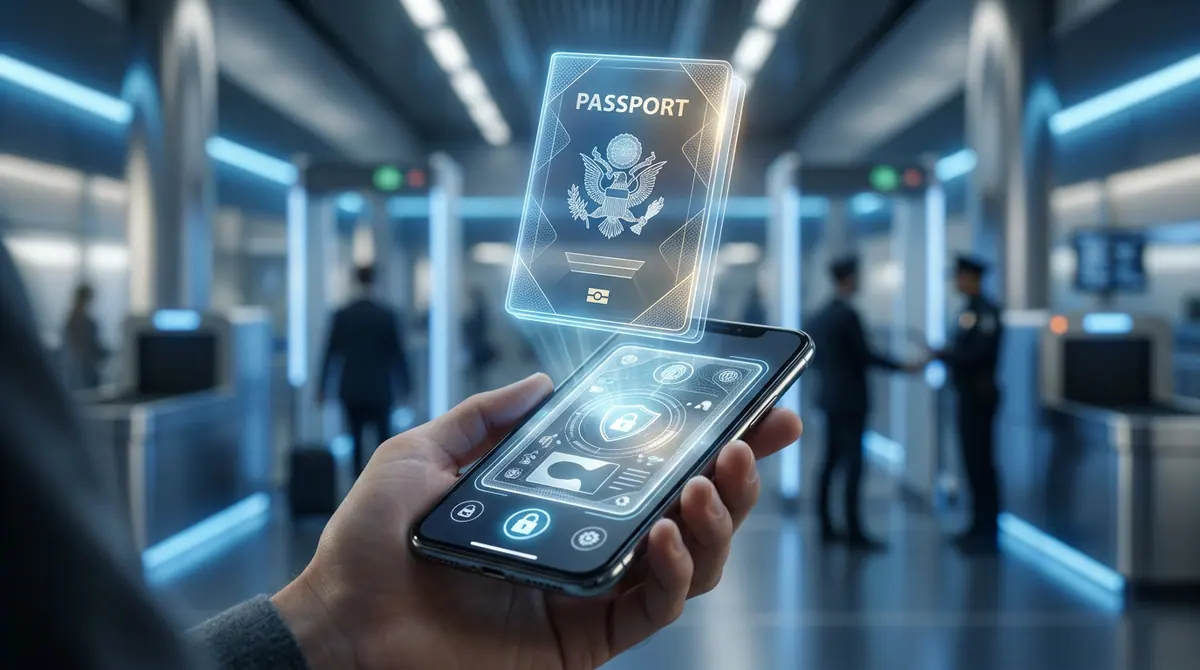
Apple is finally breaking the state-by-state logjam for digital IDs by using your passport to create a nationwide identity track, changing the way we travel and prove who we are forever.
Key takeaways
- Apple has introduced a passport-based Digital ID that bypasses the need for state DMV approval for nationwide identity verification.
- Only 13 states and Puerto Rico currently support state-issued IDs in Apple Wallet, with 7 more states in the pipeline but no firm dates.
- The system uses on-device encryption and chip-scanning technology to ensure users only share the specific data required for a transaction.
- The fragmented ecosystem remains a challenge, as some states opt for proprietary apps over native Apple or Google Wallet integration.
The End of the Physical Wallet is Closer Than You Think
Imagine walking through a busy airport terminal without ever reaching for your back pocket or digging through a messy purse for a plastic card. For years, the dream of a fully digital wallet has been held hostage by the slow-moving gears of state bureaucracy, but that is finally changing. According to a recent report by LiveNow FOX, the landscape of mobile identification is shifting as Apple aggressively expands its identity features to bypass the traditional bottlenecks of state governments.
For the average user, the frustration has been real. While you can pay for a latte or unlock your car with an iPhone, proving your age or passing through airport security has remained a stubbornly analog process. However, recent updates to the Apple ecosystem reveal a clever two-track strategy that changes the game for millions of travelers and tech enthusiasts alike.
What Changed: The New Two-Track Identity Strategy
Until recently, your ability to add an ID to your iPhone depended entirely on whether your state's DMV had decided to partner with Apple. This created a fractured experience where a resident of Arizona could breeze through security while a resident of New York was stuck carrying plastic. Apple has now introduced a second track: Digital ID using a U.S. passport.
As outlined in an official Apple newsroom announcement, users with a valid U.S. passport and a device running iOS 26.1 or later can now create a digital identity credential directly within the Wallet app. This is a massive development because it partially sidesteps the state-by-state DMV bottleneck. While state-issued mobile driver's licenses still require individual state approval, the passport-based Digital ID provides a nationwide option for eligible users to verify their identity at participating TSA checkpoints and even within certain third-party apps.
The Context: Why Your State is Taking So Long
To understand why this is a breakthrough, it helps to look at the current map of adoption. Apple's support documentation currently lists only 13 states plus Puerto Rico as having active support for driver's licenses in the Wallet app. While seven more states, including Arkansas, Connecticut, Kentucky, Mississippi, Oklahoma, Utah, and Virginia, are reportedly in the pipeline, there are still no firm launch dates for these regions. This delay is rarely due to the technology itself but rather the complex infrastructure and legislative hurdles each state must clear before allowing a digital alternative to the physical card.
Why It Matters: Privacy in the Palm of Your Hand
One of the biggest concerns regarding digital IDs is privacy. If you show a bouncer your phone, can they see your home address or your organ donor status? Apple is betting heavily on a privacy-first approach to win over skeptics. According to analysis from identity experts at Corbado, the passport-based system utilizes the secure chip already embedded in physical U.S. passports. By scanning this chip and performing a Face ID check, the iPhone creates a secure, encrypted token.
When you present this ID, you are in total control. The system only shares the specific information requested. For example, if a business only needs to verify that you are over 21, the Wallet app will confirm your age without ever revealing your full birthdate, height, or residential address. This level of granular control is something a physical plastic card simply cannot offer.
iPhone vs. Android: The Rivalry of Standards
The rivalry between Apple and Android has moved from camera megapixels to identity ecosystems. While Google has its own robust identity wallet for Android, the implementation remains equally fragmented. Insights from Corbado highlight a major hurdle for both platforms: some states are choosing to build their own proprietary apps rather than integrating with the native Apple or Google wallets. This means that even if your state supports a mobile ID, it doesn't necessarily mean you can use the sleek, built-in features of your phone. You might be forced to download a separate, often clunky government app instead.
What to Watch Next: The Future of Verification
The next twelve months will be a turning point for how we perceive our smartphones. Keep a close eye on the TSA. As more airports install the latest generation of identity readers, the friction of travel will decrease significantly for those using digital credentials. We should also expect Apple to push for more third-party integration, allowing you to use your Wallet-based ID for online age verification or car rentals without ever uploading a photo of a physical card.
The takeaway is clear: the smartphone is no longer just a communication device or a camera; it is becoming your primary legal token for existence in the modern world. Whether you are an early adopter or a privacy skeptic, the move toward a digital identity is an inevitable shift that will eventually make that piece of plastic in your pocket a relic of the past.
Sources (6)
Discussion (0)
Commenting as
No comments yet. Be the first to share your thoughts!
The discussion could not be loaded. Please refresh the page.
Open source advocate and full-stack developer


