The Pro Software Pivot: Why Apple and Samsung Are Redefining the 2026 Smartphone
Apple's massive Creator Studio update and Samsung's bold camera leaks signal a new era where elite AI tools and premium hardware features are locked behind high prices and subscriptions.
Key takeaways
- Apple has transitioned its professional software suite into a 'Subscription-Gated AI' model called Apple Creator Studio for $12.99/month.
- Significant cross-app integration now allows seamless workflow between Final Cut Pro, Pixelmator Pro, and Logic Pro.
- Samsung is rumored to be planning a major selfie camera overhaul for the Galaxy S27 series to compete with Apple's vlogging dominance.
- Google faces a $4.7 billion antitrust fine that could change how Android handles default search and app bundling.
The Era of the Subscription Paywall Has Arrived
The days of buying professional software once and owning it forever are officially over, as Apple has just locked its most powerful creative brains behind a recurring monthly paywall. On June 30, 2026, the tech giant released a massive update to the Apple Creator Studio, marking a historic shift in how it treats its most advanced tools. By bundling professional staples like Final Cut Pro, Logic Pro, and Pixelmator Pro into a single subscription layer, Apple is making a clear statement: if you want the cutting-edge intelligence of 2026, you must pay for it every single month.
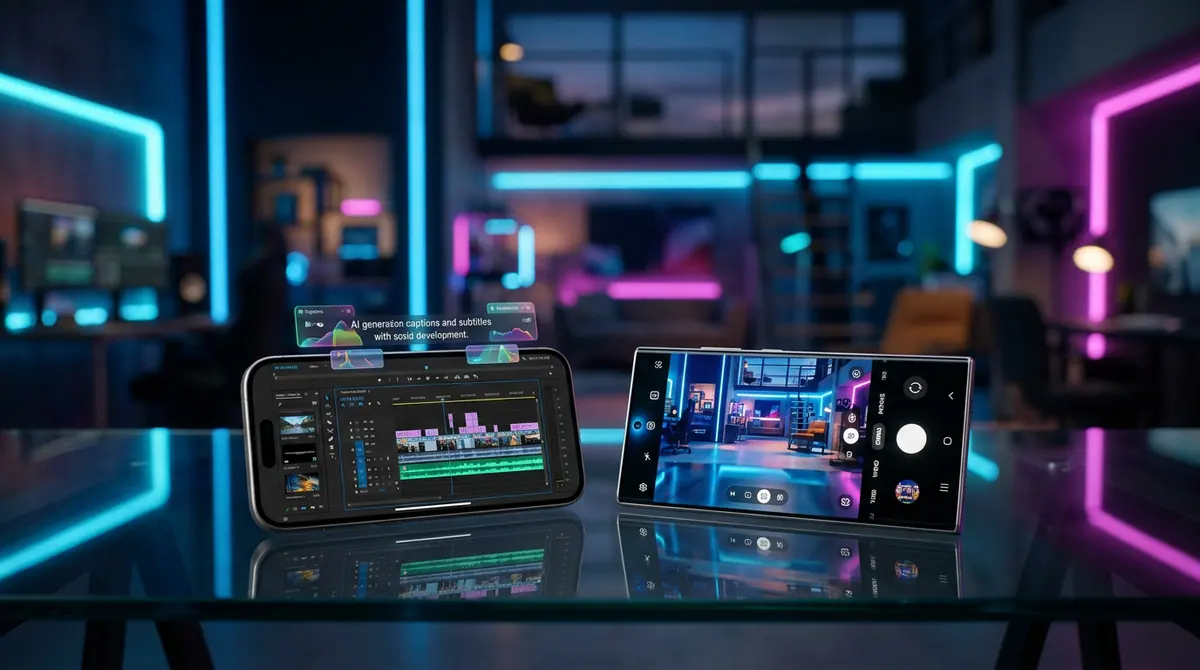
According to an official Apple Newsroom announcement, this new ecosystem is priced at $12.99 per month or $129 annually. While current standalone owners can still use their existing apps, the most coveted new AI features, such as Generate Captions and Edit Detection, are exclusive to the subscription model. It is a strategic move that moves Apple away from the one-time purchase model that made its pro apps legendary, effectively creating a premium "intelligence tier" for creatives.
Breaking Down the Apple Creator Studio Update
The update is not just about pricing; it is about destroying the silos between creative disciplines. As reported by ProNews, the integration between Final Cut Pro and Pixelmator Pro has reached a level of fluidity we have never seen before. Editors can now send individual video frames directly from their timeline into Pixelmator Pro to create custom thumbnails or social graphics, then instantly drop them back into the project. This level of cross-app communication is also extending to the iWork suite, allowing images in Keynote and Pages to be edited directly within the Pixelmator interface.
Final Cut Pro has received the lion's share of the upgrades. A report by Newsshooter details the inclusion of Auto Mask, enhanced Match Color, and Advanced Trimming tools that utilize on-device machine learning to speed up the editing process. For the mobile creator, the Final Cut Camera app on iPhone and iPad now supports Clean HDMI Out and expanded ProRes support, including the more storage-efficient ProRes LT format. As noted by AppleInsider, this update essentially turns the iPhone into a cinema-grade capture device that fits in your pocket.
The Android Response: Samsung and Google Fight Back
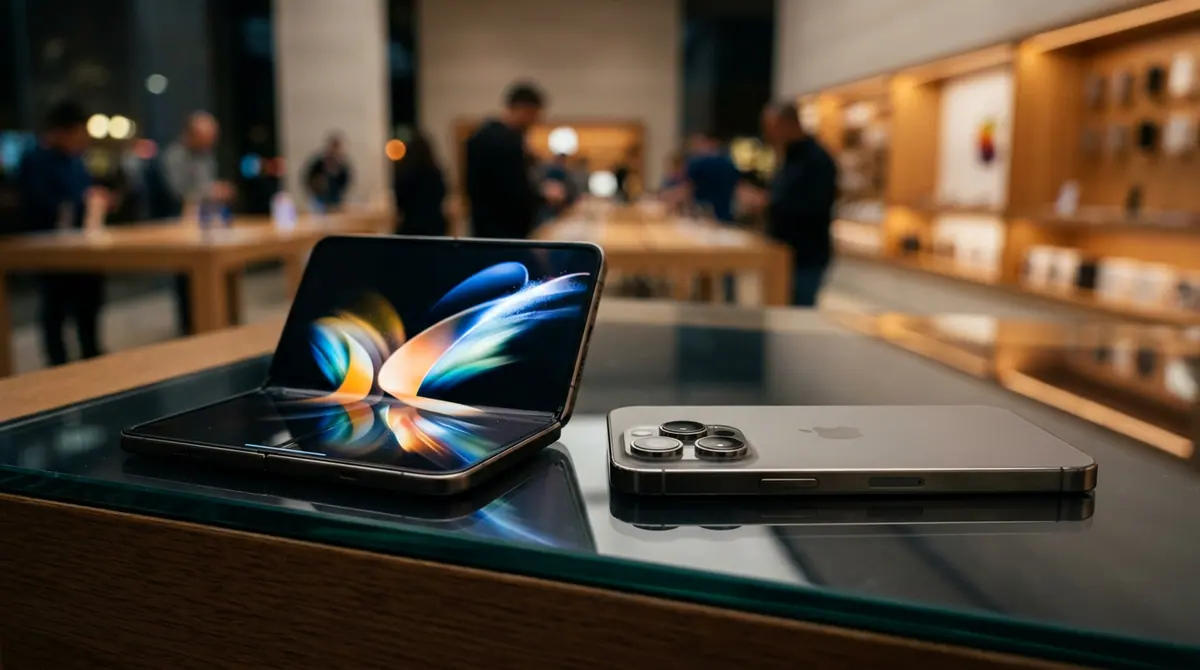
While Apple focuses on the software layer, Samsung is reportedly preparing a hardware shake-up to reclaim its vlogging throne. Industry leaks suggest the upcoming Galaxy S27 Pro and Ultra models will feature a radical redesign of the front-facing camera. Analysts believe Samsung may finally commit to high-resolution under-display camera technology or a massive 60MP+ selfie sensor to rival Apple's improved front-facing video capabilities. This comes as leaked pricing for the Galaxy Z Fold8 and Flip8 indicates that Samsung is keeping its foldable prices high, with the Fold series expected to stay in the $1,800 to $2,000 range.
However, it is not all smooth sailing for the Android ecosystem. Google is currently reeling from a $4.7 billion antitrust fine related to its dominance of the search landscape on mobile devices. This legal battle could force Google to restructure how it licenses Android, potentially opening the door for more competing browsers and search engines to become defaults on Samsung and Pixel devices. On a smaller scale, Google is continuing to refine the user experience with new "Tap to Share" features in Google Contacts, allowing for instant, business-card-style exchanges between Android phones using nearby sharing technology.
What Changed and What is New
The primary shift here is the move from standalone software to a unified Subscription-Gated AI model. Previously, users could buy Final Cut Pro for $299.99 and own it for life. Now, while those purchases remain available, the "living" version of the software, the one that receives the latest AI-driven features like shape generation and board folders in Freeform, is tied to the Apple Creator Studio subscription. We are also seeing a new level of integration where the OS itself (iOS 27 and macOS 27) is being designed to support these cross-app workflows natively.
Why it Matters for You
For the average user, this signifies that the best features on your smartphone are no longer just about the hardware you buy; they are about the services you maintain. If you are a student, Apple is offering a significant olive branch with education pricing at $2.99 per month, making professional-grade tools accessible for the price of a coffee. However, for professionals, it means another recurring line item on the monthly budget. If you are choosing between an iPhone and a Samsung in 2026, the decision now rests on whether you want Apple's integrated creative suite or Samsung's superior raw camera hardware and foldable innovation.
What to Watch Next
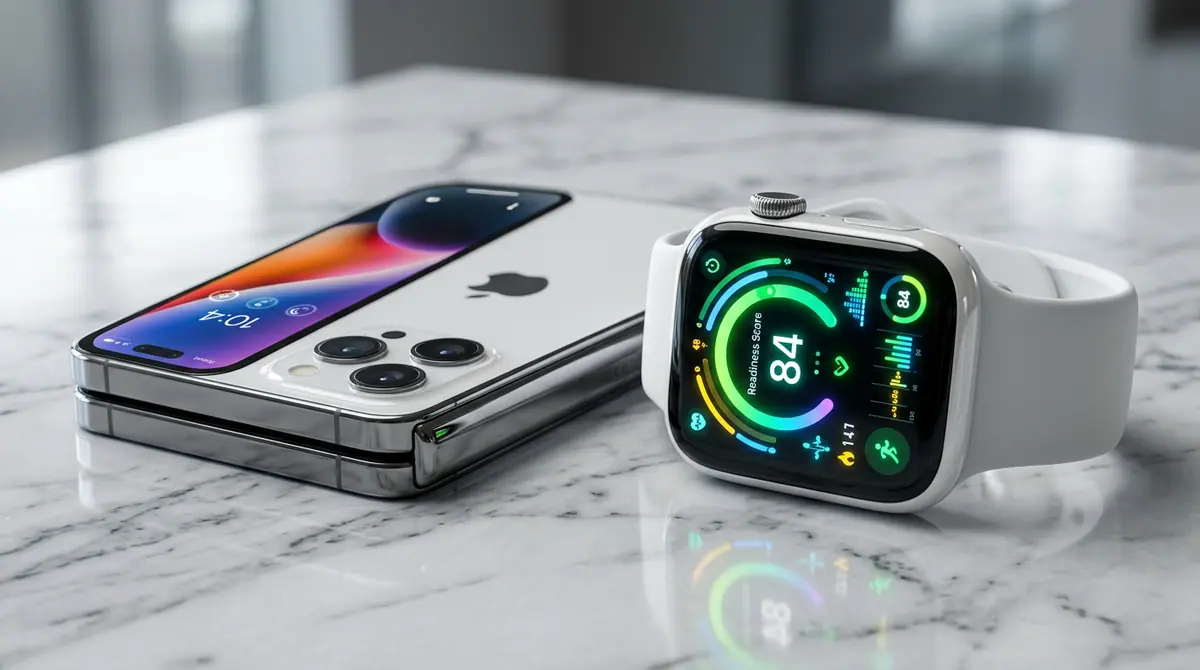
Keep a close eye on the arrival of iOS 27 and macOS 27 this fall. Apple has already teased that Freeform will gain advanced shape generation and Dark Mode support when the new operating systems ship. On the Android side, the next few months will reveal if Google's $4.7 billion fine leads to a more fragmented Android experience or if the company can maintain its ecosystem's cohesion. Finally, the Samsung Watch9 is rumored to include non-invasive glucose monitoring prototypes, which could be the next major health frontier in the wearable rivalry.
The Takeaway
The smartphone rivalry has evolved past simple megapixel counts and screen sizes. In 2026, the battle is being fought in the cloud and through the neural engine. Apple is betting that you will pay for a smarter, more integrated creative life, while Android manufacturers are pushing the limits of hardware and open-access utility. Whether you choose the curated subscription path or the high-spec hardware route, one thing is certain: the professional potential of the device in your pocket has never been higher.
Discussion (0)
Commenting as
No comments yet. Be the first to share your thoughts!
The discussion could not be loaded. Please refresh the page.
Education technology researcher and policy analyst