
The Great Upgrade Push: Why Your Current Tech Just Got an Expiration Date
Apple is slashing device support for millions of users while Samsung plays it safe. Here is why the 2026 mobile landscape is forcing a total rethink of your tech loyalty.
Key takeaways
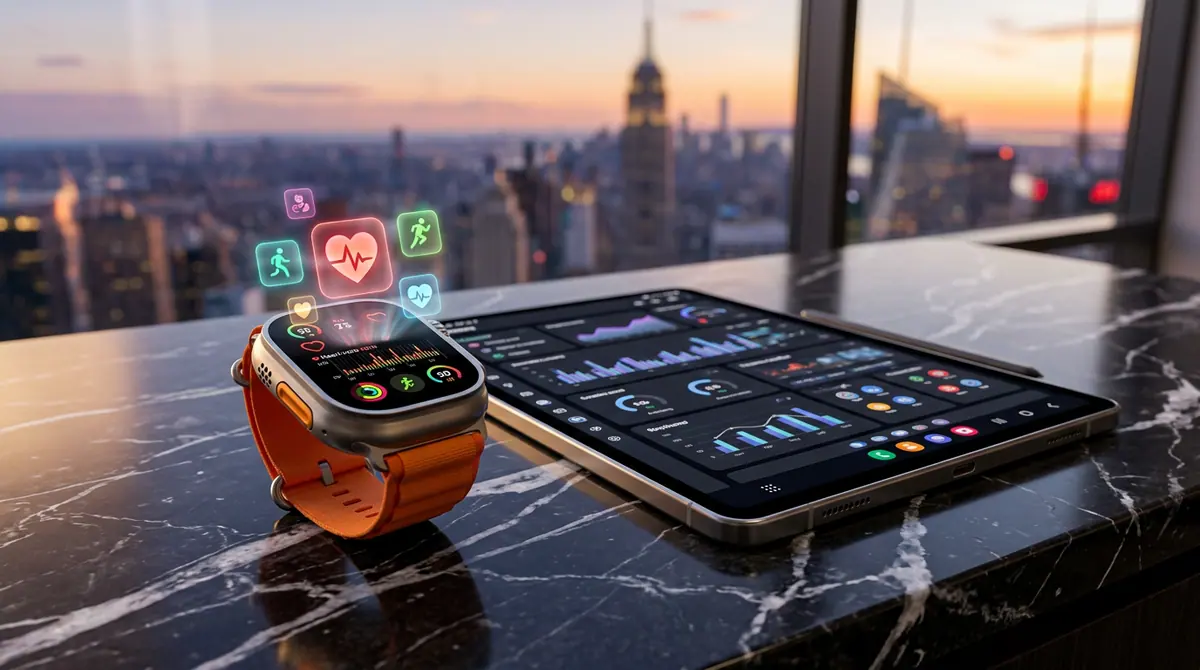
- Apple is ending software support for Apple Watch Series 6, 7, 8, and the original Ultra with watchOS 27.
- The new watchOS 27 focuses on device independence with a standalone Siri app and phone-free Workout Buddy features.
- Samsung's upcoming Galaxy Tab S12 Ultra is facing early criticism for being too iterative compared to previous models.
- Market trends show a divergence: Apple is forcing upgrades through software evolution while Samsung is seeing diminishing returns on hardware refinements.
The Ruthless Reality of Hardware Longevity
Your current Apple Watch might have just become a legacy device overnight. As we move into the heat of the 2026 developer season, the tech world woke up to a reality check this Tuesday that signals a significant shift in how long our gadgets are allowed to stay relevant. While software updates are usually a cause for celebration, the latest watchOS 27 beta cycle has arrived with a sharp edge, cutting off support for a massive swath of devices that many users still consider modern.
According to a detailed report by TechRadar, Apple is narrowing the compatibility list for its wearable operating system more aggressively than in previous years. Owners of the Apple Watch Series 6, 7, and 8, along with the first generation Ultra and SE 2, will find themselves locked out of the new features. This leaves only the Series 9 through 11, the Ultra 2 and 3, and the latest SE 3 in the inner circle. It is a bold move that suggests Apple is prioritizing its new AI-driven architecture over the long-term support cycles that once defined the brand.
Independence Day for the Wrist
Why is Apple making such a deep cut? The answer lies in the functionality being packed into watchOS 27. As noted in a hands-on breakdown by DCRainmaker, the new operating system is designed to transform the Watch from a mere iPhone companion into a truly autonomous health and intelligence hub. The most striking addition is a dedicated Siri app directly on the wrist, which, combined with a new Dynamic app grid, aims to reduce the friction of tiny-screen interactions.
Fitness enthusiasts have even more to look forward to, or perhaps upgrade for. The updated Workout Buddy feature no longer requires a nearby iPhone to function, which aligns with Apple's push for device independence. DCRainmaker also highlighted significant investments in women’s health features, specifically pointing to irregular cycle tracking and expanded logging for perimenopause and menopause symptoms. These are computationally heavy tasks that likely require the improved processing power of newer chips, explaining why older models are being left behind in the dust of progress.
Samsung and the Trap of Iteration
While Apple is being criticized for its aggressive hardware cycles, Samsung is facing the opposite problem: a perceived lack of ambition. The buzz surrounding the upcoming Galaxy Tab S12 Ultra suggests a "rinse and repeat" strategy that is starting to wear thin with power users. According to an analysis by PhoneArena, the flagship tablet line is becoming increasingly iterative. Rather than delivering transformative changes to the display or stylus experience, the rumors point to modest spec bumps in processing and battery tuning.
This creates a fascinating contrast in the industry. Apple is forcing users to upgrade by evolving its software beyond the capabilities of older hardware, while Samsung is struggling to give users a compelling reason to trade in their old tablets for something that looks and feels nearly identical. For the consumer, both paths lead to the same question: at what point does a device become truly obsolete? In the Android ecosystem, the hardware might last for years, but if the software experience fails to excite, the hardware longevity feels like a hollow victory.
Why It Matters: The End of the Companion Era
This shift matters because it changes the smartphone's role in our lives. For a decade, the phone was the sun and the watch was a planet orbiting it. Now, with watchOS 27 pushing Siri and Workout Buddy into the independent spotlight, Apple is preparing us for a future where the iPhone might stay in your bag or at home. If you want that level of autonomy, however, the latest report from TechRadar suggests you will have to pay the entry fee for the latest hardware.
What to Watch Next: The Intelligence Integration
Keep a close eye on Apple Maps as iOS 27 rolls out further into the beta cycle. Reports from 9to5Mac suggest that the navigation stack is getting deeper system intelligence that will likely bridge the gap between your iPhone, Watch, and CarPlay. As Apple refines its location services, we should expect the Watch to play a more proactive role in guiding us through our day without needing us to glance at a phone screen. Meanwhile, on the Samsung side, watch for whether the company responds to the "iterative" critique with a surprise software overhaul for the Tab S12 Ultra that leverages its own mobile AI suite to reclaim the productivity lead.
The Verdict for Users
If you are currently holding a Series 7 or 8 Apple Watch, your device is still excellent, but you are now officially on the countdown to software irrelevance. For those looking at the Android tablet market, the current lack of radical innovation means that last year's Galaxy Tab might actually be the smarter buy. The mobile rivalry has moved beyond who has the best screen; it is now a battle of who can make their ecosystem feel the most indispensable, whether through aggressive evolution or steady refinement.
Sources (5)
Discussion (0)
Commenting as
No comments yet. Be the first to share your thoughts!
The discussion could not be loaded. Please refresh the page.
EdTech specialist and former computer science educator


