The Great Mobile Reset: OnePlus Exits the West as iPhone Air Goes for the Throat
A seismic shift is rocking the smartphone industry as OnePlus retreats from Western markets while Apple aggressively discounts its new iPhone Air to dominate the mid-to-high tier.
Key takeaways
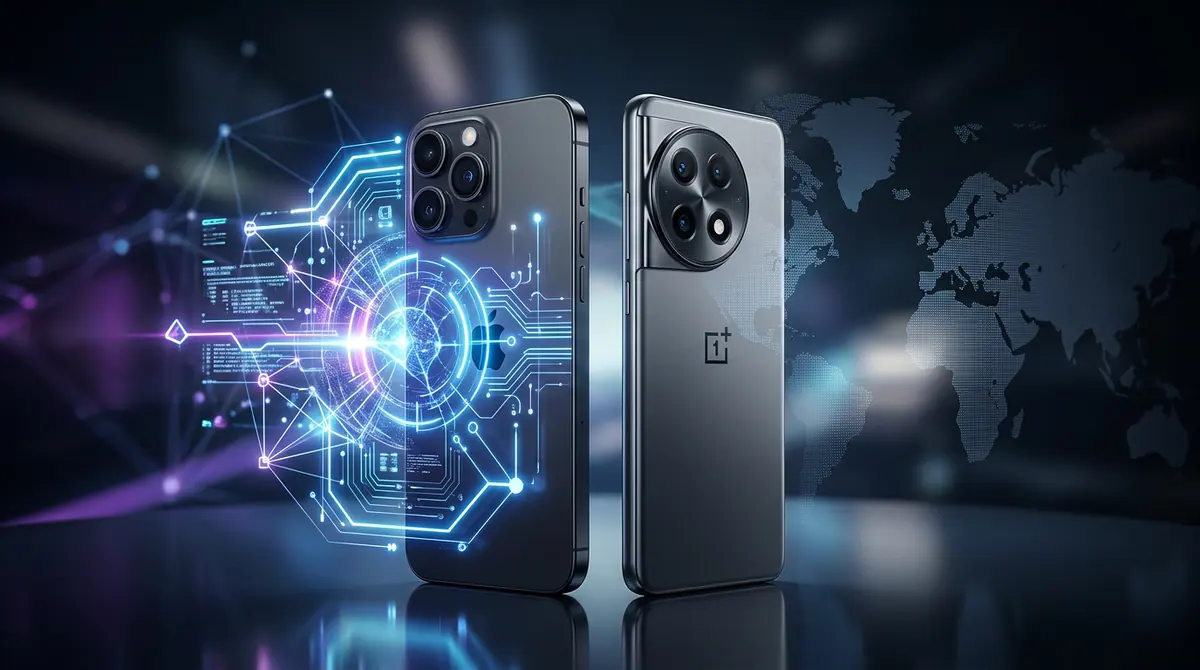
- OnePlus is reportedly exiting the European and North American markets to focus on Asian regions, marking a major shift in the global smartphone landscape.
- Apple is aggressively discounting the new iPhone Air by up to £250, positioning it as a dominant force in the slim-phone category despite some spec trade-offs.
- The AI war continues as Google's Gemini still trails behind ChatGPT in complex reasoning and creative writing, despite deep Android integration.
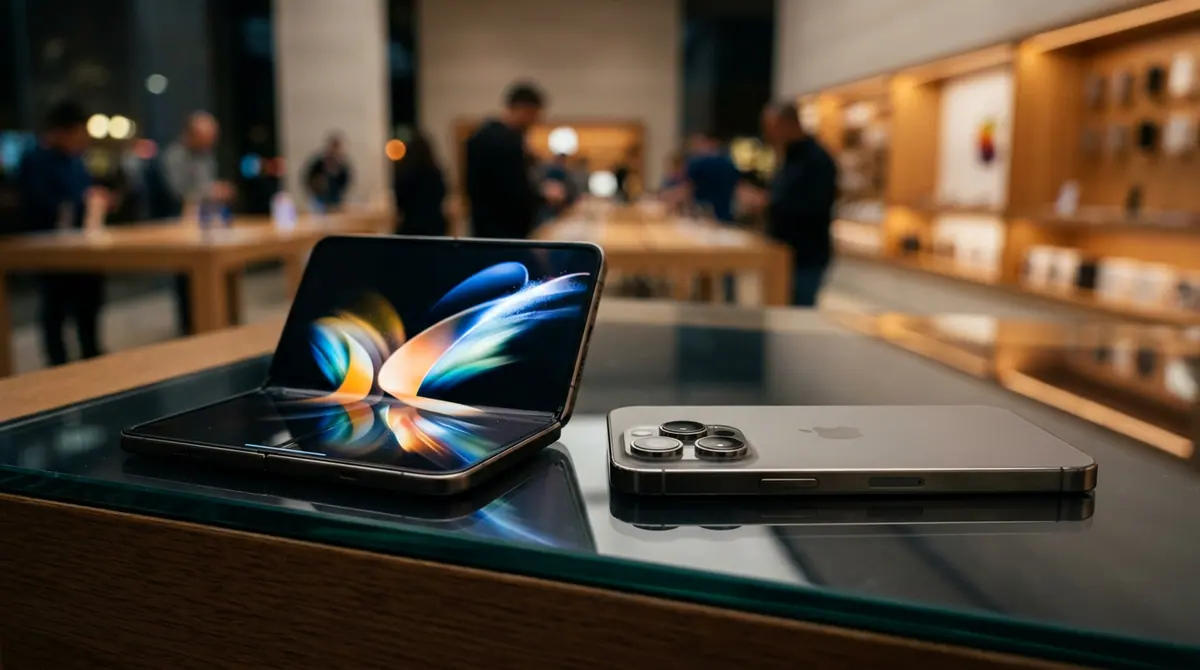
- Consumer preferences are shifting toward larger foldables, with Samsung's Z Fold8 expected to outsell the Z Flip8 for the first time.
The Sudden Retreat of the Flagship Killer
You might want to hold onto your current phone for a little longer, unless you are eyeing the seismic shift currently rocking the foundations of the mobile industry. In a move that has stunned tech enthusiasts from London to Los Angeles, OnePlus is reportedly exiting the European and North American markets. According to a comprehensive report by GSM Arena, this strategic pivot suggests a massive consolidation within the Oppo-owned ecosystem, focusing resources on Asian markets where margins are more sustainable. For a brand that built its reputation on the slogan Never Settle, this feels like a significant settlement with the reality of a saturated Western flagship market.
This exit leaves a massive vacuum in the enthusiast space. Those looking for a final piece of OnePlus history in the West can currently find the OnePlus 15R at a discount of 135 pounds, but once that stock is gone, a major chapter of the Android versus iPhone rivalry will effectively close in these regions. The departure of OnePlus is not just a loss of a brand; it is the loss of a specific philosophy that challenged the Apple-Samsung duopoly for over a decade.
Apple Strikes While the Iron is Thin
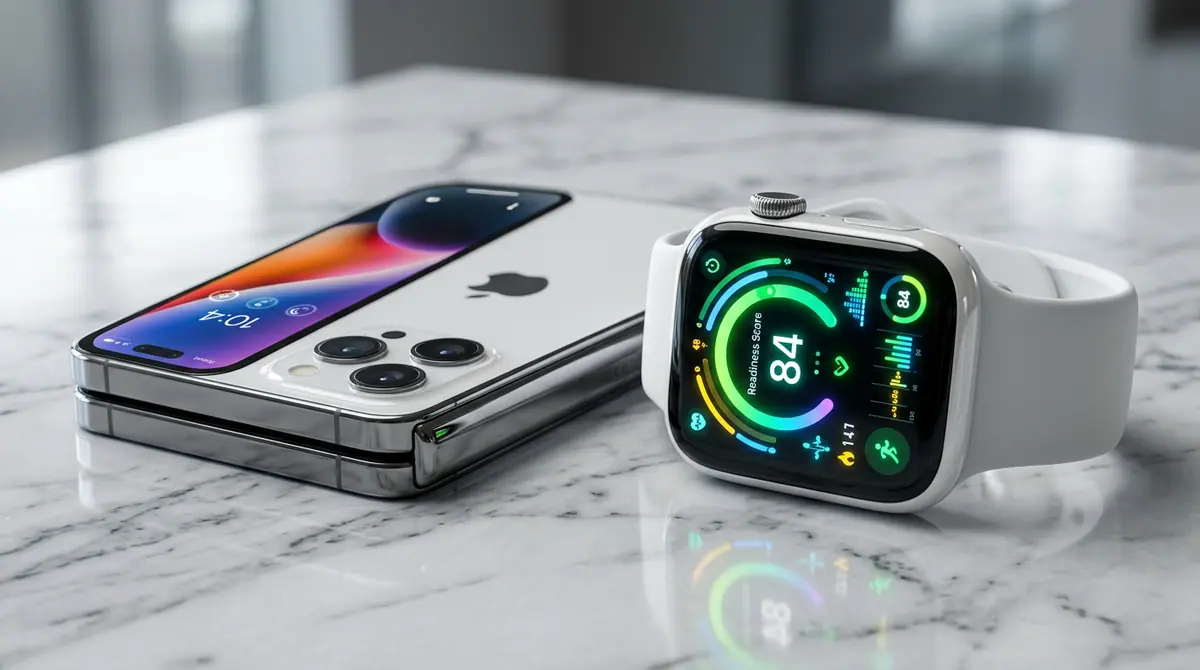
As OnePlus makes its exit, Apple is wasting no time filling the void with an uncharacteristically aggressive pricing strategy for its newest experiment. The iPhone Air, the ultra-slim model designed to replace the standard entry in the iPhone 17 family, is already seeing massive price cuts. Reports from MyMobiles and various retail trackers indicate that the iPhone Air is seeing discounts between 200 and 250 pounds depending on the region. This brings the 19 Bionic-powered device down to a price point that directly threatens the high-end offerings from Nothing and Xiaomi.
However, the iPhone Air is not without its detractors. While its thinness is a marvel of engineering, industry analysts have pointed out that it may sacrifice camera versatility compared to the Pro models, potentially sporting only a single rear lens to maintain its svelte profile. Despite these concerns, the current price drops make it the most compelling entry point into the Apple ecosystem we have seen in years, especially as the company prepares to roll out its next generation of Apple Intelligence features.
Why it Matters: The End of Choice?
The simultaneous retreat of OnePlus and the aggressive discounting from Apple signals a dangerous trend for consumers: the narrowing of choice. When a major player exits a market, the remaining giants have less incentive to innovate on price. OnePlus served as a price-anchor that kept other manufacturers honest. Without that pressure, we may see Samsung and Apple solidify their hold, potentially leading to stagnation in the mid-high tier where OnePlus once thrived. For users, this means the rivalry is no longer about which phone has the best specs for the lowest price, but which ecosystem offers the most indispensable AI tools.
The AI Intelligence Gap: Gemini vs ChatGPT
While the hardware landscape shifts, the software war is becoming even more nuanced. Despite Google integrating Gemini deeply into the Android 17 core, a significant number of power users are still paying for ChatGPT Plus and Claude. A recent analysis of AI assistant capabilities highlights that Gemini still struggles with complex reasoning, long-context document analysis, and reliable creative writing. While Gemini excels at fast, integrated tasks like scheduling or pulling data from Google Workspace, it often lacks the depth required for multi-step planning and precise code generation without hallucinations.
This software disparity creates a strange paradox in the mobile world. You might buy a Google Pixel 10 (which has recently fallen to a more palatable 730 pounds according to retail data) for its hardware-software synergy, but you might still find yourself relying on an OpenAI app for your actual productivity. The best smartphone today is no longer just about the silicon; it is about which AI model provides the most reliable brain for your daily tasks.
What to Watch Next: Android 17 and the AI Interface
Looking ahead, the upcoming launch of Android 17 is rumored to introduce a revolutionary AI-driven interface. According to leaked details, this update aims to replicate the seamless multi-device handoff that has long been a hallmark of the Apple ecosystem. We are expecting to see advanced AI continuity features that allow users to transition tasks between phones, tablets, and PCs with zero friction. If Google can successfully launch this, it could be the first time Android truly matches Apple in terms of ecosystem fluidity.
A Volatile Season for Flagships
It is not just Apple and OnePlus making waves. The Redmi Note 17 series has officially launched, targeting the mid-range market with specs that aim to undercut the Nothing Phone (4a). Meanwhile, Samsung is reportedly seeing a shift in its foldable strategy. Data suggests that the Galaxy Z Fold8 is expected to outsell the Z Flip8 for the first time, indicating that consumers are finally prioritizing the functional, tablet-like utility of larger foldables over the nostalgic compact form factor of the flip phones. Even the massive Galaxy Z Fold7 has seen a 200 pound price cut recently, signaling that the foldable market is reaching a new level of maturity and competition.
For the consumer, the takeaway is clear: the market is in a state of flux. With OnePlus leaving and Apple discounting, the next six months represent a unique window to snag a flagship at a mid-range price. Whether you choose the slim elegance of the iPhone Air or the AI-heavy future of the Pixel 10, the rivalry has never been more intense, even as the number of players on the field begins to dwindle.
Sources (6)
Discussion (0)
Commenting as
No comments yet. Be the first to share your thoughts!
The discussion could not be loaded. Please refresh the page.
Machine learning engineer and technical writer