
The Great Mid-Range Reset: How Apple and Samsung Are Killing the Budget Tier
Premium features are no longer exclusive to $1,000 devices. As Apple and Samsung slash prices on 'Pro-sumer' gear, the line between luxury and affordable has never been thinner.
Key takeaways
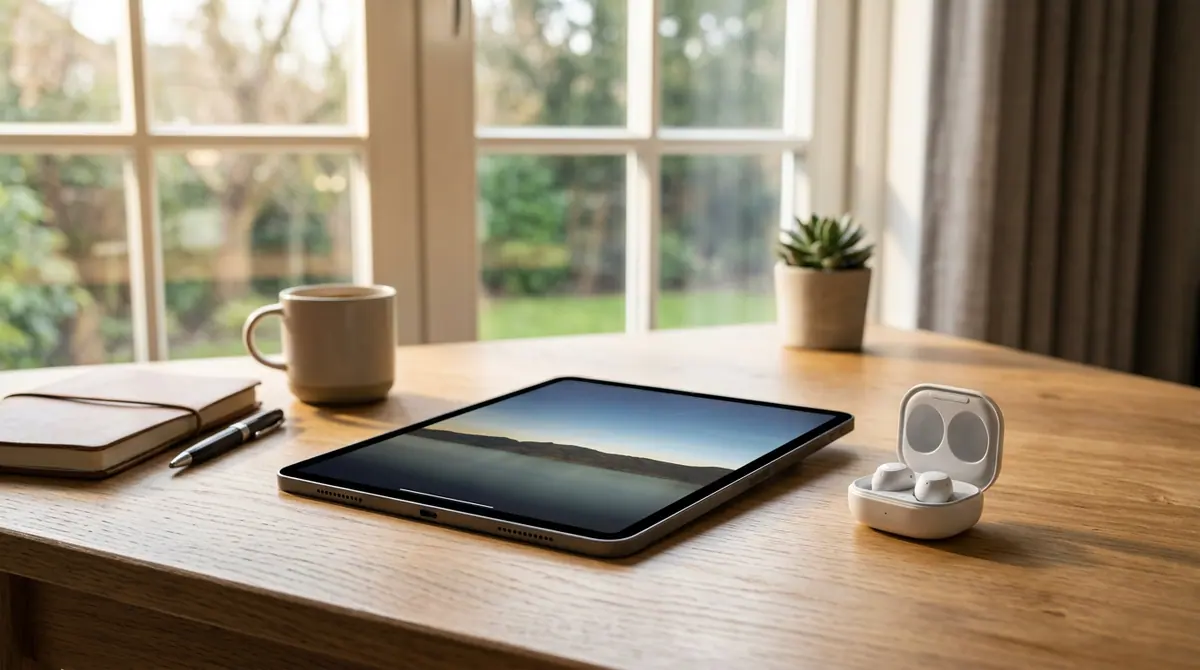
- Apple and Samsung are aggressively discounting 'near-premium' products like the M4 iPad Air and Galaxy Buds3 FE to maintain ecosystem dominance.
- The Samsung Galaxy Buds3 FE brings ANC and AI features to the mid-range but sacrifices wireless charging and multipoint connectivity.
- The 13-inch iPad Air has become the 'rational choice' for consumers, offering flagship screen real estate at a significantly lower price point.
- Platform trust remains a major issue for Android, as evidenced by a recent surge in fake apps and clones on the Google Play Store.
- The Apple Watch is facing a period of slower hardware differentiation, leading to internal turbulence and a shift in focus toward other product categories.
The Era of Compromise is Officially Over
There was a time, not so long ago, when buying a non-flagship device felt like a public admission of defeat. You accepted a dimmer screen, plastic builds, and ancient processors just to save a few hundred dollars. But as we move through 2026, the mobile landscape has undergone a radical transformation. The latest moves from industry titans Apple and Samsung suggest that the 'budget' tier is being replaced by a new category: the affordable premium. Whether it is the sudden price drop of the M4 iPad Air or the aggressive positioning of Samsung’s Galaxy Buds3 FE, the message is clear: the high end is coming for everyone.
Samsung’s FE Strategy: Premium Sound for the Masses
Samsung recently signaled a major shift in its wearables strategy with the introduction of the Galaxy Buds3 FE. According to Samsung’s own launch materials, the goal was to bring iconic design and high-end audio features to a much more accessible price point. Unlike previous budget entries that felt like leftovers, the Buds3 FE includes Active Noise Cancelling (ANC), 360 Audio, and integrated Galaxy AI features. By keeping the design language close to the flagship Buds3 family, Samsung is ensuring that value-conscious buyers do not feel like second-class citizens.
However, the transition to 'almost-premium' is not without its hurdles. In an independent review published by SoundGuys, experts praised the balanced sound and the significant fit improvements but noted that some premium staples were left on the cutting room floor. Specifically, the Buds3 FE lacks wireless charging and multipoint connectivity, which remain reserved for the higher-end models. A separate analysis by Scarbir was even more critical, suggesting that while the ANC is respectable, the value proposition weakens if the price fluctuates too high. This tension highlights the delicate balancing act manufacturers must perform: giving users enough to stay in the ecosystem without cannibalizing sales of the $300 flagships.
The iPad Air 13: The New Rational Choice
Apple is playing a similar game of chess with its tablet lineup. The 13-inch iPad Air equipped with the M4 chip has recently hit record-low pricing, effectively turning a premium productivity tool into a mainstream impulse buy. For years, the Air line was the awkward middle child of the Apple family. Now, it has become the most rational choice for the vast majority of users. By offering the massive 13-inch screen size previously exclusive to the Pro models, Apple is catering to users who want the canvas size of a laptop without the ProMotion or OLED price premium.
This aggressive discounting strategy is not just about moving units (it is a defensive maneuver). As Android manufacturers like Oppo push the envelope with devices like the Oppo Pad 6, which features a massive 10,420 mAh battery and a powerful Dimensity 9500s chip, Apple must ensure its entry-level 'pro' gear remains enticing. The rivalry is no longer just about who has the fastest chip, but who can offer the most screen and battery life for under $700.
Why It Matters: The Golden Handcuffs
Why are these companies suddenly so generous? The answer lies in ecosystem lock-in. Samsung’s Buds3 FE are significantly more valuable when used within the Galaxy stack, taking full advantage of the company's proprietary AI features. Similarly, an iPad Air buyer is likely to stay within the iMessage and iCloud orbit for another five years. By making premium-tier hardware affordable, these companies are essentially subsidizing the entry fee into their walled gardens.
There is, however, a dark side to this platform dominance. As ecosystems grow, so do the risks. Recent reports have highlighted a wave of fake apps and clones on the Google Play Store, where scammers exploit popular search terms to bait users into downloading malware or subscription traps. This serves as a stark reminder that while Android offers hardware variety that Apple cannot match, the 'open' nature of the platform requires a higher level of user vigilance. According to reporting on app-store abuse, even automated checks struggle to keep up with the speed of deceptive listings.
What to Watch Next
As we look toward the end of 2026, keep an eye on the Apple Watch. There is growing internal turbulence and analysis suggesting the product line may feel 'abandoned' compared to the rapid innovation seen in iPads and iPhones. If Apple slows down hardware differentiation for its wearables, it may open the door for Samsung or even Google to seize the premium health-tracking market. For now, the winner is the consumer: we are finally getting the 'Pro' experience without the 'Pro' price tag. The next time you look at a flagship phone and wonder if it is worth $1,200, the answer might increasingly be a resounding no.
Sources (5)
Discussion (0)
Commenting as
No comments yet. Be the first to share your thoughts!
The discussion could not be loaded. Please refresh the page.
Consumer tech reporter and gadget enthusiast


