The Foldable Revolution: Samsung Z Fold8 Battles the Looming iPhone Ultra
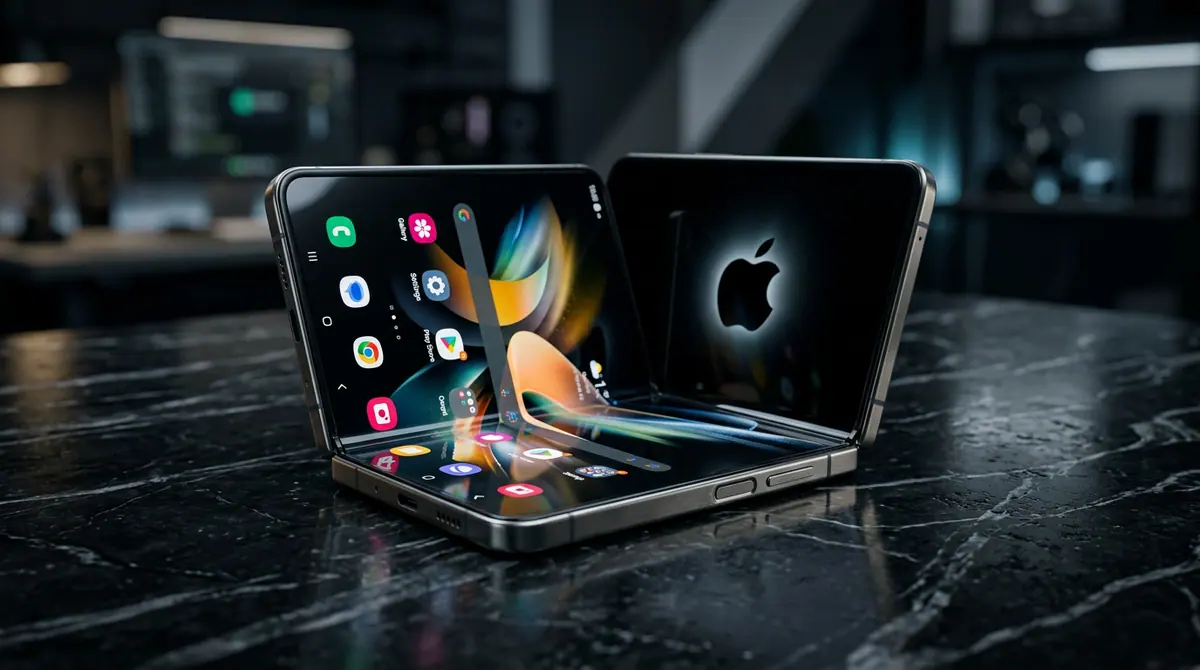
As Samsung unveils its radical Galaxy Z Fold8 redesign, Apple looms in the shadows with an 'iPhone Ultra' that could seize 25 percent of the market overnight.
Key takeaways
- Samsung is radically changing the Galaxy Z Fold8 aspect ratio to a wider 16:10 external screen to improve one-handed usability.
- The Galaxy Z Fold8 will likely feature a Snapdragon 8 Elite Gen 5 chip, a 5,000 mAh battery, and a titanium-reinforced hinge.
- Analysts predict Apple's rumored 2026 foldable 'iPhone Ultra' could immediately capture 25% of the market share.
- Apple is expected to launch a new 'Apple Upgrade' program to help users transition into expensive foldable hardware more easily.
The Great Redesign of 2026
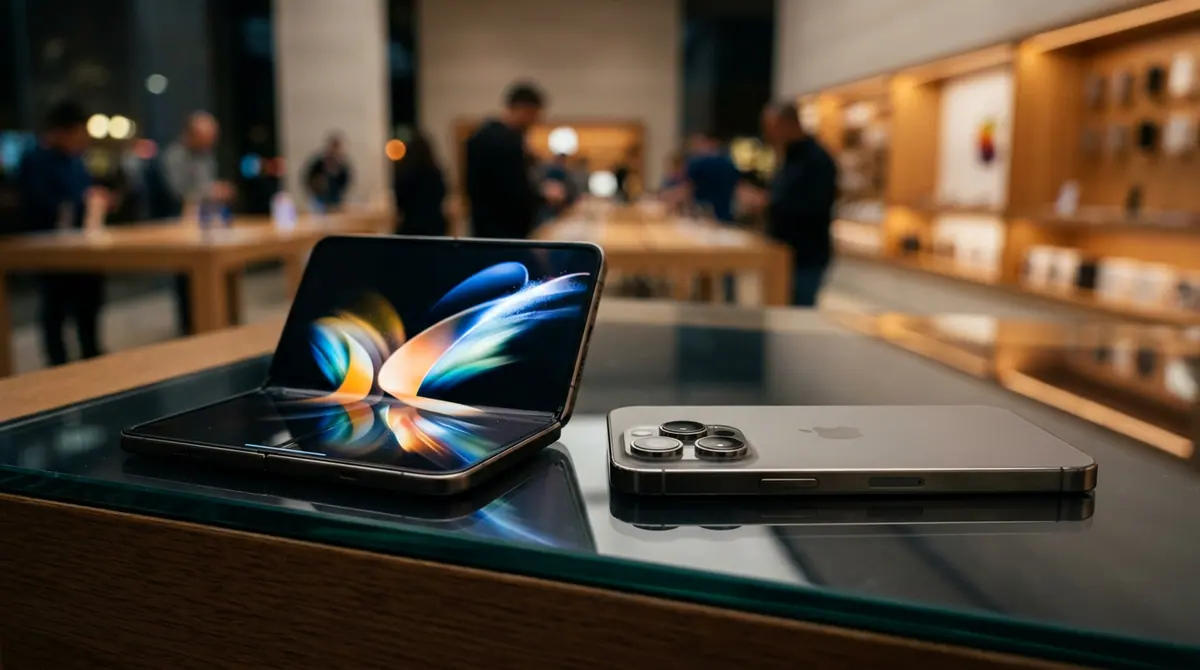
By the time you finish reading this, the smartphone in your pocket might already feel like a relic of a bygone era. For years, the foldable market was Samsung's personal playground, but 2026 is the year the sandbox gets crowded. The rivalry between the iPhone and Android ecosystems is reaching a fever pitch as both tech giants prepare to redefine what a premium phone actually looks like. The centerpiece of this shift is the Samsung Galaxy Z Fold8, a device that appears to be the most significant hardware pivot the company has attempted in half a decade.
According to a hands on report by Android Central, Samsung is finally moving away from the tall, narrow form factor that has defined the Fold line since its inception. The new Galaxy Z Fold8 is expected to feature a much wider, more tablet-like aspect ratio. Specifically, industry insiders at T3 describe a new 16:10 external screen on the base model, while the inner display remains a generous 7.6 inches. This change is not just about aesthetics; it is about making the device feel like a normal phone when closed, which addresses one of the most persistent complaints from long-term foldable users.
The Raw Power Behind the Glass
Under the hood, the Fold8 is reportedly a technical powerhouse. Researchers at Smartprix and Expert Reviews have published findings showing that the device will likely utilize the Snapdragon 8 Elite Gen 5 for Galaxy, a chip designed to handle the heavy multitasking loads inherent to a foldable workflow. To keep that power running, Samsung is packing in a 5,000 mAh battery and introducing faster 45W wired charging. For those who demand even more, rumors suggest a Fold8 Ultra or Wide variant could be in the works, potentially featuring a 200MP main sensor to finally bring foldable photography up to the level of the S-series flagships.
Context: The Rise of the Book-Style Foldable
For newcomers to the scene, foldables have traditionally been divided into two categories: the Flip (which folds like a compact mirror) and the Fold (which opens like a book). Samsung has dominated both, but competitors like Google and OnePlus have recently gained ground by offering wider external screens. Samsung's shift with the Fold8 is a direct response to this competition, signaling that the era of experimental 'tall' phones is officially over in favor of a more traditional, usable design.
The Apple Shadow: An iPhone Ultra Foldable?
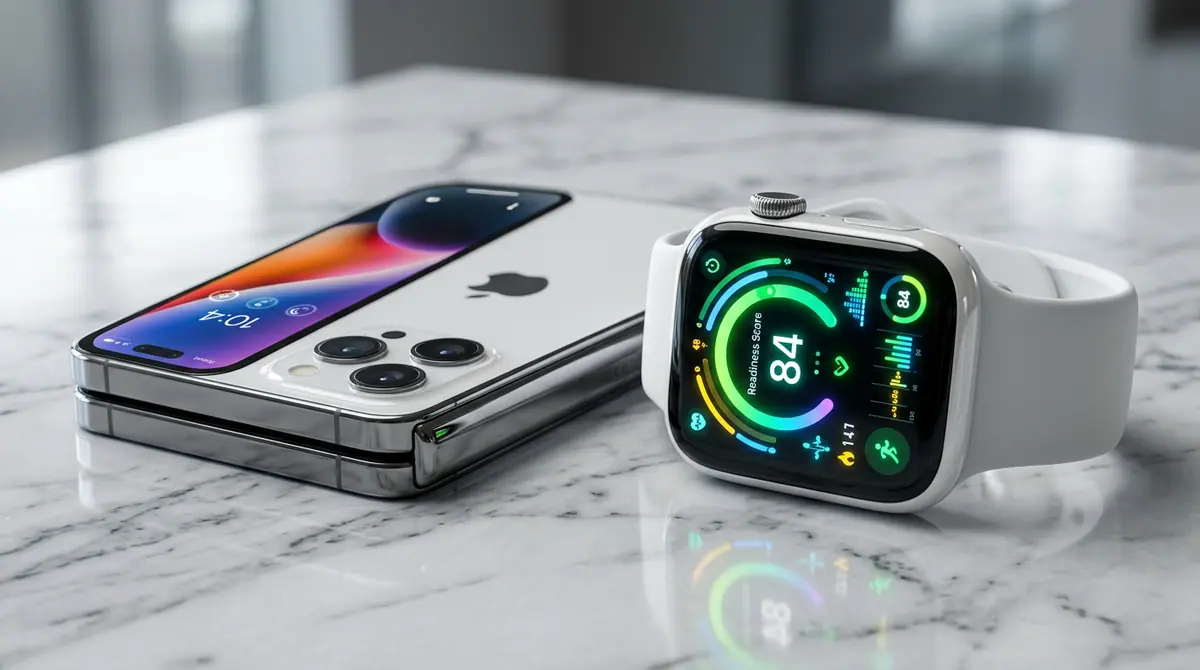
While Samsung is refining its eighth generation, Apple is reportedly preparing to enter the ring with a knockout blow. A stunning new report suggests that an iPhone Ultra foldable is set to account for 25 percent of all foldable smartphone shipments in 2026. This is a staggering forecast considering Apple has yet to officially ship a single folding device. However, as we have seen with the transition to 5G and the introduction of the Apple Silicon Macs, the Cupertino giant often waits for a technology to mature before entering a category and immediately dominating it.
The strategic implication is clear: Apple is not looking to experiment; it is looking to reshape the premium segment. To facilitate this, Apple is also rumored to be preparing a new Apple Upgrade program. As reported by 9to5Mac, this initiative would streamline how customers move into newer hardware, potentially turning the iPhone purchase into a subscription-like service that guarantees users the latest foldable tech every year.
What Changed and Why It Matters
The delta from the previous year is massive. In 2025, foldables were still seen by many as niche productivity tools for the tech-elite. In 2026, the transition to wider aspect ratios and more durable materials, like the titanium-reinforced hinge mentioned in the Smartprix report, has made these devices viable replacements for the standard slab smartphone. Why does this matter for you? It means the 'one device' future is here. You can finally have a phone that fits comfortably in one hand for texting, but opens into a high-powered workstation for gaming or editing on the go.
What to Watch Next
As we look toward the holiday season, keep a close eye on the supply chain reports regarding the iPhone Ultra. If Apple can indeed capture a quarter of the market in its first year, it will force Samsung to accelerate its innovation even further. We should also watch for developments in hinge technology; while Samsung is making strides, the 'crease' remains the final frontier for foldable perfection. Whether you are an Android loyalist or an iPhone devotee, the next twelve months will be the most exciting period in mobile history since the launch of the original iPhone.
The era of the boring rectangle is ending. Whether you choose the refined, eighth-generation mastery of the Galaxy Z Fold8 or wait for the anticipated disruption of the iPhone Ultra, one thing is certain: your next phone will likely do things you never thought possible.
Sources (5)
Discussion (0)
Commenting as
No comments yet. Be the first to share your thoughts!
The discussion could not be loaded. Please refresh the page.
Open source advocate and full-stack developer