
The End of iPhone’s Camera Supremacy? How Vivo and Sony are Rewriting the Rules
Apple used to own the mobile photography crown, but a new wave of Android powerhouses like the vivo X300 Ultra and Sony Xperia 1 VIII are technically outclassing the iPhone in every major metric.
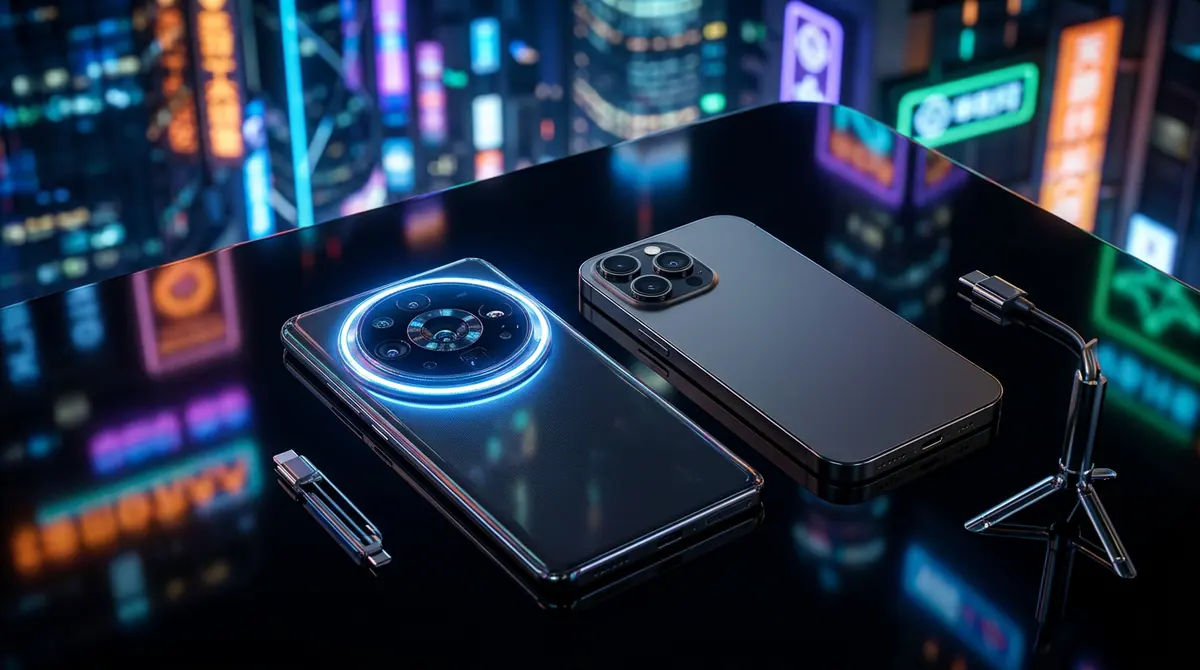
Key takeaways
- The vivo X300 Ultra has surpassed the iPhone 16 Pro Max in DxOMark photography scores, hitting 158 vs 154.
- Sony's upcoming Xperia 1 VIII is rumored to feature an 8K display and triple 50MP cameras but may lose the microSD slot.
- Samsung is aggressively discounting the Galaxy Tab S11 by $150 to combat slower sales and competition from the iPad Air M3.
- Analyst Ming-Chi Kuo has debunked rumors of Apple sabotaging Qualcomm modems, confirming the iPhone 17 will stick with Qualcomm for now.
The Shifting Throne of Mobile Photography
When a smartphone camera scores higher than the iPhone 16 Pro Max on the world's most trusted imaging benchmark, it is time to stop calling Apple the undisputed king of mobile photography. This week, the mobile industry witnessed a tectonic shift as vivo officially launched its X300 Ultra, a device that does not just challenge the status quo; it obliterates it. According to a report by GSMArena published on March 31, 2026, this new flagship features a massive 1 inch Sony LYT-900 main sensor and a staggering 5,800mAh battery, signaling that the gap between professional cameras and smartphones has never been narrower.
The technical specifications are only half the story. Android Authority reported on April 1, 2026, that early DxOMark previews have already awarded the vivo X300 Ultra a score of 158. To put that in perspective, the iPhone 16 Pro Max currently sits at a 154. This lead in low light photography and zoom clarity is a wake up call for Cupertino. While Apple has long relied on its software processing and ecosystem cohesion, Android manufacturers are now doubling down on raw, uncompromising hardware that caters to the enthusiast who refuses to compromise on image quality.
Sony’s Professional Gamble
While vivo is capturing the spotlight in China and preparing for a European launch in the second quarter of 2026, Sony is preparing its own high stakes play. Leaks regarding the upcoming Xperia 1 VIII suggest the Japanese tech giant is moving toward an 8K display and a triple 50MP camera array tuned by its world renowned Alpha camera engineers. These developments, documented by GSMArena and NotebookCheck, highlight a different philosophy: targeting the pro user who wants a smartphone to act as a secondary cinema camera.
However, this push for technical perfection comes with a cost. Sony’s decision to reportedly drop the microSD slot has already sparked a massive backlash on social media, with Reddit threads on the r/SonyXperia community reaching over 5,000 upvotes from disgruntled fans. It is a risky move for a company that Counterpoint Research notes sold fewer than 500,000 units of its predecessor globally in the first quarter of 2026. This highlights the central tension in the Android world: hardware innovation is skyrocketing, but brand loyalty and usability remain the hurdles to overcome.
The iPhone 17 Counter-Attack and Modem Wars
Apple, of course, is not standing still, though its current battles are happening behind the scenes in the supply chain. Rumors of Apple sabotaging its own modem suppliers to favor its in-house chips have been making the rounds, but elite analyst Ming-Chi Kuo dismissed these claims as speculative nonsense in a recent post on Medium. According to Kuo, the upcoming iPhone 17 will continue to use Qualcomm X85 modems because they offer superior yields, not because of a internal conspiracy. This is a crucial distinction for users: while Android brands focus on the lens, Apple is focusing on the internal infrastructure to ensure that when you finally take that photo, you can upload it faster than anyone else.
Context: The Flagship Divide
For newcomers to this rivalry, the choice between iPhone and Android used to be about simplicity versus customization. In 2026, the lines have blurred. Android devices like the vivo X300 Ultra now offer battery charging speeds of 120W (wired) and 80W (wireless), making Apple’s charging speeds look archaic. Conversely, Apple continues to lead in resale value and third party app optimization, creating a situation where users must choose between the most powerful hardware and the most reliable long term investment.
What is New and Why It Matters
The most significant change in the current landscape is the aggressive pricing and inventory management we are seeing from industry leaders. Samsung recently slashed prices on the entire Galaxy Tab S11 series by $150, as reported by PhoneArena on April 2. This move, which drops the base model to $799, is a direct response to the iPad Air M3 and cheaper competitors like the OnePlus Pad 2 Pro. For consumers, this is a golden era. We are seeing flagship performance being discounted just months after launch because the competition is so fierce.
Why does this matter to you? It means the premium you pay for a brand name is being challenged by pure performance. If you are a photographer, the vivo X300 Ultra offers a sensor that Apple likely won't match for another two generations. If you are a student or professional looking for a tablet, Samsung’s inventory buildup is your opportunity to snag high end OLED displays at mid range prices. The rivalry is no longer just about software; it is a battle of who can provide the most value before the next cycle begins.
What to Watch Next
As we move into the second half of 2026, watch for the official unveiling of the Sony Xperia 1 VIII in May, as suggested by leaker Evan Blass. This event will likely confirm whether the partnership between Sony and Zeiss is truly ending, which could shift the aesthetic of Sony’s imaging forever. Furthermore, as Apple moves closer to its goal of 100 percent in-house modems by 2028, according to Counterpoint Research, we should expect more volatility in the modem market, potentially leading to even more aggressive connectivity features in the iPhone 18. The camera wars are far from over, but for the first time in years, the iPhone is the one playing catch up.
Sources (4)
Discussion (0)
Commenting as
No comments yet. Be the first to share your thoughts!
The discussion could not be loaded. Please refresh the page.
Cloud computing specialist and tech trend forecaster


