
The 7,000mAh Revolution: How Xiaomi is Redefining the 2026 Smartphone Rivalry
Xiaomi’s new 17T series is shattering battery expectations while Apple focuses on community culture at WWDC. Here is what the latest mobile shifts mean for your next upgrade.
Key takeaways
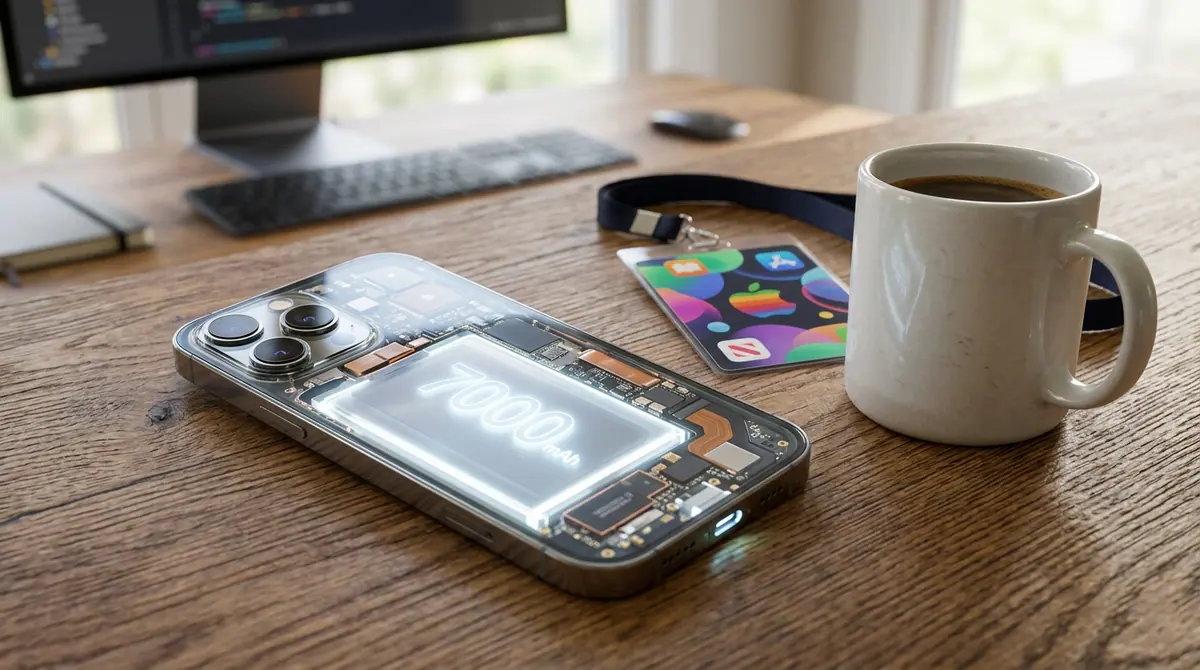
- Xiaomi is leading a 2026 battery revolution with 7,000mAh silicon-carbon cells in its 17T Pro model.
- Apple is focusing on brand culture and community through WWDC 2026 while navigating rumors of a CEO transition.
- Google continues to face user pushback as it consolidates Android messaging under the Google Messages/RCS umbrella.
- The 17 Ultra is pushing mobile photography boundaries with 1-inch sensors and 200MP telephoto lenses.
The End of Battery Anxiety
The days of worrying about your smartphone dying before dinner are officially over, but you might have to look beyond Silicon Valley to find the solution. While American giants have spent years incrementally nudging battery capacities upward, the 2026 mobile landscape is being rocked by a massive leap in power density. According to a review by PetaPixel, the new Xiaomi 17T Pro has debuted with a staggering 7,000mAh silicon-carbon battery, a capacity that was unthinkable for a slim flagship-lite device just two years ago.
What Changed: The Silicon-Carbon Leap
For decades, the lithium-ion battery was the gold standard, yet it hit a physical ceiling. The shift we are seeing in 2026 is the mainstream adoption of silicon-carbon technology. This allows manufacturers to pack significantly more energy into the same physical footprint. As PetaPixel reported, this tech allows the Xiaomi 17T Pro to support 100W wired and 50W wireless charging, while even the standard 17T model carries a robust 6,500mAh cell. This is not just a minor upgrade; it is a fundamental shift in how we use our devices. When a phone can easily last two full days of heavy use, the entire ecosystem must adapt or risk appearing obsolete.
Why It Matters: The Power Gap
This development widens the gap between the high-spec Android market and the more conservative Apple ecosystem. While Apple focuses on optimization and efficiency, the raw hardware advantages of the 2026 Android flagships are becoming difficult to ignore. Beyond battery life, the imaging hardware is also reaching new heights. TechRadar recently noted in a hands-on review that the Xiaomi 17 Ultra features a 1-inch main sensor and a 200MP telephoto lens, utilizing LOFIC HDR technology to manage highlights in ways traditional mobile sensors simply cannot. For the consumer, this means the choice between iPhone and Android is no longer about which software you prefer, but whether you want a reliable tool or a specialized professional power-house.
Context: The DNA of the Rivalry
The smartphone rivalry has historically been a battle of philosophies. Apple prioritizes the tight integration of hardware and software, often waiting for technologies to mature before implementation. Conversely, brands like Xiaomi and Samsung often act as the industry's laboratory, pushing the boundaries of what is physically possible with hardware specs. In 2026, this divide is sharper than ever, as Android OEMs lean into massive physical components while Apple focuses on the user experience and cultural stickiness of its ecosystem.
The Apple Approach: Culture and Transition
Apple is not sitting still, though its focus remains on the developer experience and community loyalty. According to a report by 9to5Mac, Apple is embracing its internal culture by featuring the fan-favorite Lil Finder Guy mascot on official WWDC 2026 swag. While this might seem like a small detail, it signals a company that is leaning into its brand identity during a period of potential leadership change. Speculation regarding Tim Cook’s future has reached a fever pitch. A report from PhoneArena suggests that Cook may have only months left as CEO, and he is reportedly spending this final stretch prioritizing succession planning, AI integration, and operational stability. Whether or not an immediate exit is imminent, the focus is clearly on ensuring that the post-Cook era is as disciplined as the one that preceded it.
The Battle for Messaging
The rivalry is also playing out in the apps we use every day. Google has continued its aggressive push to make Google Messages the mandatory standard for Android users. This move is designed to unify the platform under the RCS (Rich Communication Services) banner, effectively creating a competitor to iMessage that works across different Android manufacturers. However, this transition has not been without friction. As noted by PhoneArena, many users are drawing a hard line against being forced into a single messaging workflow, citing concerns over privacy and the loss of choice that has traditionally defined the Android experience.
What to Watch Next
Looking forward, the next twelve months will be defined by whether Apple and Samsung feel pressured to match the massive battery capacities seen in the Xiaomi 17T series. If 7,000mAh becomes the expected standard for consumers, the internal architecture of every flagship phone will need to be redesigned. Furthermore, keep a close eye on Apple’s leadership announcements. If Tim Cook does indeed prepare to step down, the transition will be the most significant event in the mobile industry since the passing of Steve Jobs. We are entering an era where hardware limits are being shattered, and the leadership that guided us here is handing over the keys to a new generation.
Takeaway
The 2026 smartphone market is no longer a game of inches; it is a game of miles. Between the 7,000mAh battery revolution in the Android world and the cultural and leadership shifts at Apple, the device in your pocket is about to become more powerful, and the company that made it is about to change forever. Choose your ecosystem wisely, because the gap between these two worlds has never been wider.
Sources (6)
Discussion (0)
Commenting as
No comments yet. Be the first to share your thoughts!
The discussion could not be loaded. Please refresh the page.
EdTech specialist and former computer science educator


