
Style vs. Survival: The Foldable Dilemma and the Future of Android
Motorola’s Razr Ultra 2026 is a masterpiece of design, but in a world of seven-year update promises from Samsung and Google, can hardware beauty alone win the smartphone war?
Key takeaways
- Motorola Razr Ultra 2026 excels in hardware with a 5,000mAh silicon-carbon battery but lags in software support with only 3 years of OS updates.
- Google is democratizing AI by bringing Gemini to entry-level Android Go devices, targeting emerging markets and low-cost hardware.
- The mobile industry is seeing a 'longevity gap' where some manufacturers offer 7 years of support while others stick to shorter cycles, impacting long-term value.
- Samsung is refreshing its Health app to build momentum for the Galaxy Watch 9, signaling a deeper integration of AI into wearable health metrics.
- Google is intentionally avoiding making AI Mode the default in Chrome search to prevent user and regulator backlash, favoring an opt-in approach.
The Great Divide in the Palm of Your Hand
Imagine spending thirteen hundred dollars on a piece of technology that feels like the future today, only to realize it might be a relic in just three years. This is the paradox facing the mobile industry as we enter the summer of 2026. While the hardware engineering of foldable devices has reached a level of polish we once only dreamed of, a new war is being fought over something invisible: software longevity. The rivalry between the iPhone and the Android ecosystem has always been a clash of philosophies, but today, that battle is splintering the Android world itself into two distinct camps: those who build for the moment and those who build for the decade.
The Razr Ultra 2026: A Hardware Marvel with a Timer
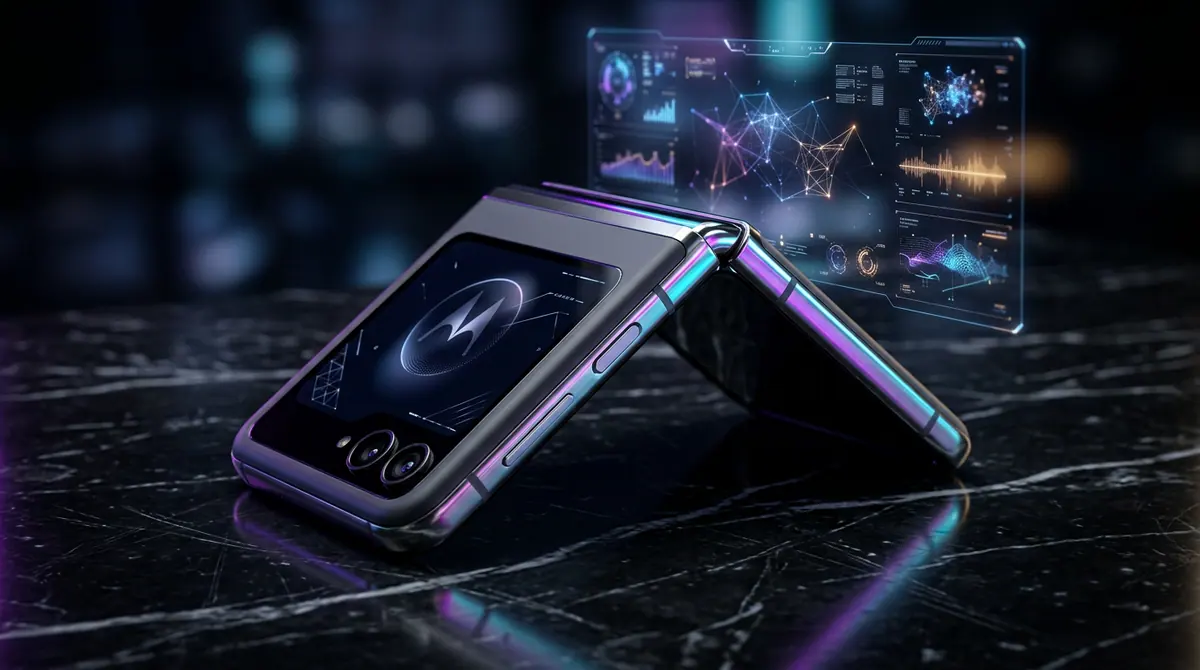
Motorola has officially thrown down the gauntlet with the Razr Ultra 2026. According to a comprehensive review by the team at Android Faithful, the device features what many are calling a killer feature: a massive 5,000mAh silicon-carbon battery packed into a slim, clamshell frame. This is a significant engineering feat, as foldable phones have historically struggled with battery life due to their complex hinges and dual-screen power demands. PhoneArena reports that the device also boasts an upgraded 50MP main camera sensor and displays that are brighter than ever before, positioning it as a premium lifestyle powerhouse.
However, the polish of the hardware hides what some critics are calling a fatal flaw. While giants like Samsung and Google have moved toward a standard of seven years of operating system updates, Motorola is sticking to a much shorter window. Research from Android Central highlights that the Razr Ultra 2026 only offers three years of OS updates and four years of security patches. For a device priced at the top of the market, this creates a difficult choice for consumers. Do you buy the most beautiful phone available now, or do you buy the one that will still be receiving new features in 2032? This tension between headline hardware and platform longevity is becoming the defining narrative of the high-end mobile market.
Context Box: The Flip Phone Renaissance
The clamshell foldable, often called the flip phone, has transitioned from a nostalgic gimmick to a legitimate flagship category. Unlike the larger book-style foldables that aim to replace tablets, flip phones are designed for portability and style. Apple has notoriously stayed out of this category so far, leaving Motorola and Samsung to battle for the hearts of users who want a compact device that doesn't compromise on screen size when opened. This absence has allowed Android manufacturers to experiment wildly with external displays and battery chemistry, leading to the diverse market we see today.
The AI Democratization: Gemini for Everyone
While Motorola focuses on the premium tier, Google is making a strategic play at the opposite end of the spectrum. In a move that could shift the balance of power in emerging markets, Google has announced it is bringing its Gemini AI to Android Go devices. As reported by GSMArena and PhoneArena, this expansion is significant because Android Go is specifically designed for low-cost hardware with limited memory and storage. By optimizing Gemini for these constrained environments, Google is ensuring that its AI assistant becomes a universal standard rather than a luxury for the wealthy.
This move is a direct response to the increasing pressure from Apple’s integrated ecosystem. While Apple focuses on high-margin hardware, Google’s goal is to keep its services, specifically Gemini and Search, as the primary interface for as many humans as possible. It is a game of scale. If Google can make AI an essential part of a fifty-dollar smartphone, they create an entry-point into their ecosystem that is nearly impossible for competitors to match.
What Changed: The 2026 Shift
In the last twelve months, the industry has moved away from the race for more megapixels and toward a focus on material science and artificial intelligence. The transition to silicon-carbon battery technology in the Razr Ultra 2026 represents a major shift in how we power our devices, allowing for higher density without increasing physical size. Simultaneously, the software experience is being bifurcated. We are seeing a move away from aggressive AI defaults; for instance, Google recently denied plans to make AI Mode the default for Chrome search, according to reporting from Android Authority. This suggests a more cautious approach to how AI is integrated into our daily workflows, favoring user choice over forced adoption.
Why It Matters: The Longevity Gap
For the average user, these developments mean that the purchase decision is no longer just about the camera or the screen. It is about the expected lifespan of the investment. When you compare a Motorola foldable to a Samsung Galaxy or a Google Pixel, you are choosing between a superior physical design and a superior software future. In a world where smartphones are becoming more expensive, the value proposition of a phone that lasts seven years versus one that lasts three is impossible to ignore. This longevity gap is likely to become the primary reason users switch between brands or even between operating systems in the coming years.
What to Watch Next
Keep your eyes on the upcoming launch of the Samsung Galaxy Watch 9. Recent software updates to Samsung Health, noted by GSMArena, suggest that the company is preparing a major push into AI-assisted health coaching and advanced sensor-driven metrics. We are also seeing significant movement in the secondary market; 9to5Mac has highlighted a surge in deals for the AirPods Pro 3 and Apple Watch models, indicating that Apple may be clearing inventory for a major hardware refresh later this year. The rivalry is only heating up, and whether you prefer the sleek curves of a Razr or the long-term reliability of a Pixel, the winners are the consumers who now have more choices than ever before.
Conclusion: A Matter of Priorities
The smartphone market in 2026 is a study in contrasts. We have the technical brilliance of Motorola’s hardware competing against the software-first philosophies of Samsung and Google. My advice? If you upgrade your phone every two years and value aesthetics above all else, the new foldables are an engineering dream. But if you are a student or a professional looking for a device to carry you through the end of the decade, prioritize the update cycle. In the end, a phone is only as good as the software it can run.
Sources (6)
Discussion (0)
Commenting as
No comments yet. Be the first to share your thoughts!
The discussion could not be loaded. Please refresh the page.
Education technology researcher and policy analyst


