Samsung’s Precision Strike: The Galaxy Watch 7 Classic Hits Record Low Prices
Samsung just slashed prices on its most iconic wearable. Here is how the Galaxy Watch 7 Classic is shaking up the rivalry with Apple in 2026.
Key takeaways
- The Samsung Galaxy Watch 7 Classic has hit a record low price of $335 on Amazon, down from $499.
- The physical rotating bezel remains Samsung's key hardware differentiator against the Apple Watch.
- Apple is countering hardware discounts with software depth, focusing on AI-driven updates in iOS 18 and 19.
- The wearable market in 2026 is shifting toward high-end health features at mid-range price points.
The Price War Moves to Your Wrist
Imagine walking into a tech boutique and finding a premium, stainless steel timepiece for the price of a mid-range fitness tracker. According to a report by PhoneArena, that is exactly what is happening right now as Amazon slashes the price of the Samsung Galaxy Watch 7 Classic by roughly 33 percent. This price drop brings the flagship wearable down to a staggering 335 dollars, a significant cut from its 499 dollar launch price. This is not just a clearance sale; it is a tactical maneuver in the ongoing war for your wrist real estate.
The Return of the Bezel and the Android Edge
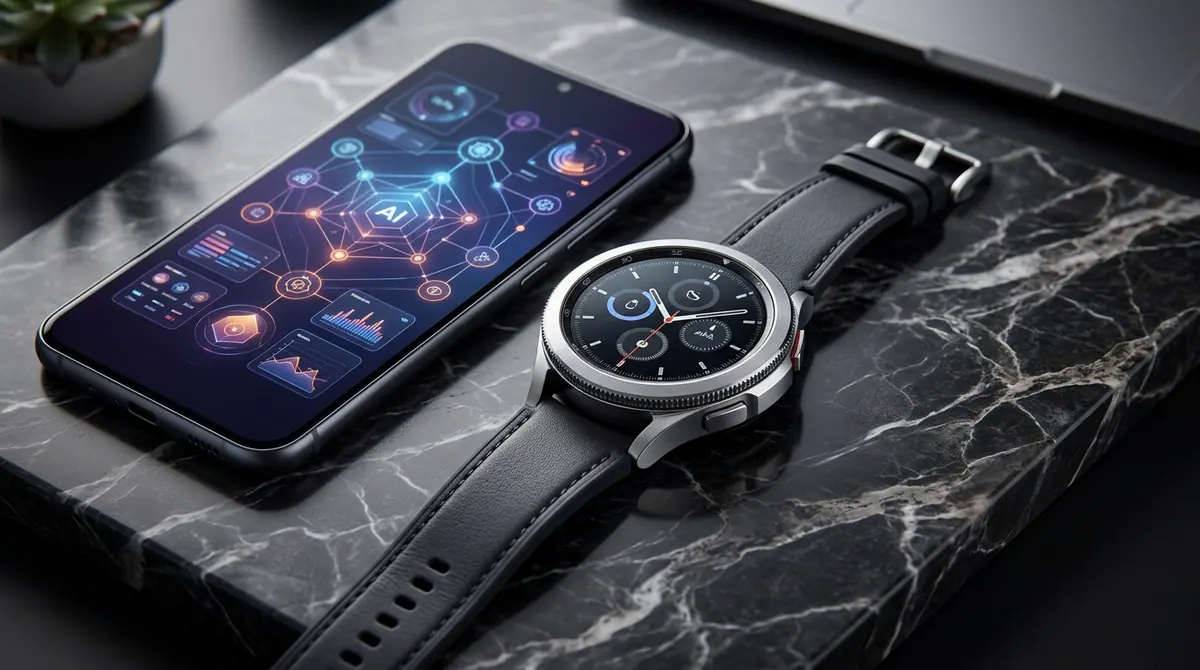
The Galaxy Watch 7 Classic remains a favorite among tech enthusiasts for one primary reason: the physical rotating bezel. While Apple has doubled down on the Digital Crown and touch-based gestures, Samsung has leaned into the tactile satisfaction of a clicking, rotating ring to navigate menus. As noted by Android Central, this feature distinguishes the Classic line from the more minimalist aluminum models. It offers a level of precision that sweat-slicked fingers or winter gloves cannot match on a standard glass screen.
Under the hood, the Watch 7 Classic is powered by Wear OS 6, providing a seamless ecosystem experience for Android users. It features the latest BioActive sensor, which monitors heart rate, blood oxygen, sleep quality, and stress levels with medical-grade accuracy. This is the direct rival to the Apple Watch Series and Ultra lines, and at the current 335 dollar price point, Samsung is making a compelling case for iPhone users to consider the grass on the other side of the fence.
How Apple is Responding with iOS 19
Apple is not sitting idly by as Samsung dominates the mid-year discount cycle. According to reports from 9to5Mac, Apple is currently refining the latest features of iOS 18 and preparing for the next leap with iOS 19. The focus has shifted heavily toward Apple Intelligence, particularly within the Apple Mail app. New updates have introduced smarter search capabilities, scheduled sends, and AI-powered email summaries that can distill a long thread into a single paragraph. While Samsung wins on hardware tactile feel, Apple is betting the house on software intelligence to keep users locked into the iPhone ecosystem.
What Changed: The Shift to Practical Premium
In previous years, premium smartwatches were often gated behind a 500 dollar paywall, keeping them out of reach for the average consumer. What has changed in mid-2026 is the rapid devaluation of high-end hardware in favor of long-term software subscriptions and ecosystem loyalty. Samsung is willing to lose margin on the Galaxy Watch 7 Classic hardware to ensure you stay within the Galaxy ecosystem, potentially pairing it with a mid-range leader like the Galaxy A56, which GSMArena recently highlighted as the new benchmark for budget-conscious buyers.
Why It Matters: The Democratization of Health Tech
This price shift matters because it makes high-end health monitoring accessible to a broader audience. When flagship devices like the Watch 7 Classic drop to the 300 dollar range, they compete directly with basic trackers that lack advanced sensors for heart health or sleep apnea detection. It forces the entire industry, including Apple, to reconsider their pricing tiers. For students and young professionals, this represents the best entry point into a high-performance wearable without the 800 dollar price tag of an Ultra-tier device.
The AI Factor: Claude and the Future of Mobile
The rivalry is no longer just about hardware and operating systems; it is about the AI models living inside them. TechCrunch recently covered the latest advancements from Anthropic, noting that Claude 4 has become a central pillar for productivity on mobile devices. Whether you are using an iPhone or a Samsung, the ability of these AI models to integrate with your calendar, health data, and communications is the new frontier. The export control discussions of 2025 have largely settled, allowing these powerful models to run more efficiently on mobile chips, further blurring the line between your phone and a personal assistant.
What to Watch Next
Keep an eye on the fall hardware cycle. As Samsung clears out inventory of the Watch 7 Classic, rumors are already swirling about the next generation of BioActive sensors. Furthermore, expect Apple to lean even harder into Liquid Retina display tech and potentially a redesign of the Apple Watch interface to combat the popularity of Samsung’s rotating bezel. The 335 dollar price point is a signal that the market is reaching a saturation point, and the only way to win is to offer premium luxury at a populist price.
The Final Verdict
The smartphone rivalry has evolved into an ecosystem battle where the watch is the most personal touchpoint. If you are an Android user, or someone looking for a reason to switch, the current Galaxy Watch 7 Classic deal is a rare opportunity to own the gold standard of wearable hardware for a fraction of the cost. Apple still holds the crown for software integration and AI search, but at this moment, Samsung owns the value proposition. The choice depends on what you value more: the smartest software or the most satisfying hardware.
Discussion (0)
Commenting as
No comments yet. Be the first to share your thoughts!
The discussion could not be loaded. Please refresh the page.
AI researcher turned science communicator