
iPhone vs. Android: Can the Walls REALLY Come Down?
Apple and Google are FINALLY playing nice! But a nasty new spyware is targeting BOTH platforms. What does this mean for the future of the smartphone wars?
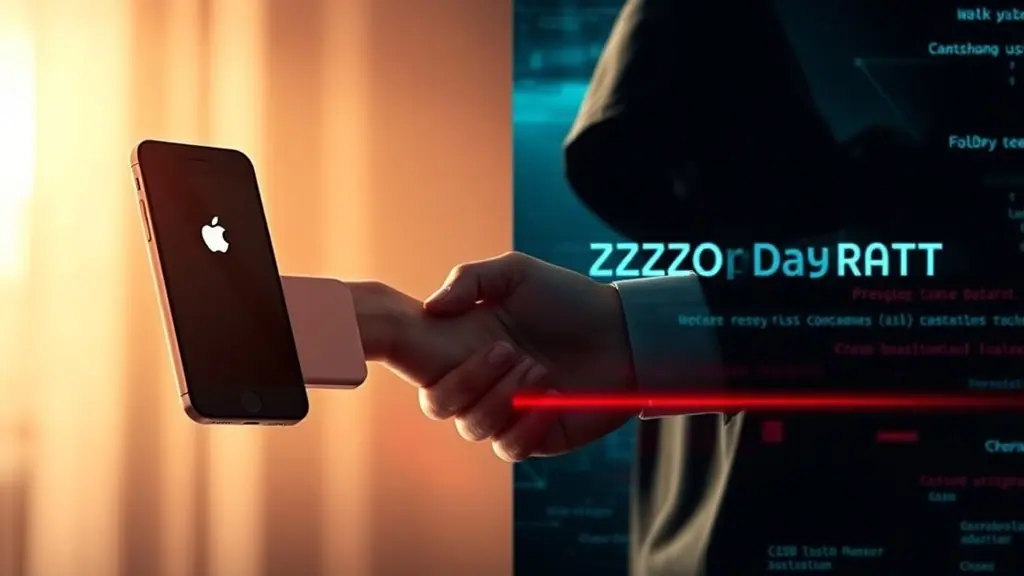
iPhone vs. Android: Are We Finally Entering an Era of Peace? (Sort Of)
For years, the iPhone vs. Android debate has raged on, fueled by fanboyism and walled-garden ecosystems. But hold on, are we seeing the first cracks in those walls? Recent developments suggest that Apple and Google are, begrudgingly perhaps, starting to play a little nicer. But before you declare the end of the smartphone wars, a stark reminder: security threats are evolving, targeting both platforms with equal ferocity.
Cross-Platform Harmony: RCS Encryption and AirDrop for All?
Remember when Apple staunchly refused to adopt RCS messaging? They cited the lack of end-to-end encryption. Well, things are changing. Apple is now testing end-to-end encryption for RCS on iPhones with the iOS 26.4 beta. While it's not available for Android devices during this testing phase, it signals a willingness to embrace a more universal messaging standard.
What does this mean for you? Smoother, richer messaging experiences when communicating with Android users. No more green bubbles! (Okay, maybe not entirely, but it's a start.)
And the collaboration doesn't stop there. Google is expanding AirDrop interoperability to its upcoming Pixel 9 devices. Yes, you read that right: Pixel 9, Pixel 9 Pro, Pixel 9 Pro XL, and Pixel 9 Pro Fold can now seamlessly transfer files to iPhones, iPads, and Macs using AirDrop. This uses peer-to-peer connections that need no internet.
AirDrop Caveats
Before you ditch your cloud storage services, there are a few things to keep in mind:
- Both iPhone and Android users will need to adjust their visibility settings.
- Apple users will need to enable the "Everyone for 10 Minutes" mode to receive files from Android devices.
Still, this is a significant step toward cross-platform functionality. The days of emailing yourself files to transfer between your iPhone and Android tablet might soon be over.
ZeroDayRAT: A Sobering Reminder of Universal Threats
Just as we start to celebrate cross-platform harmony, a chilling reminder emerges: security threats don't discriminate. A new cross-platform spyware called ZeroDayRAT is actively targeting both Android and iOS devices.
This isn't some theoretical threat. ZeroDayRAT is a readily available toolkit that grants attackers access to a frightening array of personal data, including:
- Personal communications
- Location data
- Banking activity
- Modules for cryptocurrency theft
- Modules for banking fraud targeting Apple Pay and Google Pay
The spyware is being marketed through Telegram channels and works across a wide range of devices, from Android 5 all the way up to Android 16, and iOS versions up to 26.
Important Note: ZeroDayRAT relies on user interaction rather than zero-day exploits. This means you can protect yourself by being cautious about the links you click and the apps you install. If something seems suspicious, it probably is!
The Future of the Smartphone Wars: Coexistence or Catastrophe?
These recent developments paint a complex picture. On one hand, we're seeing increased interoperability between iPhone and Android, making our digital lives a little bit easier. On the other hand, we face a growing threat landscape where sophisticated spyware like ZeroDayRAT can compromise devices regardless of the operating system.
So, what does this mean for you? Here's some practical advice:
- Stay vigilant about security. Be wary of suspicious links and app installations.
- Update your devices regularly. Security updates are crucial for patching vulnerabilities.
- Change your passwords for Apple, Google, and Microsoft accounts immediately. Federal cybersecurity authorities are urging this due to increasing account-takeover threats.
The iPhone vs. Android rivalry will likely continue, but these recent developments suggest that coexistence is becoming increasingly necessary. The question is: can Apple and Google truly embrace interoperability while simultaneously protecting their users from evolving security threats? The answer remains to be seen, but one thing is clear: the smartphone landscape is constantly changing, and staying informed is more critical than ever.
Discussion (0)
Commenting as
No comments yet. Be the first to share your thoughts!
The discussion could not be loaded. Please refresh the page.
Cybersecurity and privacy journalist


