
iPhone Surrenders? iOS 26.3's Shocking Android Data Transfer!
Apple just made it easier than ever to switch from iPhone to Android. Is this a sign of the times, or a strategic play under EU pressure? Find out how iOS 26.3 changes the game.
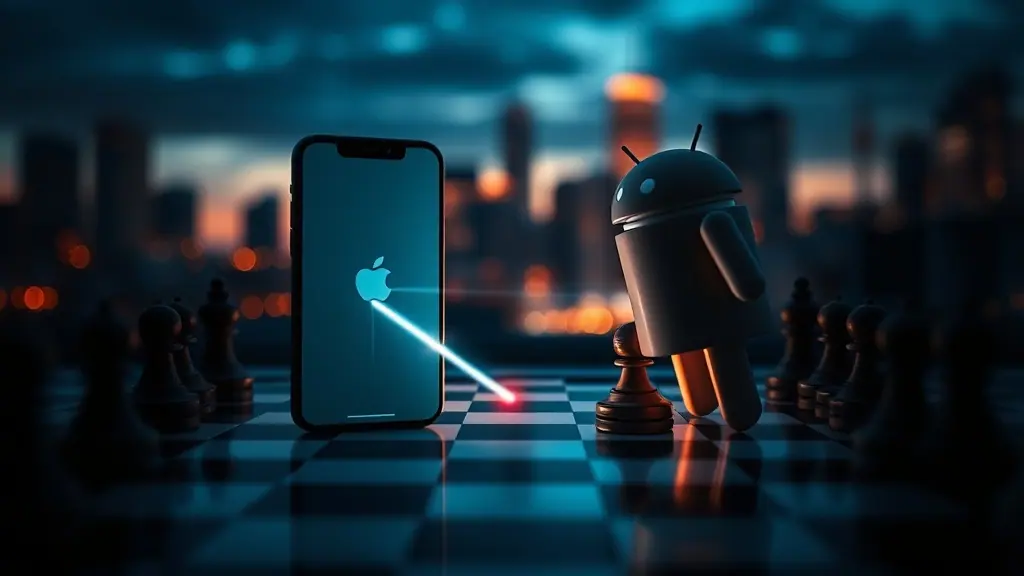
Has Apple Finally Opened the Door to Android? iOS 26.3's Game-Changing Update
In a move that’s sent shockwaves through the mobile world, Apple's latest iOS 26.3 update is making it surprisingly easy to jump ship to Android. Driven by increasing EU regulations, this update introduces a seamless data transfer option, allowing iPhone users to migrate their precious data, photos, passwords, messages, even eSIM phone numbers, directly to Android devices via Wi-Fi.
For years, one of Apple's greatest strengths has been its walled garden approach. Once you're in the Apple ecosystem, it’s notoriously difficult to leave. But with iOS 26.3, those walls are crumbling. Is this the end of the iPhone lock-in? Let's dive into what this means for you.
The Great Escape: What iOS 26.3 Lets You Transfer
- Photos and Videos: No more tedious cloud uploads and downloads.
- Passwords: Seamlessly access your online accounts on your new Android.
- Messages and Notes: Keep your conversations and vital info intact.
- Apps: Get recommendations for similar apps on Android.
- Contacts: Your entire address book, ready to go.
- eSIM Phone Numbers: No more carrier hassles.
Beyond Data Transfers: Apple's Ecosystem Expansion
The iOS 26.3 update isn't just about Android interoperability. It also includes features that broaden Apple's compatibility with third-party devices. Imagine pairing your favorite non-AirPods earbuds with your iPhone as easily as AirPods. Or receiving iPhone notifications directly on your preferred non-Apple smartwatch.
This move signals a significant shift in Apple’s strategy. Historically, Apple has tightly controlled its ecosystem, prioritizing its own products and services. Now, it seems, the company is acknowledging the need to play nicer with others.
Why Now? The EU's Influence
The driving force behind this change is undoubtedly the increasing regulatory pressure from the European Union. The EU has been cracking down on tech giants that engage in anti-competitive practices, and Apple's walled garden has been a prime target. By making it easier for users to switch to Android, Apple is likely hoping to appease regulators and avoid potential fines.
Android's Response: February 2026 Google System Updates
Google isn't sitting still. The February 2026 Google System Updates bring a host of improvements to Android, including enhanced Wallet functionality (more passport support), streamlined device setup, and new tools for developers to enhance connectivity, security, and privacy.
While Apple focuses on breaking down its walls, Google continues to build a richer, more versatile ecosystem. From PCs to XR devices, Android is becoming increasingly integrated into every aspect of our digital lives.
The Future of the Mobile Rivalry
The iPhone vs. Android rivalry is as fierce as ever, but the dynamics are changing. Apple is being forced to open up its ecosystem, while Android is pushing the boundaries of innovation with features like AI-powered apps and foldable devices.
According to recent leaks, Samsung's Galaxy S26 series will launch soon, featuring camera upgrades and AI enhancements. Meanwhile, rumors are swirling about Apple's iPhone 18 Pro, which is expected to maintain its pricing despite rising memory costs and introduce 5G satellite connectivity. And don't forget the foldables; Android has been leading the charge but the iPhone Fold is rumored for later this year.
What This Means For You
For consumers, this is a win-win situation. The increased interoperability between iOS and Android gives you more freedom to choose the device that best suits your needs, without being locked into a particular ecosystem. Whether you're considering making the switch from iPhone to Android, or simply want to enjoy the benefits of a more open and connected mobile world, the future looks bright.
The takeaway: The mobile landscape is evolving rapidly. Apple's decision to embrace Android interoperability marks a significant shift, and the rivalry between the two platforms will continue to drive innovation and benefit consumers. So, are you ready to jump ship? Or are you content to stay within the Apple ecosystem? The choice is now easier than ever before.
Discussion (0)
Commenting as
No comments yet. Be the first to share your thoughts!
The discussion could not be loaded. Please refresh the page.
Education technology researcher and policy analyst


