
iPhone Caves: Apple's Bold Move to Embrace Android Switchers
Apple just dropped a bombshell: a native 'Transfer to Android' feature. Is this the end of the iPhone's walled garden, or a smart play for market share? We break down the seismic shift in the smartphone wars.
The iPhone vs. Android War Just Took a Turn: Apple's New Truce?
For years, the battle lines have been drawn. iPhone versus Android. Ecosystem versus open source. But this week, something unexpected happened. Apple, the king of the walled garden, just opened a gate. With the release of iOS 26.3, Apple introduced a native 'Transfer to Android' feature, signaling a possible shift in the long-standing rivalry.
Think about that for a moment. Apple, notorious for its ecosystem lock-in, is now making it easier for users to jump ship to Android. Has hell frozen over? Well, not quite. But this is a significant move that could reshape the smartphone landscape.
'Transfer to Android': What It Means for You
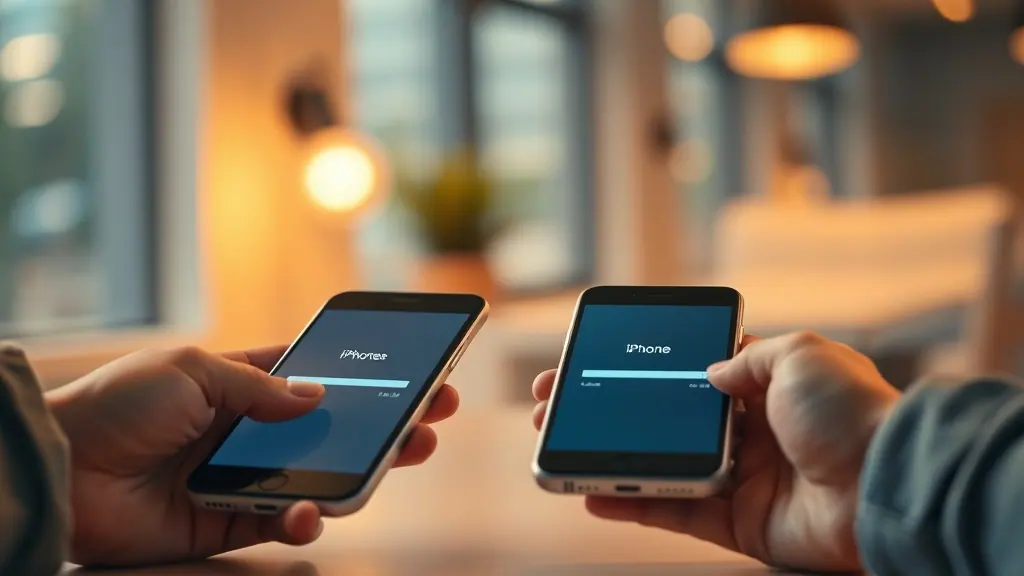
So, what does this 'Transfer to Android' feature actually do? According to Apple, it streamlines the process of migrating data from an iPhone to an Android device. By placing the two phones near each other, users can seamlessly transfer apps, photos, messages, and phone numbers. It's not a perfect transfer, health data and some protected items are excluded, but it's a massive improvement over previous methods.
What this means for you: If you've been considering switching from iPhone to Android but were deterred by the hassle of transferring your data, this feature removes a major barrier. No more painstaking manual transfers or reliance on third-party apps. It's now easier than ever to explore the Android world.
Android's AirDrop Equivalent Gets a Privacy Boost
While Apple is making it easier to switch to Android, Google is also taking steps to level the playing field. Google is aligning Quick Share (Android's answer to AirDrop) with iPhone's privacy model by removing the always-on 'Everyone' sharing mode. Now, the only option for sharing with everyone is a temporary 'Everyone for 10 minutes' setting.
Why this matters: Privacy is a growing concern for smartphone users. By adopting a privacy model similar to AirDrop, Google is signaling that it takes user privacy seriously. This move could appeal to privacy-conscious users who were previously hesitant to use Quick Share.
Android's AI and Innovation Edge, iPhone's US Dominance
The Apple vs. Android debate has always been about more than just features. It's about ecosystems, philosophies, and target audiences. As of 2026, Android continues to lead in areas like AI integration and innovative form factors like foldable phones. Samsung, in particular, is pushing the boundaries of what's possible with the rumored Galaxy S26 series teasing big camera upgrades and a possible "Wide" Galaxy Z Fold variant on the horizon. They also offer 7 years of updates compared to iPhone's typical 6-7.
Meanwhile, iPhone still dominates the US market and maintains a reputation for connectivity reliability and performance in some benchmarks.
Key Differences in 2026:
- Updates: Android (Samsung, Pixel) is catching up to or exceeding iPhone's update longevity.
- AI/Features: Android maintains a lead in AI and innovation, particularly with foldable devices.
- Privacy/Sharing: Quick Share is now aligning with AirDrop's privacy model.
- Switching: Apple's native Android transfer tool simplifies the process.
- Market: iPhone dominates in the US, while Android sees global growth.
The Future of the Smartphone Wars: Collaboration, Not Just Competition
These recent developments suggest a future where the lines between iPhone and Android become increasingly blurred. Apple's 'Transfer to Android' feature and Google's privacy enhancements to Quick Share indicate a willingness to collaborate and address user pain points. While the rivalry will undoubtedly continue, it may be tempered by a newfound focus on user experience and cross-platform compatibility.
The recent court ruling in favor of Whoop against wearable copycats, the Qualcomm revenue report that mentioned memory shortages, and the hints of new partnerships from apps like Spotify demonstrate that competition is intensifying across the board, but it seems Apple wants to be sure that switching to the competition is easy for anyone.
What this means for you: The smartphone market is becoming more competitive and user-friendly. Whether you're an iPhone loyalist or an Android enthusiast, you can expect more choices, better features, and a smoother experience in the years to come.
The Takeaway: The User Wins
The biggest winner in this evolving smartphone landscape is the user. Apple's move to embrace Android switchers and Google's focus on privacy demonstrate a commitment to meeting the needs of a diverse and demanding consumer base. As the iPhone vs. Android rivalry continues, expect to see more innovation, more competition, and more options that put you in control.
Discussion (0)
Commenting as
No comments yet. Be the first to share your thoughts!
The discussion could not be loaded. Please refresh the page.
Open source advocate and full-stack developer


