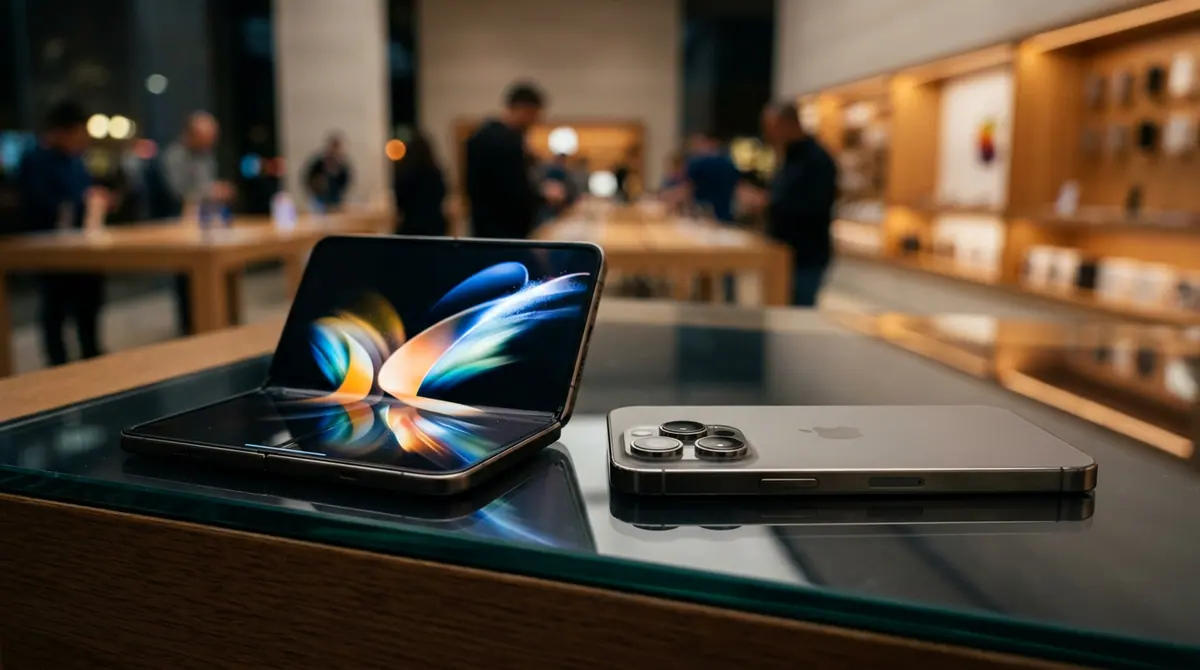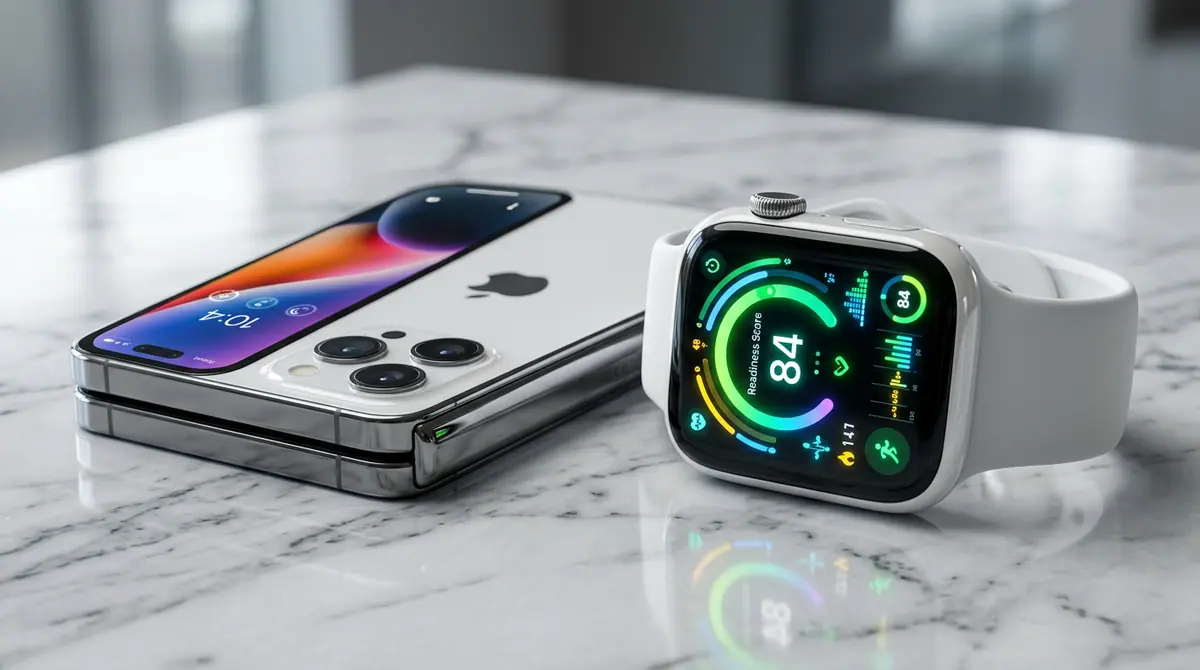
iPhone and Android Just Shook Hands: The Great Health Data Wall Has Fallen
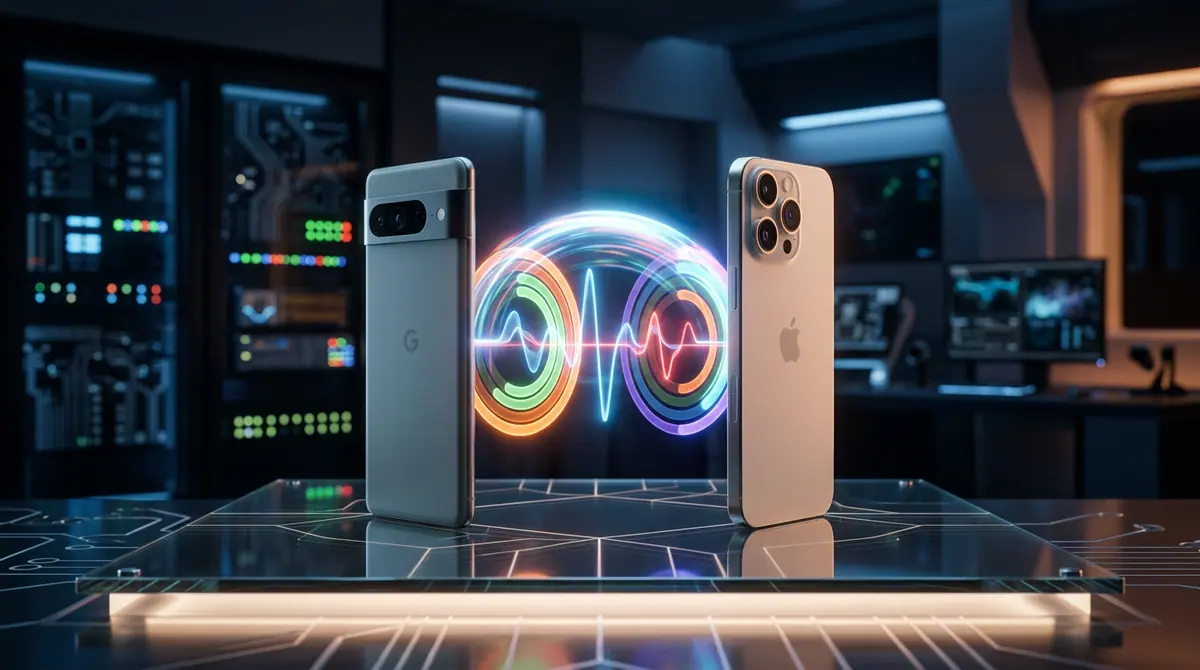
For years, Google and Apple kept your health data in separate silos. A massive new update finally builds a two-way bridge between the two giants, changing the mobile landscape forever.
Key takeaways
- Google Health v5.05 for iOS now supports full two-way syncing with Apple Health, allowing it to write data back to the Apple ecosystem.
- This move significantly reduces 'ecosystem lock-in' for health-conscious users who want to switch between Android and iOS.
- Samsung is reportedly considering a 'less is more' approach for the Galaxy S27 Ultra by potentially reducing the number of rear camera lenses.
- Critical metrics like Heart Rate Variability (HRV) are currently excluded from the new Google-Apple sync, indicating some remaining limitations.
- The broader trend in mobile tech is shifting toward software interoperability even as hardware becomes more specialized.
The Silicon Valley Truce You Did Not See Coming
The invisible wall between the world’s two most powerful mobile ecosystems just got significantly shorter, and your fitness data is the one leading the charge over the barricade. For years, the rivalry between the iPhone and Android has been defined by friction; if you switched from one to the other, you often had to leave your digital life behind. This was especially true for health metrics, where Apple Health and Google Health behaved like rival librarians refusing to share books. However, as of Monday, August 3, 2026, those days are officially over.
Google has quietly released a transformative update to its health ecosystem that allows for a full, two-way bridge between Google Health and Apple Health on iOS devices. According to a report by 9to5Mac, the latest version of the Google Health app for iPhone can now write data directly into the Apple Health repository, not just read from it. This marks a historic shift from the previously one-way relationship where Google could import Apple’s data but could never give anything back. It is a moment of interoperability that many experts thought would take years more to achieve.
What is New: The Two-Way Bridge
The technical shift centers on Google Health version 5.05 for iOS. As detailed in practical testing by Droid Life, users are now greeted with a new flow titled Sync to Apple Health. This is not a simple toggle; it is a granular permission system that allows users to decide exactly which categories of data they want to share across platforms. When setting up the sync, users can choose to move the last 30 days of their health history or commit to a full history migration, ensuring that years of step counts and sleep cycles are no longer trapped in a single app.
Context: The Fragmented Health Problem
For newcomers to the smartphone rivalry, the health data silo has long been a primary tool for ecosystem lock-in. If you owned an Apple Watch but wanted to try a Google Pixel, your years of fitness rings and heart rate trends would often vanish or become hopelessly fragmented. Google’s official support documentation has historically only described the import direction, effectively making Google Health a data sink rather than a source. This new bidirectional support signals a move toward a more user-centric approach where the data belongs to the individual, not the manufacturer.
Why It Matters: The End of Ecosystem Anxiety
This update matters because it removes one of the final massive hurdles for users who want to switch between iPhone and Android. For the health-conscious consumer, the smartphone is no longer just a communication device; it is a medical record and a personal trainer. By allowing Google Health to populate Apple Health, Google is essentially telling iPhone users that they can use Google’s services and wearables without breaking the integration with their primary device. It is a strategic play to make Google’s software indispensable on Apple’s hardware.
However, the integration is not without its limits. Research from Droid Life points out that certain complex metrics, such as Heart Rate Variability (HRV), are currently excluded from the syncing set. This suggests that while the bridge is open, the most proprietary and deeply analyzed data points may still remain exclusive to their parent platforms for a while longer. Users must also explicitly grant permissions within the iOS settings, as Apple’s privacy-first architecture requires that the user remain the ultimate gatekeeper of their biological data.
The Hardware Rivalry: A Different Path for Samsung
While software giants are building bridges, hardware manufacturers are looking for ways to streamline. In a separate development reported by Android Authority and GSMArena, rumors are swirling that Samsung may be planning a radical shift for the upcoming Galaxy S27 Ultra. For years, the Ultra line has been the king of camera versatility, often featuring a crowded array of four rear sensors. The new reports suggest Samsung might actually remove one of these cameras to focus on fewer, higher-quality sensors or to improve thermal and battery efficiency.
This creates an interesting contrast in the mobile world. While Google and Apple are making their software more flexible and interconnected, the physical devices are becoming more specialized. Samsung’s potential move toward a leaner camera array suggests that the era of adding more lenses just for the sake of marketing may be coming to an end, replaced by a focus on computational photography and sensor size.
What to Watch Next
Keep a close eye on how Apple responds to this newfound openness. While Google has opened the gates, Apple has yet to offer a version of Apple Health for Android, keeping its most valuable health insights exclusive to iPhone owners. If the pressure for interoperability continues to grow, we might see the first signs of Apple Health appearing on the Google Play Store by late 2027. Additionally, watch the Beta channels; with Android 17 QPR 1 Beta 8 currently rolling out to Pixel devices, Google is clearly in a phase of heavy polish and stability, preparing its OS for a more interconnected future.
The Takeaway
The rivalry between iPhone and Android is not ending, but the rules of engagement are changing. The focus is shifting from keeping users trapped behind high walls to making services so good that users choose to stay. Whether you are an athlete tracking your metrics or a student simply trying to keep your step count consistent, the message is clear: your data is finally becoming yours again. The choice of which phone to buy next just became a lot more about the hardware you love and a lot less about the data you are afraid to lose.
Discussion (0)
Commenting as
No comments yet. Be the first to share your thoughts!
The discussion could not be loaded. Please refresh the page.
AI researcher turned science communicator