Beyond the Blue Bubble: The iPhone and Android War Enters a New Era
Apple's latest hardware and a surprise security update are finally bridging the gap between iPhone and Android, but new hardware challenges and software shifts are emerging.
Key takeaways
- Apple has officially entered the beta phase for end-to-end encrypted RCS, significantly increasing security for iPhone-to-Android messaging.
- The iPhone 17 lineup is now fully in market, featuring the new budget 17e and the ultra-thin iPhone Air.
- Google's Android 17 and June Pixel Drop focus on AI music creation and multitasking features like Bubbles.
- The FBI has warned that unencrypted cross-platform texts are a major security risk, making the RCS update a critical privacy milestone.
- The Android customization scene is changing significantly with the end of the iconic Nova Launcher.
The End of the Messaging Cold War
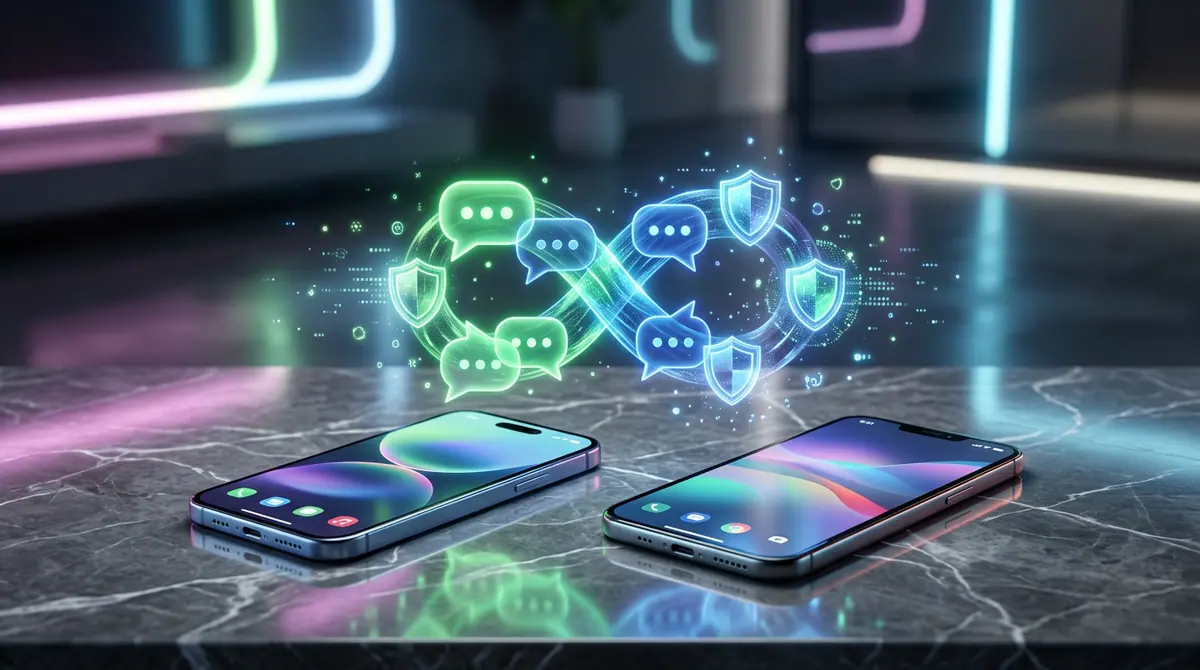
For over a decade, the color of a text bubble defined social hierarchies and security tiers, but a quiet update from Apple this week just changed the rules of the game forever. According to announcements in the Apple newsroom, the company has officially launched a beta for end-to-end encrypted RCS messaging. This move finally addresses the long-standing security gap that has plagued cross-platform communication between iPhone and Android users for years.
This development comes at a critical time for mobile privacy. As reported in a recent update shared by ABC News, the FBI recently issued a warning to smartphone users regarding the lack of encryption in standard Apple-to-Android text messages. Without this protection, traditional SMS and MMS messages can be intercepted by third parties, making the rollout of encrypted RCS not just a matter of convenience, but a necessary evolution for modern digital safety. For users, this means that high-resolution photos, read receipts, and typing indicators will now come with the same level of security previously reserved for iMessage-to-iMessage chats.
The Hardware Shuffle: iPhone 17 and the Quest for Thinness
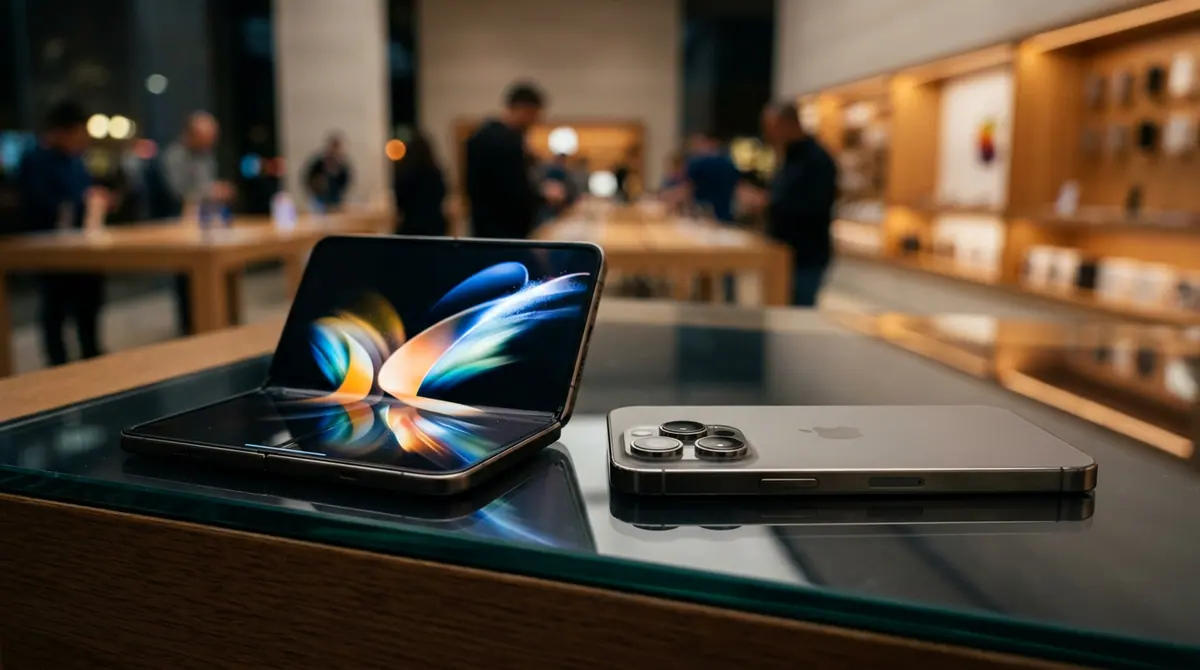
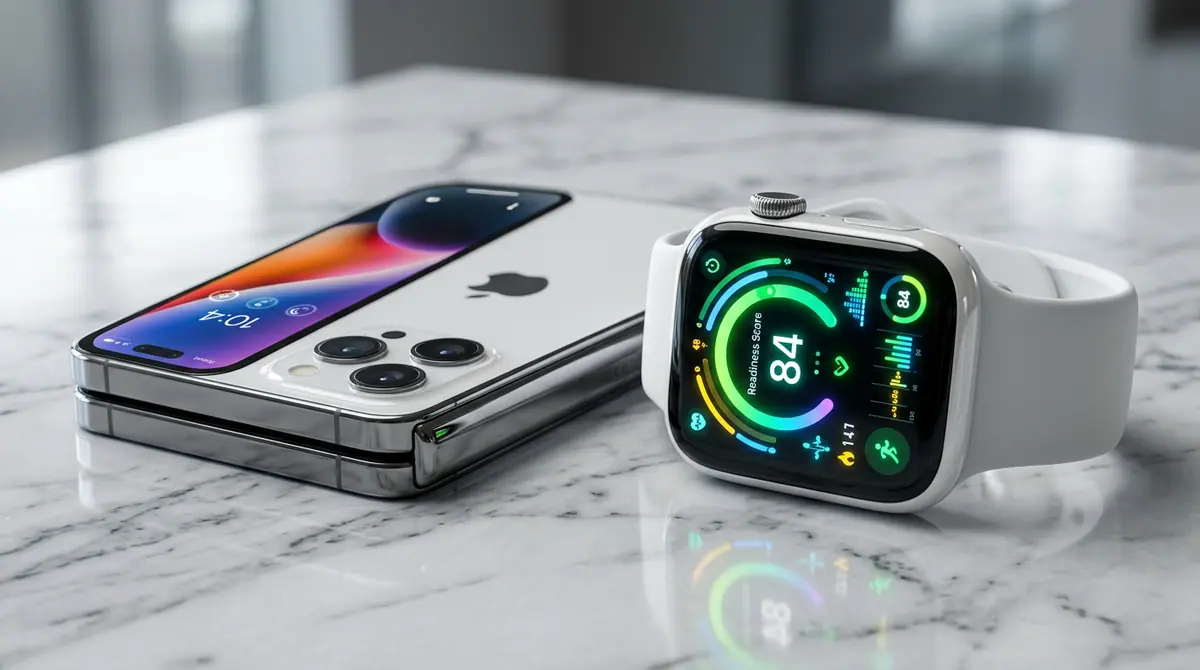
On the hardware front, the market is adjusting to the full arrival of the iPhone 17 lineup. Detailed reports from AppleInsider indicate that the iPhone 17, the budget-friendly iPhone 17e, and the radically designed iPhone Air are now establishing themselves in the market. The iPhone Air represents a bold gamble by Apple to prioritize aesthetics and portability above all else. However, this thin design has sparked a new debate within the tech community.
Technical reviews and industry analysis suggest that the pursuit of an ultra-thin chassis has forced trade-offs in battery capacity. This has led to the emergence of a new market for ultra-slim battery accessories, including a ninety-nine dollar power pack mentioned in recent industry coverage. While Apple is betting that users will choose style over multi-day battery life, the response from power users remains mixed. This shift mirrors a broader industry trend where hardware control is being balanced against the physical limits of lithium-ion technology.
Context: What is RCS?
Rich Communication Services (RCS) is the modern successor to the aging SMS and MMS standards. While the old standards were limited to 160 characters and poor-quality media, RCS supports features we have come to expect from modern apps: high-resolution video, group chat management, and typing indicators. For years, Google pushed Apple to adopt this standard to improve the experience between the two platforms. Apple’s latest beta adoption of encrypted RCS marks the most significant olive branch in the history of the smartphone rivalry.
Android 17 and the AI Creative Revolution
While Apple focuses on hardware refinement and messaging interoperability, Google is leaning heavily into feature velocity. A report by Digital Trends highlights the recent June Pixel Drop and the rollout of Android 17, which brings a suite of AI-assisted tools to the forefront. Features such as AI music creation and smarter calling tools show that Google is doubling down on software intelligence to differentiate its devices from the competition.
Android 17 also introduces improved multitasking through expanded Bubbles and Screen Reactions, aimed at making the operating system feel more interactive and responsive. However, the Android community is also mourning a significant loss. Reports from tech analysts confirm that Nova Launcher, a staple of Android customization for over a decade, has effectively reached the end of its life. For many, this marks a transition away from the 'wild west' era of Android customization toward a more curated, software-driven experience controlled by major manufacturers.
What Changed and Why It Matters
The landscape has shifted from a battle of hardware specs to a battle of ecosystem integration. The launch of the iPhone 17e and the iPhone Air shows Apple expanding its reach into both the entry-level and high-end lifestyle segments simultaneously. Meanwhile, Google’s focus on the June Pixel Drop illustrates a shift toward continuous software improvement rather than waiting for annual hardware cycles to impress users.
The stakes have never been higher for consumer privacy. With the FBI highlighting the vulnerabilities of unencrypted texts, the pressure on both Apple and Google to maintain secure, interoperable standards is immense. This shift means that your choice of phone no longer has to dictate the safety of your conversations with friends on the 'other side' of the OS divide.
What to Watch Next
In the coming months, keep a close eye on the quality control of flagship devices. Recent reports of 'screen snow' issues on the Pixel 10 have forced Google to roll out rapid software fixes, proving that even the most advanced AI-driven phones are susceptible to hardware gremlins. Additionally, the success of the iPhone Air will determine if the rest of the industry follows the path of ultra-thin designs or if battery life will remain the ultimate king of smartphone features. As cross-platform friction continues to ease through better file sharing and messaging standards, the rivalry is moving toward who can provide the most helpful, invisible AI assistant to manage our daily lives.
Sources (6)
Discussion (0)
Commenting as
No comments yet. Be the first to share your thoughts!
The discussion could not be loaded. Please refresh the page.
Cybersecurity and privacy journalist