Apple’s Surprise Summer Discounts vs. the Changing Face of Android
Apple is breaking tradition with deep third-party discounts on the iPhone 17 Pro and M5 MacBook Pro, while Android faces a strategic shift as brands like Nothing retreat from global markets.
Key takeaways
- Apple is seeing unprecedented third-party retail discounts on new hardware like the iPhone 17 Pro and M5 MacBook Pro, while keeping official Apple Store prices static.
- The brand Nothing is pulling back from several global markets, highlighting the difficulty smaller Android manufacturers face in maintaining a large-scale distribution and support footprint.
- Samsung's ultra-premium foldable strategy is facing increased competition from value-driven flagships as consumers prioritize durability and battery life over folding displays.
The Premium Shift: Why Your Next Phone Might Cost Less Than You Think
Finding a discount on a brand new Apple product used to be as rare as finding a quiet corner in a crowded subway. However, the summer of 2026 is turning that logic on its head. While Apple maintains its pristine price points at the official Apple Store, a wave of aggressive third-party retail promotions is currently reshaping the mobile landscape. If you have been waiting for the right moment to upgrade your tech stack, the data suggests that the moment has arrived, but perhaps not in the way you expected.
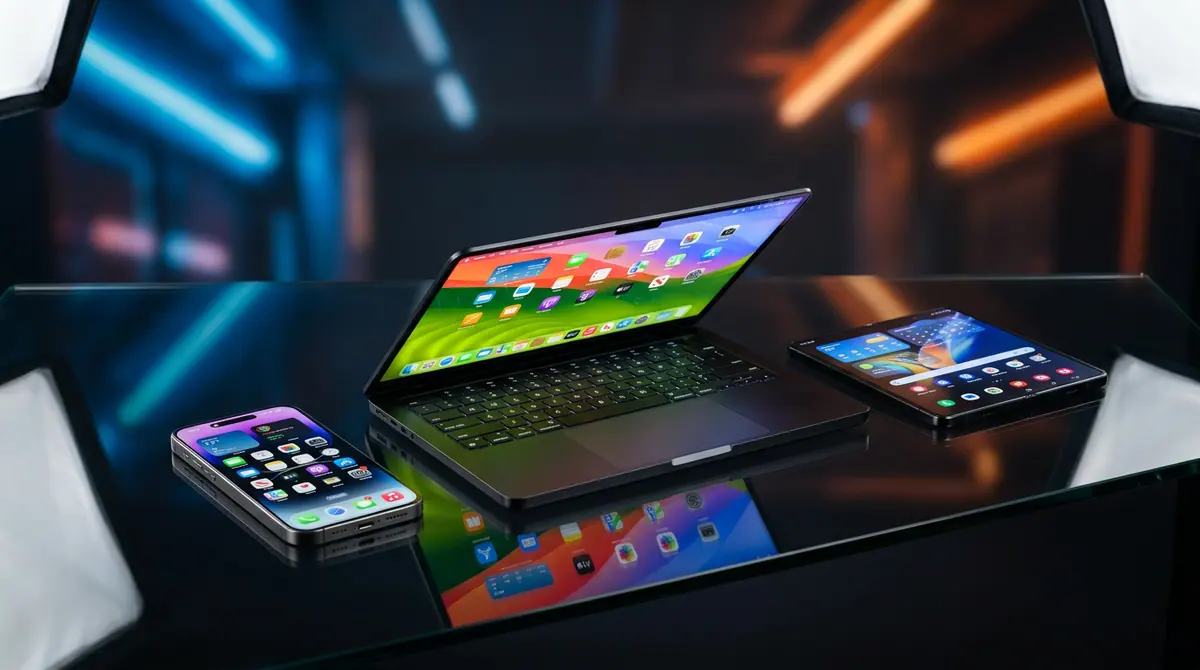
According to a report by 9to5Mac, we are currently seeing some of the most significant discounts on Apple hardware since the June Prime Day period. The standout offers include up to $500 off M5 Pro MacBook Pro models, a massive reduction for machines that represent the cutting-edge of mobile computing. But the story does not end with laptops. The mobile ecosystem is feeling the heat as well, with the iPhone 17 Pro and the new iPhone Air seeing price cuts that were previously unheard of so early in their lifecycle.
Apple’s Third-Party Renaissance
A detailed roundup from AppleInsider confirms this trend, showing that aggressive Mac, iPad, and accessory discounts remain live across major retailers. The savings are not just incremental; we are seeing up to $650 in total value across various product categories. For those deep in the Apple ecosystem, the AirTag 2 is seeing its first material discounts, with single-packs hitting $24 and four-packs dropping to $89. Even the AirPods Pro 3, which usually command a significant premium, are now hovering in the $179 to $200 range at several outlets.
Perhaps most surprising is the movement on the iPhone front. As noted in a Macworld deal analysis, the iPhone Air (256GB) is seeing discounts as high as $200. Other reports indicate that the iPhone 17 Pro and Pro Max are seeing savings up to $449 through specific retail promotions. While these often involve carrier subsidies or trade-in stacking, the sheer volume of these offers suggests that retailers are working harder than ever to move premium hardware in a saturated market.
The Android Counter-Point: Quality over Quantity?
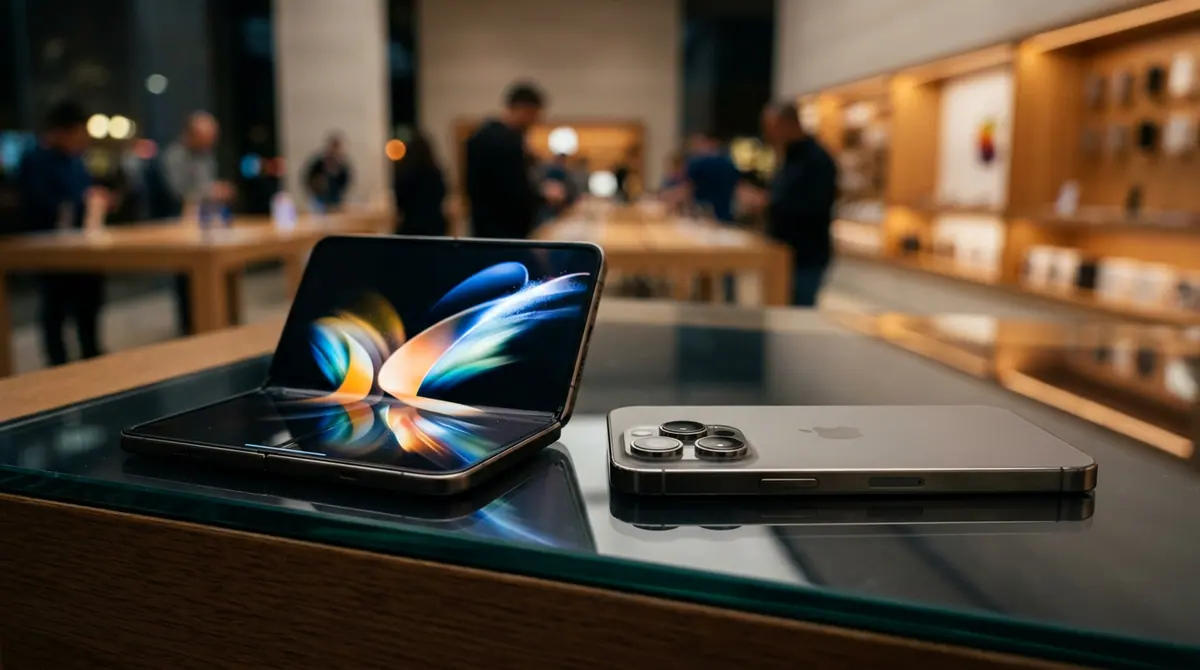
While Apple hardware is becoming more accessible through retail deals, the Android world is undergoing a different kind of transformation. The high-end market remains dominated by Samsung, but even the giants are facing scrutiny. Android Authority recently highlighted five smartphones that consumers should consider instead of the Galaxy Z Fold 8 Ultra, signaling a growing fatigue with ultra-premium foldable pricing. Buyers are increasingly looking for practicality, battery life, and software support over the novelty of a folding screen.
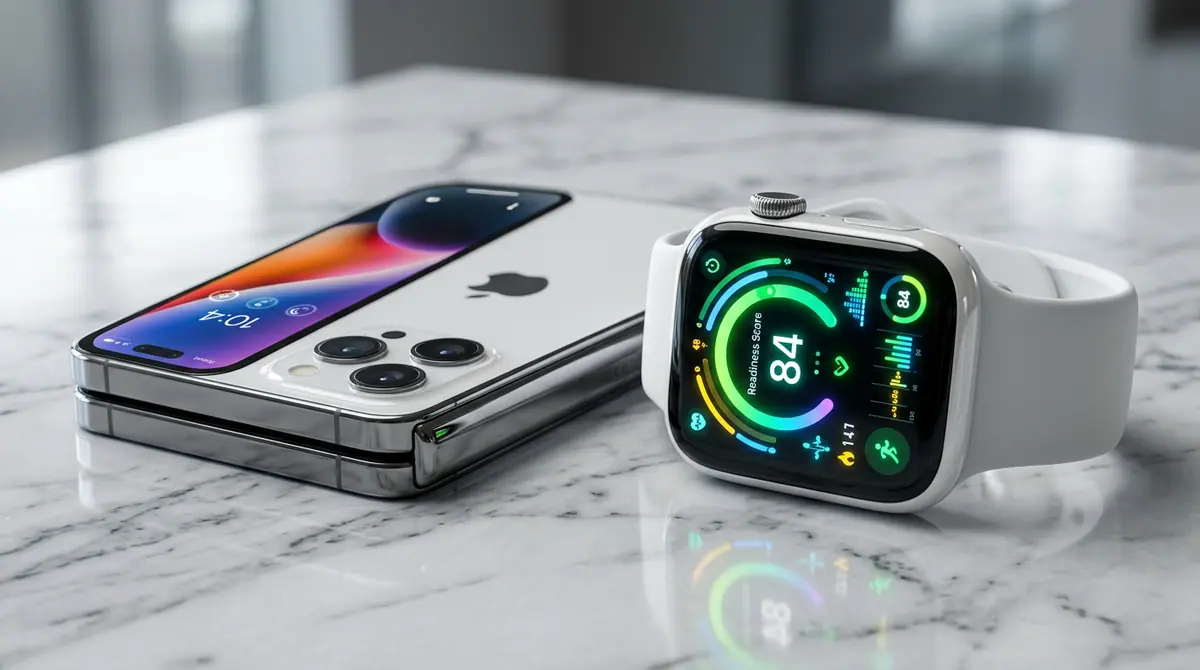
Samsung is not standing still, however. The company is currently preparing to launch the Galaxy Watch9, which GSMArena is already putting through its paces in early hands-on testing. The tech world is waiting to see if Samsung can bridge the gap in sensor accuracy and battery longevity that Apple has recently widened with the Apple Watch Series 11, which is currently discounted to as low as $279 according to multiple deal trackers.
What Changed: The New Retail Reality
In previous years, Apple gear rarely saw double-digit percentage discounts within the first few months of release. What has changed is the intensity of the "Prime Day hangover." Retailers like Amazon and Best Buy are no longer waiting for major holidays to slash prices. Instead, they are using these flagship products as loss leaders to drive traffic, creating a environment where the savvy shopper rarely has to pay full MSRP. This is a clear delta from the historical pattern where Apple maintained strict control over the street price of its newest devices.
Strategic Retreats and Global Footprints
Beyond the price wars, a more concerning trend is emerging for Android enthusiasts. The brand Nothing, which captured the hearts of tech purists with its transparent design and clean software, is reportedly leaving multiple global markets. According to reports from Android Authority and GSMArena, this appears to be a distribution-scale problem rather than a product failure. Similar to the market pullbacks we saw from OnePlus in previous years, Nothing is reassessing where it can maintain viable service and regulatory operations. For users, this means a slimmer official footprint and a greater reliance on import channels, which could impact long-term software support and hardware repairs.
Why It Matters
This shift in the rivalry is crucial for consumers to understand. Apple is using third-party retail partners to make its premium ecosystem more inclusive without officially devaluing the brand at its own stores. Meanwhile, the Android ecosystem is seeing a consolidation of power. As smaller, innovative brands like Nothing shrink their global reach, the market risks becoming a duopoly between Apple and Samsung. For the student looking for their first professional laptop or the professional upgrading their primary mobile tool, the current market offers incredible value, provided you know where to look and which brands have the stability to support you for the next four years.
What to Watch Next
As we move toward the fall, keep a close eye on the performance of the "iPhone Air" category. If these slim, premium devices continue to see heavy discounts, it may force Samsung to accelerate the release of its own rumored "Slim" foldables or flagship slabs. Additionally, watch for the full battery and sensor reviews of the Galaxy Watch9. If Samsung can outperform the Series 11 in health tracking, it may stem the tide of users currently being lured by Apple's lower retail pricing. The mobile wars are no longer just about who has the best camera; they are about who can maintain a global presence while offering the best path to ownership.
Sources (8)
Discussion (0)
Commenting as
No comments yet. Be the first to share your thoughts!
The discussion could not be loaded. Please refresh the page.
Mobile ecosystem analyst and smartphone reviewer