Apple Maps Just Declared War on Google with the Stunning Liquid Glass Redesign
Apple's iOS 26 update is more than a facelift; it is a fundamental shift in how we navigate the world, prioritizing on-device privacy over Google’s cloud-heavy approach.
Key takeaways
- Apple's iOS 26 introduces the Liquid Glass interface, shifting Maps toward on-device intelligence and local encryption.
- The privacy battle between Apple and Google has shifted to how location data is processed, with Apple favoring local storage over cloud profiles.
- Apple Home architecture underwent a mandatory migration in February 2026, emphasizing the need for modern hardware within the ecosystem.
- Android is closing the gap with Apple through richer wearable apps like Telegram and hardware improvements in the Samsung Galaxy S26 line.
The Era of Passive Navigation is Dead
For over a decade, the choice between an iPhone and an Android device often came down to a simple trade-off: do you want the polished ecosystem of Apple or the superior intelligence of Google? That line just became incredibly blurry. With the arrival of 2026, the smartphone rivalry has reached a fever pitch, driven by a radical overhaul of the apps we use to navigate our physical world. The maps on our phones are no longer just digital paper; they are becoming predictive, sentient extensions of our daily routines.
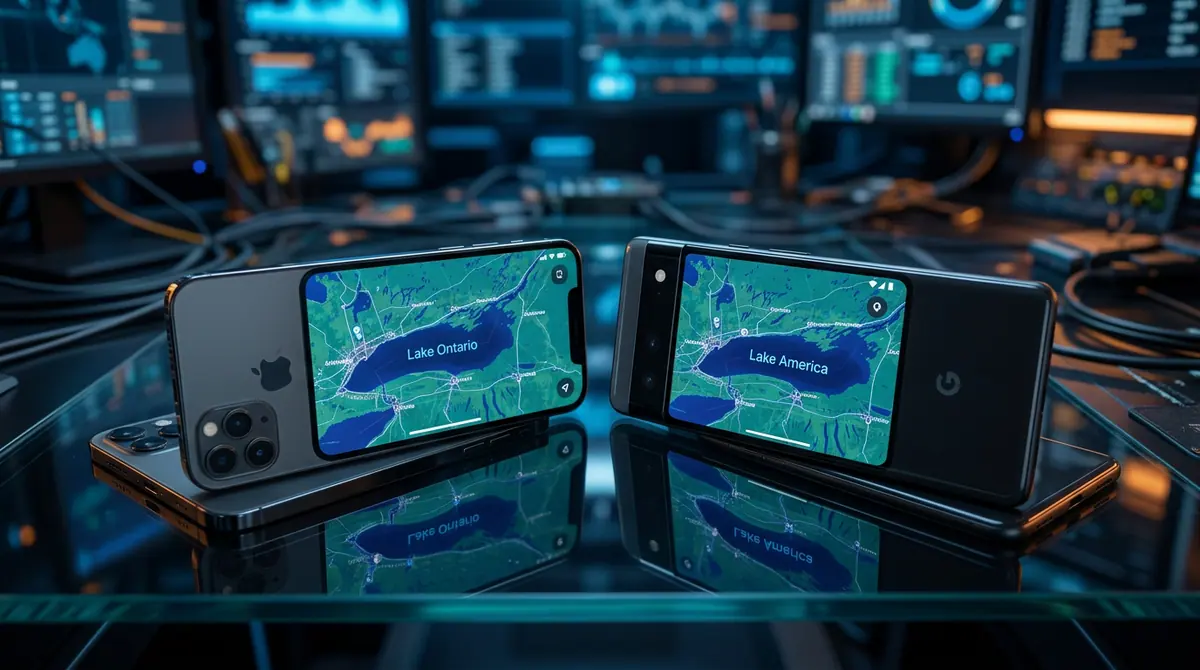
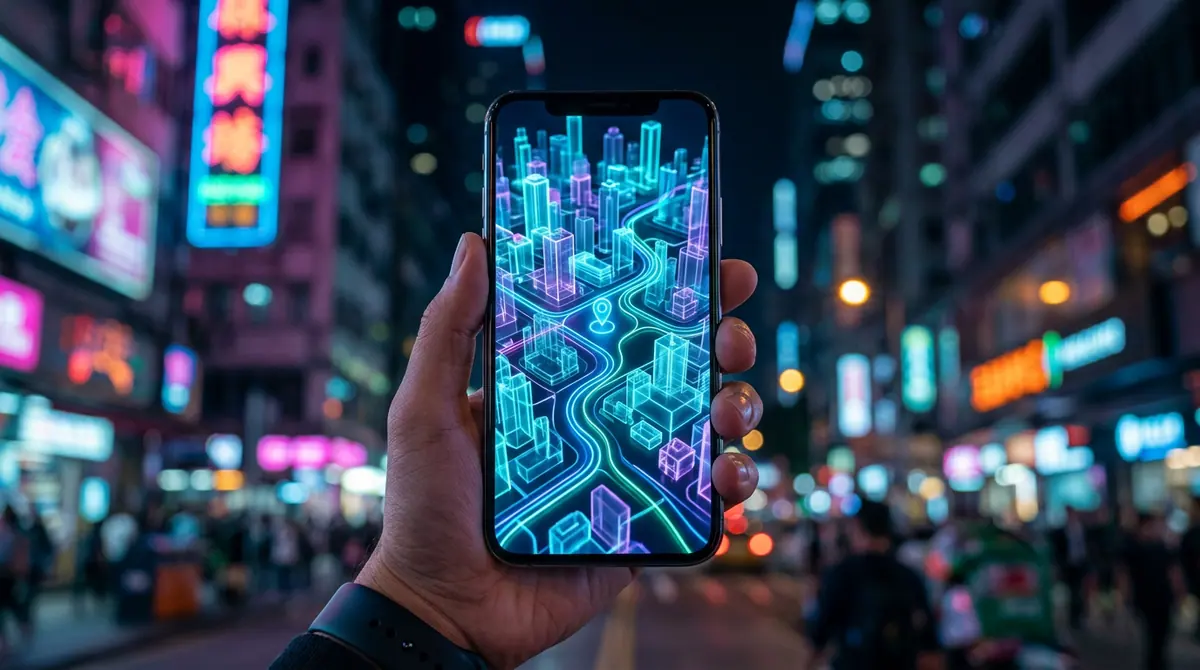
Apple recently threw down the gauntlet at WWDC 2025 by announcing a massive redesign of Apple Maps for iOS 26. According to a report by Location Business News, this new interface, dubbed Liquid Glass, represents a total departure from the static tiles of the past. It is not just about aesthetics. Apple is leveraging on-device intelligence to remember your regular routes, predict real-time delay alerts, and suggest preferred routes without ever sending your sensitive location history to a central server. This is a direct shot across the bow of Google, whose mapping dominance has long relied on cloud-based profiles that many privacy advocates find intrusive.
The Privacy Shield: On-Device vs. The Cloud
The strategic theme for Apple in 2026 is privacy-preserving personalization. As Apple unveiled in a newsroom post this June, the company is introducing a locally encrypted feature called Visited Places. While Google Maps has historically used your travel history to build a marketing profile, Apple’s pitch is that your location awareness can happen entirely on your hardware. By processing data locally, Apple ensures that your frequent stops and habits remain your business alone. For users who have felt uneasy about the trail of digital breadcrumbs they leave behind, this move could be the deciding factor in switching from Android to iOS.
However, this focus on local processing comes with its own set of challenges. It requires immense raw power, which explains why Apple is pushing users toward its latest hardware. Apple Support has already indicated that the older version of the Apple Home architecture ended support on February 10, 2026. This transition means that to enjoy the latest smart-home features, including guest access and robot vacuum support, users must maintain a modern fleet of devices. It is a classic Apple move: offering unparalleled privacy and integration, but at the cost of ecosystem lock-in.
Android’s Response: More Than Just a Map
While Apple focuses on the interface, the Android ecosystem is doubling down on utility and hardware parity. The rivalry is particularly visible in the wearable space. For years, Android-focused smartwatch users felt like second-class citizens when it came to messaging. That is changing rapidly. The return of Telegram to Wear OS marks a strategic shift. Rather than being a simple notification mirror, the app now supports full chats, voice notes, and standalone communication. This makes Wear OS devices feel like true companions rather than just accessories, narrowing the gap with the Apple Watch.
On the hardware front, the competition is just as fierce. Samsung is reportedly closing a long-standing feature gap with the Galaxy S26 series, aiming to standardize flagship capabilities that were previously found only on Pixel or OnePlus devices. Meanwhile, the accessory market is evolving to support these power-hungry features. Belkin recently launched a 25W MagSafe battery pack with a 10,000mAh capacity, responding to the demand for faster wireless charging that keeps up with our increasingly mobile lives.
What Changed and Why It Matters
The most significant delta from previous years is the move away from generic data tracking. In the past, apps like Apple Screen Time or Android Digital Wellbeing simply told you how long you used your phone. Now, new tools like the oh my hours app are gaining traction by measuring wasted time and procrastination habits rather than just raw screen minutes. This reflects a broader industry trend: users are no longer satisfied with passive data; they want actionable insights that help them improve their lives.
For the average user, these developments mean that the choice of a smartphone is increasingly a choice of philosophy. Do you prefer the privacy-first, on-device intelligence of the Apple ecosystem, even if it requires more frequent hardware upgrades? Or do you value the open, feature-rich flexibility of Android, which is finally achieving the app parity and hardware standards users have craved for years? As we look toward the remainder of 2026, the winner of this rivalry won't be the company with the best specs, but the one that makes the user feel most in control of their own data and time.
What to Watch Next
Expect the battle for the wrist to intensify as Wear OS continues to attract high-quality standalone apps. Furthermore, keep an eye on how Google responds to Apple’s Liquid Glass interface. If Apple successfully convinces the public that cloud-based mapping is a relic of a less private era, Google may be forced to overhaul its entire data-collection model for Google Maps. The map wars are just getting started, and your privacy is the ultimate prize.
Discussion (0)
Commenting as
No comments yet. Be the first to share your thoughts!
The discussion could not be loaded. Please refresh the page.
Cybersecurity and privacy journalist