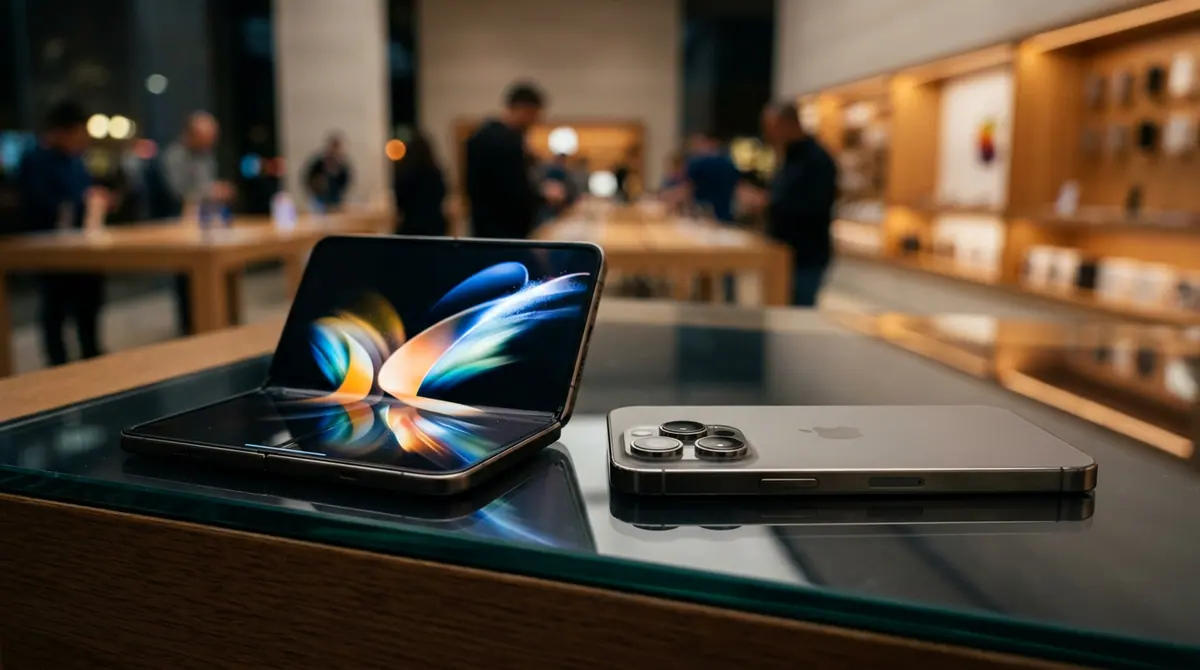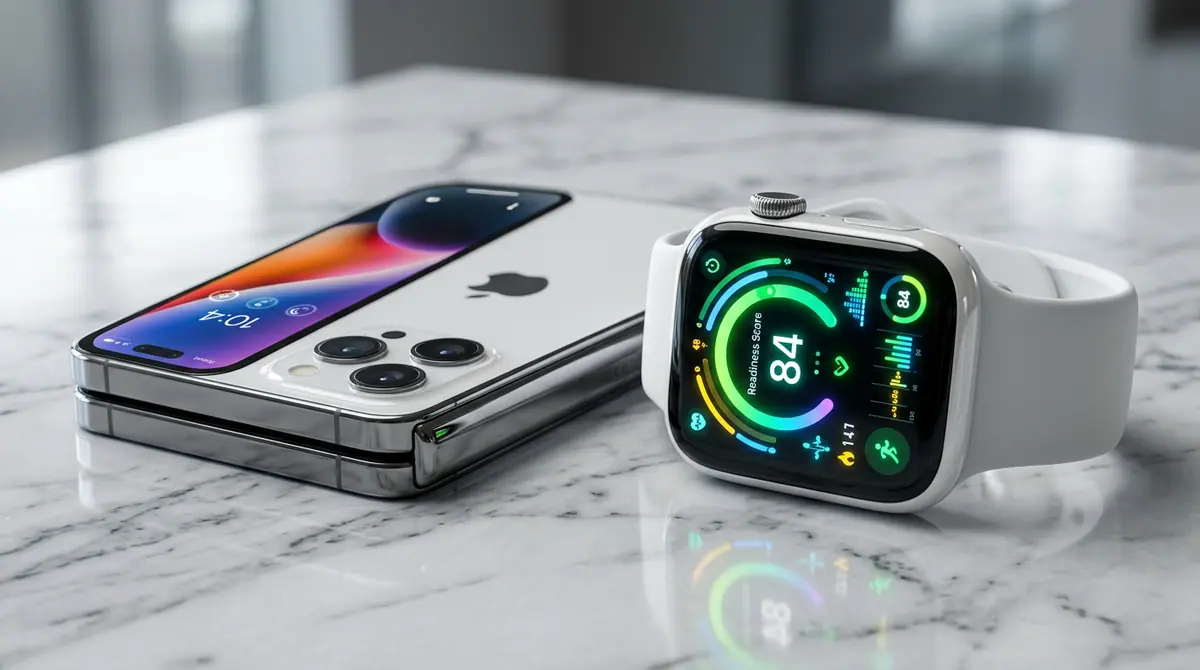
Apple Kills the iPhone Upgrade Program: The New Strategy to Own Your Pocket
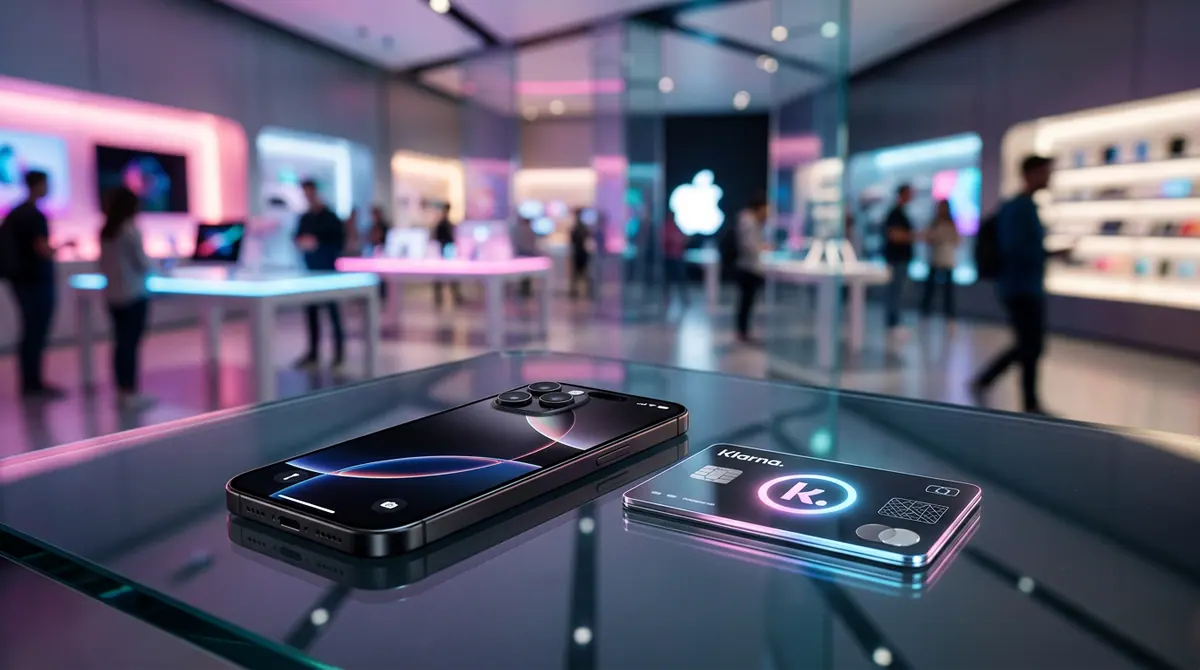
Apple is dismantling its iconic iPhone Upgrade Program in favor of a lean, Klarna-backed leasing model. Here is why the Apple Upgrade shift changes everything for your next phone.
Key takeaways
- Apple is replacing the iPhone Upgrade Program with a new 'Apple Upgrade' plan on July 28, 2026.
- The new plan removes bundled AppleCare+, lowering monthly costs but increasing user responsibility for insurance.
- Apple is shifting its financing partnership to Klarna, mirroring a successful rollout of similar changes in the UK.
- This move signals the cancellation of a previously rumored hardware-as-a-service subscription model in favor of traditional leasing.
The End of the All-Inclusive Era
For nearly a decade, Apple fans have relied on a single, predictable monthly payment to ensure they always had the latest titanium-clad device in their pockets. That era is officially coming to a close. According to reports from 9to5Mac and MacRumors on Tuesday, Apple is winding down new enrollments for its signature iPhone Upgrade Program in the United States. In its place, the tech giant is preparing to launch a leaner, more aggressive leasing plan simply called Apple Upgrade on July 28, 2026.
This is not just a name change; it represents a fundamental shift in how Apple views its relationship with your wallet. For years, the iPhone Upgrade Program was the gold standard for convenience, bundling the cost of the device with the comprehensive AppleCare+ protection plan. The new Apple Upgrade plan, however, strips away that safety net. By partnering with the fintech giant Klarna, Apple is pivoting toward a lower entry price while offloading the insurance component. This move suggests that Apple is prioritizing lower monthly stickers to combat a cooling smartphone market and fierce competition from Android rivals.
What Changed: The Shift to Apple Upgrade
The transition marks a departure from Apple's long-standing partnership with traditional banking entities in favor of the buy-now-pay-later ecosystem. The core change is the removal of the bundled AppleCare+ and Theft and Loss protection. While this will almost certainly result in a lower monthly payment, it forces the consumer to make a choice: pay for insurance separately or go unprotected. For a device that can easily top 1,200 dollars, that is a significant gamble for the average user.
- Launch Date: The new Apple Upgrade program is scheduled to go live on July 28, 2026.
- Financing Partner: Apple is moving away from its previous U.S. financing partners to work exclusively with Klarna for this new tier.
- Protection: AppleCare+ is no longer included in the monthly price, a shift from the all-in-one model that defined the previous decade of iPhone ownership.
As reported by Forbes, this strategy follows a blueprint Apple already tested in the United Kingdom earlier this year. In the UK, the program was replaced by a Flexible Finance Account, which similarly decoupled insurance from the hardware loan. While that move allowed for lower monthly headlines, some UK users found that the total cost actually rose slightly when trying to replicate the old bundled service. It is a classic move from the Apple playbook: offering more flexibility while subtly nudging users toward a more complex, and potentially more profitable, ecosystem of separate subscriptions.
Why It Matters: Balancing Cost and Complexity
Why would Apple kill one of its most successful loyalty programs? The answer lies in the broader economic landscape. As smartphone upgrade cycles stretch longer, Apple needs to lower the barrier to entry for the latest hardware. By removing the 10 to 15 dollar monthly cost of AppleCare+ from the base lease, the iPhone looks significantly more affordable on a monthly basis. This is a direct shot at the Android ecosystem, where Samsung and Google have been aggressive with their own financing and trade-in deals.
However, this shift also adds a layer of friction. Instead of one monthly bill, users who want protection must now manage two separate agreements. Critics and former users noted in reports from The Apple Post that this added complexity might drive some customers back toward traditional carrier financing through Verizon or AT&T, where bundles are still common. For the tech-savvy student or the budget-conscious professional, the lower monthly cost of Apple Upgrade is a win; for the person who values simplicity, it is a frustrating step backward.
Context Box: The iPhone Upgrade Program
Launched in 2015, the original iPhone Upgrade Program was Apple's way of turning hardware into a service. For a fixed monthly fee, users received a new iPhone every year, the highest level of AppleCare+ protection, and the ability to choose any carrier. It was designed to bypass the traditional two-year carrier contract, giving Apple direct control over the customer relationship and ensuring a steady stream of trade-ins for the secondary market.
The Rivalry: iPhone vs. Android Leasing
Apple does not operate in a vacuum. Samsung has been refining its Samsung Access program, which includes Microsoft 365 and insurance, while Google offers the Pixel Pass in various forms to keep users locked into the Android ecosystem. By streamlining the Apple Upgrade program, Apple is positioning itself to be more price-competitive with the high-end Android flagship market. When a customer compares a monthly payment for a Galaxy S-series device against a newly lowered iPhone lease price, the math suddenly looks a lot better for the team in Cupertino.
Interestingly, this move comes on the heels of reports that Apple scrapped a much more ambitious hardware subscription service earlier in 2026. According to sources cited by Gadgets360, Apple had explored a true subscription model where users would never own the phone, but rather pay a flat monthly fee for access to the latest hardware and services. The pivot to the Klarna-backed Apple Upgrade suggests that for now, the traditional leasing model is still the safest bet for the company's bottom line.
What to Watch Next
As we head into the fall hardware cycle, keep an eye on how Apple markets the upcoming iPhone 17 series. With the new financing structure in place, we expect to see Apple lean heavily into the affordability of its Pro models. We should also watch for how existing iPhone Upgrade Program members are handled. While it remains unclear if they will be forcefully migrated to the new Klarna system or allowed to finish their current terms, the transition is likely to be a major talking point during the next Apple Event.
For the consumer, the takeaway is clear: the days of the easy, all-in-one upgrade are fading. If you want the latest iPhone, you are going to have to be more diligent about your insurance choices and your credit agreements. Apple is making it cheaper to get in the door, but the safety net is now your responsibility to build.
Discussion (0)
Commenting as
No comments yet. Be the first to share your thoughts!
The discussion could not be loaded. Please refresh the page.
Robotics and automation industry analyst