The Hidden AI Tax: How the Global Chip Boom Just Made Roku More Expensive
Your favorite streaming stick is getting a major price hike, and the culprit isn't just inflation. It is the global AI gold rush. Here is why Roku hardware is suddenly a premium purchase.
Key takeaways
- Roku hardware prices have increased by $10 to $50 per device, with some models seeing a 60% jump.
- The primary cause is a global shortage of RAM and components driven by the massive demand for AI infrastructure.
- The price hike narrows the competitive gap between Roku and premium rivals like Apple TV, potentially shifting consumer loyalty.
- Roku's strategy of selling hardware at low margins is being upended by rising manufacturing costs.
The Price of Progress
Your next Netflix binge just got significantly more expensive, but the price hike isn't coming from your streaming service. Instead, it is hitting the very hardware you use to watch it. In a move that has sent shockwaves through the consumer electronics industry, Roku has quietly raised the prices of its hardware lineup by as much as 60 percent. While we often blame inflation for rising costs, the primary driver here is something much more modern: the insatiable appetite of the artificial intelligence boom.
According to a report by 9to5Google, the price increases are substantial. The flagship Roku Ultra and the Streambar SE have both jumped by approximately $50, bringing their new retail price to around $150. Even the entry-level options are not immune. The popular Streaming Stick 4K has seen its price tag climb to $80, a move that Ars Technica notes represents a staggering 60 percent increase for what was once the gold standard of affordable streaming.
The Rise of RAMageddon
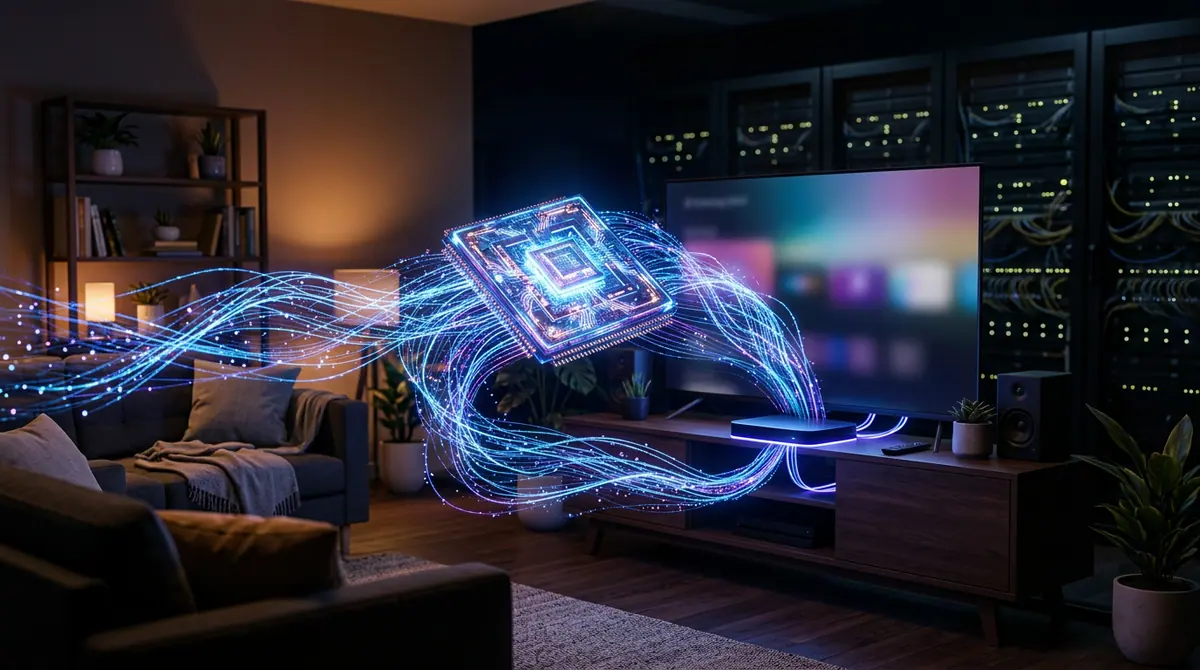
The technical reason behind this sticker shock is a phenomenon experts are calling RAMageddon. As tech giants like OpenAI, Google, and Microsoft race to build more powerful AI models, the demand for high-performance memory has skyrocketed. This surge in demand for server-side RAM has created a massive supply squeeze for the lower-cost components used in consumer gadgets. NotebookCheck reported that Roku or its executives have directly linked the price hikes to these rising component costs, specifically pointing to the shortage of RAM and other critical chips that are being diverted to satisfy the AI industry.
This is a fundamental shift in the economics of the living room. For years, Roku operated on a razor-thin margin, often selling hardware at or near cost to get its operating system into as many homes as possible. The goal was to make up the difference through advertising and service commissions. However, the current component crisis is so severe that even Roku's aggressive growth strategy could not absorb the costs any longer.
Context: The Roku Business Model
Roku has traditionally functioned as a platform company rather than a hardware manufacturer. By providing affordable, high-quality streaming sticks, they secured a massive user base that they could later monetize through the Roku Channel and targeted advertising. This hardware-as-a-gateway strategy is now being tested by external market forces that have driven manufacturing costs beyond the point of sustainability for low-margin devices.
What Changed: From Value King to Premium Player
The most significant change is the erosion of the value gap. For nearly a decade, Roku was the undisputed king of the budget streaming market. By raising prices so aggressively, they are moving into a dangerous middle ground. As Android Authority points out, these new price points compress the gap between Roku and its more powerful competitors. At $150, a Roku Ultra is now priced similarly to an Apple TV 4K, which offers a more powerful processor and a deeper integration with the Apple ecosystem. For consumers, the decision is no longer about saving $100; it is about which premium experience they prefer.
Furthermore, Roku's transition to these new prices has been subtle. As noted by researchers at 9to5Google and Ars Technica, the company's website has occasionally listed the old manufacturers suggested retail prices as sale prices. This suggests the company is attempting to manage the transition gradually to avoid immediate consumer backlash, though the long-term reality is clear: the days of the $30 high-performance streaming stick may be coming to an end.
Why It Matters: A Warning for All Electronics
This development matters because Roku is the canary in the coal mine for consumer electronics. If a company with Roku's scale and focused supply chain is forced to raise prices by 50 or 60 percent, it is likely that other manufacturers will follow suit. We are already seeing upward pressure on prices for Apple TV and even the low-cost Google TV devices sold at Walmart. The AI boom is not just a digital revolution happening in data centers; it is a physical reality that is beginning to tax the wallet of every consumer who buys a device with a chip inside it.
What to Watch Next
In the coming months, keep a close eye on retail inventory. Because some major retailers like Amazon and Best Buy may still have stock purchased at the older wholesale rates, actual street prices might lag behind the new MSRP for a short period. However, once that inventory clears, the higher prices will become the new normal. Additionally, watch for whether Roku introduces a new, lower-spec hardware tier to reclaim the budget market, or if they lean further into their relationships with TV manufacturers like TCL and Hisense to keep their software presence growing without the risk of hardware manufacturing.
The era of cheap silicon is over, and as AI continues to devour the global supply of semiconductors, our living rooms are the first place we are feeling the bite. Whether consumers will stay loyal to Roku at these new price points or flee to cheaper, integrated smart TV interfaces remains the billion-dollar question for the streaming industry.
Sources (6)
Discussion (0)
Commenting as
No comments yet. Be the first to share your thoughts!
The discussion could not be loaded. Please refresh the page.
Mobile ecosystem analyst and smartphone reviewer