
macOS 27 Golden Gate: Apple’s Bold Vision for the Future of Desktop Computing
Apple's latest OS release, Golden Gate, signals a massive shift in how we interact with our devices, blurring the lines between high-end hardware and intuitive wellness software.
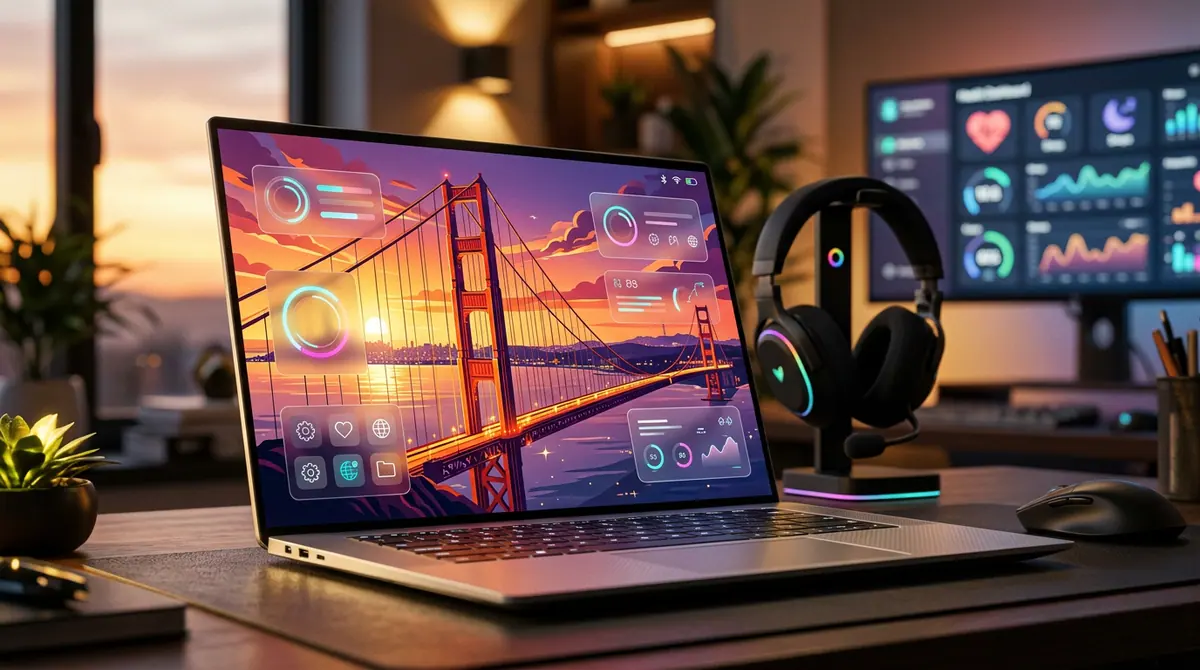
Key takeaways
- macOS 27 Golden Gate represents a shift toward a more integrated and proactive desktop operating system.
- Hardware manufacturers like SteelSeries are aggressively discounting current stock to prepare for new OS-compatible releases.
- Wellness platforms like Noom are shifting toward trial-based models to integrate more deeply into the desktop ecosystem.
- The consumer tech market is currently experiencing high volatility in pricing and promos as software standards evolve.
The Desktop Revolution Has a New Name: Golden Gate
Your laptop is about to become a different machine entirely, as the arrival of macOS 27, codenamed Golden Gate, marks the most significant architectural shift in Apple software in over a decade. While the tech giant has traditionally focused on incremental refinements, Golden Gate appears to be a total reimagining of the user interface, according to recent analysis from Ars Technica. The new operating system focuses on deep integration, performance gains, and a new way of handling the increasingly complex ecosystem of professional gaming hardware and health-focused software that defines modern digital life.
As we move through mid-September 2026, the launch of Golden Gate coincides with a flurry of activity across the consumer technology sector. It is not just about the software; it is about how that software talks to the tools we use every day. From high-end audio peripherals to advanced wellness platforms, the digital landscape is becoming more interconnected and competitive than ever before.
What Changed: The Shift to an Integrated Ecosystem
In the past, operating systems acted merely as a launchpad for applications. With macOS 27, the system itself is becoming more proactive. A primary example of this shift is how the OS handles high-performance gaming peripherals. According to data tracked by Coupert and other market aggregators, hardware leaders like SteelSeries have seen a surge in interest as Golden Gate nears release. Specifically, the Arctis Nova Pro Wireless has become a focal point for enthusiasts, with retailers offering 20 percent discounts to clear inventory for the new generation of Golden Gate-compatible gear.
Furthermore, the way we manage personal health is being baked into the core experience. Rather than health data living in a siloed mobile app, Golden Gate brings detailed wellness metrics to the desktop. This trend is mirrored by recent market movements from Noom, which has expanded its subscription models to include trials as low as ten dollars for 14 days, as reported by Savings.com. The delta here is clear: software is no longer a tool you open; it is a persistent layer of your lifestyle that remains active across all your devices.
Why It Matters: The Hyper-Personalized User
This matters because the friction between our physical hardware and our digital goals is finally disappearing. For students and professionals, the focus on verified performance is paramount. According to tracking from SimplyCodes, the market for SteelSeries promo codes has become highly volatile, with 15 verified offers appearing in a single day in mid-September. This indicates that manufacturers are aggressively trying to ensure their hardware is in the hands of users just as Golden Gate rolls out its new low-latency audio drivers.
For the average consumer, this translates to a more fluid experience where your health goals, gaming performance, and work productivity are managed by a single, cohesive interface. The days of hunting for disconnected settings are ending. As Wired noted in a recent consumer strategy piece, Apple is framing this release not just as an update, but as a strategic pivot toward a more holistic product ecosystem.
Context Box: The Golden Gate Naming
For those new to the world of Apple software, the company has long used California landmarks as codenames for its operating systems. Golden Gate follows a tradition of naming releases after iconic locations, symbolizing a bridge between the current era of isolated applications and a future of integrated, AI-driven experiences. It represents the 27th major iteration of the Mac operating system, arriving at a time when desktop computing is facing its stiffest competition from mobile and spatial computing platforms.
What to Watch Next
In the coming months, keep a close eye on how other hardware manufacturers respond to Apple’s new developer impact standards. We expect to see a new wave of "Golden Gate Certified" peripherals hitting the market before the holiday season. Additionally, watch the subscription space closely. As noted by Dealhack, services like Noom are already experimenting with aggressive dollar-off promotions, such as 150 dollars off Sprout plans, to lock in users before the new OS health features become standard. The next six months will likely determine which companies thrive in this new, more integrated software reality.
The Final Takeaway
The arrival of macOS 27 Golden Gate is more than a simple version number increment. It is a signal that the future of technology lies in the seamless bridge between high-performance hardware and personalized wellness software. Whether you are a gamer looking for that 20 percent discount on an Arctis headset or a professional looking to streamline your health data, the message is clear: the wall between your digital tools is finally coming down.
Discussion (0)
Commenting as
No comments yet. Be the first to share your thoughts!
The discussion could not be loaded. Please refresh the page.
Innovation correspondent with 10 years in Silicon Valley