
Your Phone is Developing a Personality: Inside the Android 16 Vibe Revolution
Google just unveiled vibe-coded widgets that adapt to your mood and a radical AR rebranding of books. Here is how the next wave of AI is making technology feel more human than ever.
Key takeaways
- Android 16 introduces vibe-coded widgets that use Gemini Nano AI to adapt the UI to the user's emotional state.
- Googlebooks is a rebranded immersive reading platform utilizing AR and VR for 3D visualizations and real-time translations.
- Major hardware manufacturers including Dell, LG, and Nomad Goods are offering significant discounts (20-50%) ahead of summer product refreshes.
- The Electronic Frontier Foundation has expressed concerns about the privacy implications of deep on-device AI mood tracking.
The Era of Empathetic Hardware Has Arrived
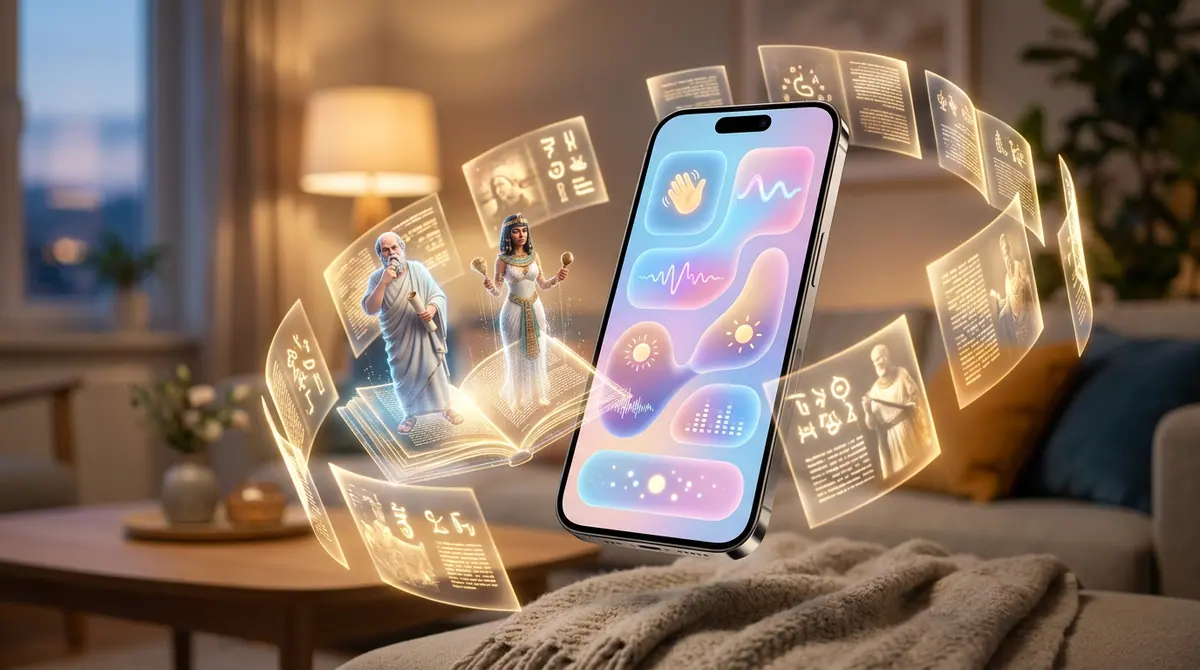
Imagine your smartphone sensing your stress levels after a long day of meetings and automatically dimming its interface to a soothing lavender hue, simplifying your notifications, and prioritizing calming music. This is no longer the stuff of science fiction. At the virtual Android Show held on May 10, 2026, Google unveiled a transformative vision for Android 16 that moves beyond static icons and toward what researchers are calling vibe-coded interfaces.
According to a report by TechCrunch, these new AI-driven widgets utilize the on-device Gemini Nano engine to analyze contextual data from wearables and user behavior. The result is a UI that adapts to your emotional state in real-time. If the system detects high-focus activity, it streamlines the visual clutter; if it senses a festive environment, the aesthetic shifts to something more vibrant and energetic. This marks a fundamental shift in how we interact with our devices, moving from tools we command to partners that anticipate our needs.
Googlebooks and the Immersive Reading Shift
The innovation did not stop at the home screen. Google also announced a massive rebranding of its literary ecosystem, now known as Googlebooks. As detailed in a live blog by The Verge, this platform integrates augmented reality (AR) and virtual reality (VR) to create immersive reading experiences. By leveraging the Circle to Search feature, readers can now instantly translate text into over 50 languages or visualize historical settings in 3D while reading a biography. This development is widely seen as a precursor to the upcoming Pixel 10 hardware, signaling Google's intent to dominate the spatial computing market.
Context Box: The Gemini Nano Engine
At the heart of these updates is Gemini Nano, Google's most efficient AI model designed specifically for on-device processing. Unlike cloud-based AI that requires an internet connection and raises data latency issues, Gemini Nano runs locally on your phone's processor. This allows for the high-speed mood detection and AR rendering seen in Android 16 while keeping the most sensitive biometric data on the device itself, though privacy advocates remain cautious.
Why It Matters: The Human-Tech Synergy
This shift toward vibe-coded technology represents the next major frontier in user experience. For years, customization was about choosing a wallpaper or an icon pack. Now, as noted by 9to5Google, the operating system is becoming fluid. For the average user, this means less time spent fiddling with settings and more time in an environment that supports their mental well-being. However, this level of integration has sparked a debate. A recent analysis by the Electronic Frontier Foundation (EFF) raised concerns regarding on-device AI data hoarding, questioning whether users can truly opt out of such deep emotional monitoring.
Getting the Gear: The May Tech Surge
To take advantage of these heavy AI features, users will need the latest hardware, and the timing couldn't be better. We are currently seeing a massive surge in tech accessory and hardware discounts. According to data from Wired, companies like Nomad Goods are offering 25 percent off premium leather cases and MagSafe accessories to clear inventory ahead of the summer season. Similarly, Dell has slashed prices by 20 percent on its XPS AI PCs, which are powered by the latest Intel Lunar Lake chips. Even LG is joining the fray, with reports from RetailMeNot indicating 20 percent discounts on OLED displays that integrate with the new Android ecosystem.
What to Watch Next
The industry is now looking toward June, when Apple is expected to respond with its own AI intelligence features at WWDC. As Google rolls out the vibe-coded widget beta to Pixel 8 and newer devices this week, the race for emotional AI dominance is officially on. Watch for third-party developers to begin utilizing the new Material You 3.0 haptic feedback APIs, which will allow apps to literally feel different depending on the context of your day. We are moving toward a future where your phone doesn't just show you the world, it feels it with you.
Final Takeaway
The innovations revealed this week prove that the next generation of technology will be defined by empathy and immersion. Whether it is through a keyboard that pulses with your heart rate or a book that comes to life in your living room, the barrier between the digital and the emotional is dissolving. The tech world is no longer just building faster processors; it is building a more intuitive way to live.
Sources (10)
Discussion (0)
Commenting as
No comments yet. Be the first to share your thoughts!
The discussion could not be loaded. Please refresh the page.
AI researcher turned science communicator


