Your Mac Is Not a Fortress: How the New ClickFix Scam Steals Your Keychain
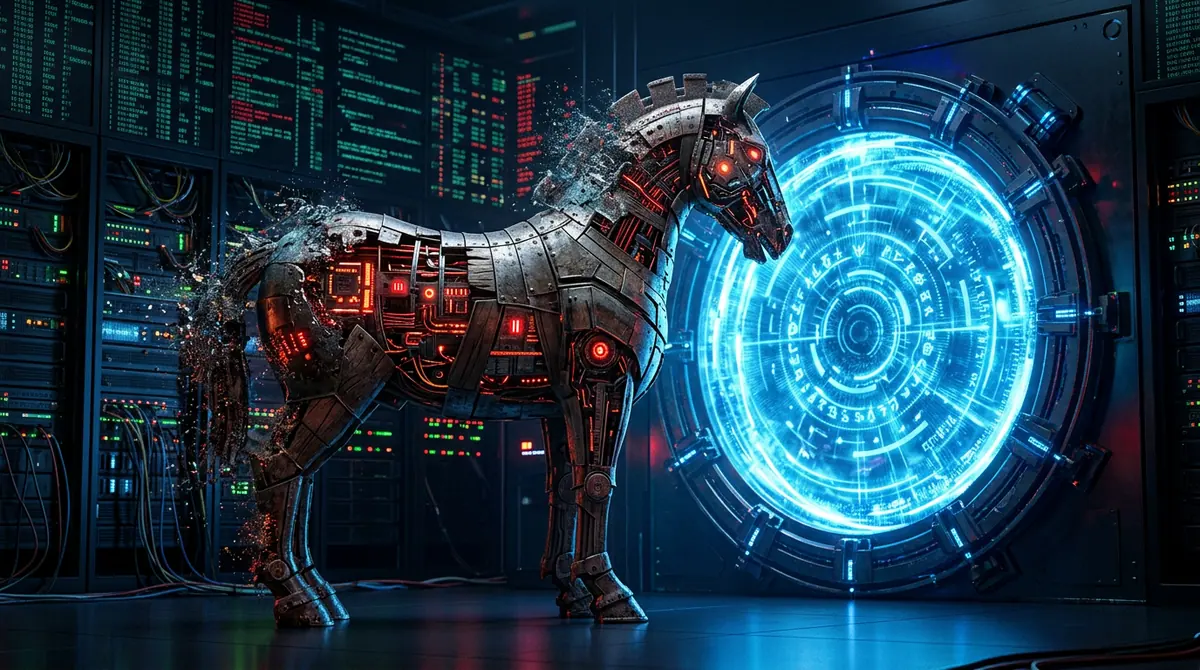
A sophisticated new social engineering campaign dubbed ClickFix is bypassing macOS defenses by tricking users into running malicious Terminal commands via fake Cloudflare CAPTCHA pages.
Key takeaways
- The ClickFix campaign uses fake CAPTCHA pages to trick Mac users into pasting malicious Terminal commands.
- Infiniti Stealer is a new Python-based malware compiled with Nuitka to evade detection on macOS.
- The malware targets sensitive data including Keychain, browser credentials, and cryptocurrency wallets.
- This shift demonstrates that macOS is no longer a low-priority target for sophisticated social engineering.
The Illusion of Verification
Your computer displays a standard, professional-looking Cloudflare verification screen, and you click the familiar button to prove you are human, but within seconds, your entire digital life has been vacuumed up by a hidden adversary. This is the terrifying reality of the ClickFix campaign, a sophisticated social engineering tactic that has officially pivoted from Windows to target Apple users with a new piece of malware known as Infiniti Stealer. According to a detailed technical report by Malwarebytes, this attack does not rely on complex software exploits that bypass security patches; instead, it exploits the most vulnerable component of any system: the person sitting behind the keyboard.
The Psychology of the ClickFix Tactic
The brilliance of the ClickFix method lies in its simplicity. Rather than trying to sneak a file past Apple's Gatekeeper or XProtect systems, the attackers use a fake CAPTCHA page to trick users into performing the infection themselves. As SecurityWeek recently reported, these pages mimic the ubiquitous Cloudflare check and instruct the user to press a specific key combination, such as Command+Space, to open the Terminal and paste a string of code. Because the user is the one initiating the command, the operating system assumes the action is legitimate. This bypasses the traditional red flags that modern antivirus software looks for, as the user has essentially given the malware a VIP pass into the system.
Inside the Infiniti Stealer
Once the malicious command is executed, it triggers a sophisticated infection chain. Initially tracked under the name NukeChain, the malware was later identified as Infiniti Stealer after researchers gained access to its operator panel. Unlike many older Mac threats that used clunky scripts, Infiniti Stealer is a modern, Python-based tool compiled with Nuitka. According to findings from Recorded Future, using Nuitka allows the attackers to turn their Python code into native executable binaries, making it significantly harder for security researchers to reverse-engineer and for detection engines to flag as malicious.
Why it Matters
This development marks a significant shift in the threat landscape for macOS. For years, Mac users enjoyed a sense of relative safety compared to their Windows-using counterparts, but that era is coming to an end. The Infiniti Stealer specifically targets highly sensitive data, including Chromium and Firefox credentials, Keychain data, cryptocurrency wallets, and even .env files which often contain secret API keys for developers. As Cybersecurity News noted, the malware even takes periodic screenshots and exfiltrates the data via HTTP POST requests, often sending live alerts to the attacker via Telegram. This is not just a nuisance; it is a full-scale invasion of privacy designed to drain financial accounts and hijack digital identities.
Context Box: The ClickFix Evolution
ClickFix is a specific category of social engineering that masquerades as a technical fix for a common web problem. It started on Windows by mimicking Google Chrome update errors or Word document loading failures, forcing users to run PowerShell commands. By adapting these tactics for macOS with platform-specific instructions, the threat actors are proving that their methods are OS-agnostic. They are targeting the human behavior of following instructions to solve a perceived technical hurdle.
What is New?
The jump to macOS is the primary delta here. While ClickFix has haunted Windows environments for months, the emergence of a dedicated macOS variant using Nuitka-compiled Python is a fresh development. Previously, macOS malware was often less polished or relied on older delivery methods. The integration of the Infiniti Stealer with high-quality lures hosted on legitimate platforms like Cloudflare Pages, Squarespace, and Tencent EdgeOne shows an increased level of investment and professionalization among Mac-focused cybercriminals.
How to Protect Yourself
The first and most important rule of modern digital hygiene is to never paste code into your Terminal or Command Prompt that you did not write or do not fully understand. No legitimate service, including Cloudflare, Google, or Microsoft, will ever ask you to copy and paste a script into your system's command line to solve a browser error or pass a CAPTCHA. If a website claims your browser is broken and provides a button to fix it by running a command, it is a scam. Furthermore, use hardware security keys for your most important accounts, as even a stolen password and Keychain file cannot bypass a physical U2F key.
What to Watch Next
We should expect to see an increase in these interactive social engineering attacks. As automated defenses like AI-driven antivirus get better at catching malicious files, attackers will lean harder into tricking users into doing the heavy lifting. We may soon see these ClickFix pages being delivered through even more convincing channels, such as deepfake video tutorials or AI-generated support chats. The industry must move toward better education and perhaps more restrictive default settings for command-line interfaces to prevent unsuspecting users from inadvertently opening the gates to their own digital fortresses.
Sources (6)
Discussion (0)
Commenting as
No comments yet. Be the first to share your thoughts!
The discussion could not be loaded. Please refresh the page.
Robotics and automation industry analyst