
The VR Revolution Hits Mainstream: How Meta is Aggressively Pricing the Future
Meta is slashing prices and offering unprecedented incentives for the Quest 3 this May, marking a pivotal shift from niche gadget to household essential.
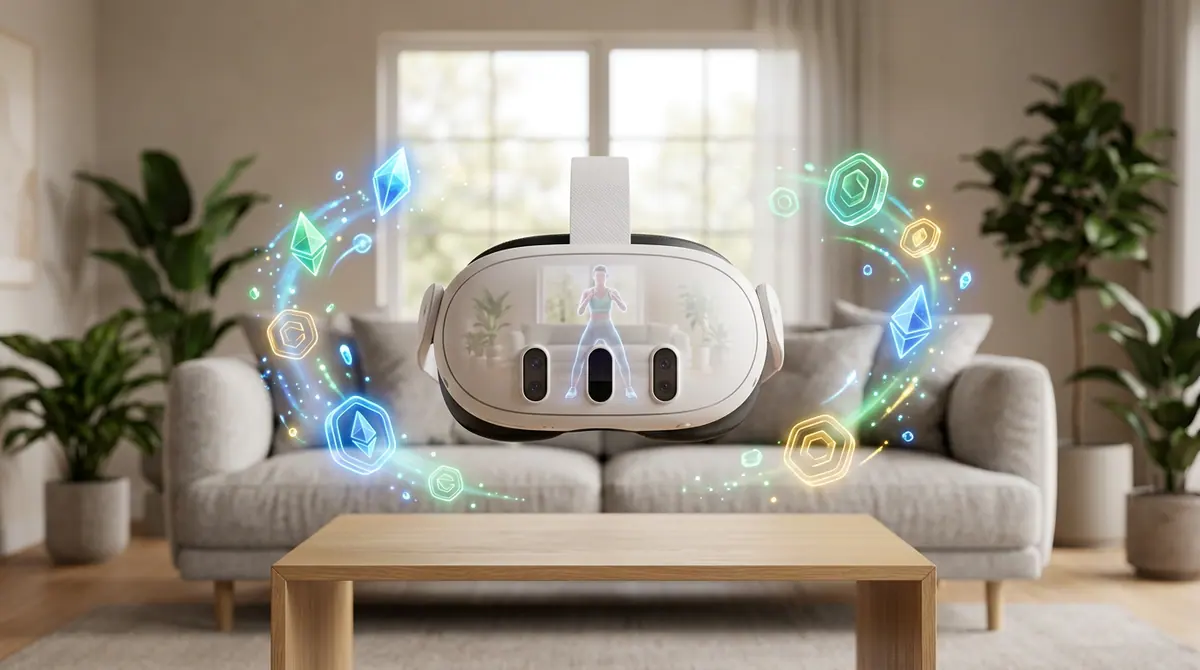
Key takeaways
- Meta is using aggressive Quest Cash incentives and gift cards to lower the barrier for the Quest 3 512GB model.
- The 2026 strategy heavily emphasizes VR fitness, evidenced by deep discounts on Supernatural subscriptions.
- Referral programs offering $30 credits to both parties remain a primary driver for platform growth and social adoption.
- The focus has shifted from selling hardware specs to selling a complete, subsidized digital ecosystem.
The Great Virtual Reality Accessibility Pivot
Imagine a world where professional-grade spatial computing costs less than a mid-range smartphone. That future arrived faster than most analysts predicted. As of May 2026, we are witnessing a massive strategic shift in the mixed reality landscape. While high-end headsets have long been the playground of tech enthusiasts and hardcore gamers, Meta is now making an aggressive play for your living room, your home gym, and even your home office through a series of unprecedented financial incentives.
The Hardware Hook: Quest Cash and Gift Cards
The flagship Meta Quest 3, specifically the robust 512GB model, has become the center of a major push for adoption. According to a recent report by TechRadar, buyers are now being greeted with 30 dollars in Quest Cash upon purchase, effectively providing a digital wallet for users to populate their new devices immediately. This move is more than just a simple discount; it is a calculated attempt to jumpstart the ecosystem for new users.
Furthermore, the retail strategy has expanded beyond Meta's own storefront. Information compiled by Groupon shows that orders exceeding 380 dollars are currently eligible for 45 dollar gift cards, a promotion slated to run through July 1, 2026. By layering these incentives, the effective price of entry for high-tier mixed reality has dropped to its most competitive level since the hardware's debut.
The Supernatural Surge: Fitness as the Killer App
One of the most compelling aspects of this May 2026 push is the focus on health and wellness. For many, the hurdle to VR adoption is the question of utility: what do I actually do with it? Meta's answer is clear: you get in the best shape of your life. As noted in a recent breakdown by Tom's Hardware, new headset purchases now include a significant 49.99 dollar discount on annual subscriptions to Supernatural, the premier VR fitness platform. This offer, expiring May 15, 2026, positions the Quest 3 not just as a gaming console, but as a piece of essential home gym equipment.
What Changed: From Early Adopters to Everyday Users
Historically, the innovation cycle of VR was defined by high costs and tethered experiences. What is new in this 2026 landscape is the shift toward a frictionless economy. Meta is no longer just selling a headset; they are selling a subsidized entry point into a digital lifestyle. By offering 10 percent discounts on games and add-ons, as highlighted by SimplyCodes and PC Gamer, the company is ensuring that the software barrier is just as low as the hardware barrier.
Why It Matters: The Power of Social Referrals
The most innovative part of this rollout might not be the hardware itself, but the social engineering behind its growth. Data from VRDB and YouTube tech reviews indicates that Meta's referral program remains one of the most generous in the industry. By offering 30 dollars in store credit to both the referrer and the new customer, Meta has turned its existing user base into a massive, decentralized marketing department. This peer-to-peer growth strategy is essential for a technology that often has to be experienced to be believed.
Context for Newcomers
For those just joining the spatial computing revolution, the Meta Quest series represents the gold standard for standalone virtual reality. Unlike previous generations that required expensive gaming PCs and tangled wires, these headsets contain all the necessary computing power right on your face. Since the launch of the original Quest, the industry has pivoted toward making mixed reality a daily habit rather than a niche hobby, focusing on comfort, high-resolution passthrough, and a robust library of fitness and productivity apps.
What to Watch Next
As these promotions drive hardware into millions of new homes this quarter, the industry will be watching the software retention rates closely. We should expect a wave of new social-first applications to launch this summer to capitalize on the expanded user base. Additionally, keep an eye on competing manufacturers; if Meta's aggressive pricing strategy succeeds in dominating the market share this spring, rivals may be forced to respond with their own hardware subsidies or risk being permanently sidelined in the race for the metaverse.
A Turning Point for Innovation
The current landscape suggests that we are past the point of questioning whether VR will succeed. The question now is simply how quickly it will become ubiquitous. Through a combination of hardware incentives, fitness-focused partnerships, and a powerful referral network, the barriers to entry are effectively dissolving. This May 2026 push may very well be remembered as the moment spatial computing finally became for everyone.
Sources (8)
Discussion (0)
Commenting as
No comments yet. Be the first to share your thoughts!
The discussion could not be loaded. Please refresh the page.
Digital transformation writer and startup advisor


