
The Terminal Vulnerability: How One API Key Exposed 8.7 Million Travelers
A single JavaScript mistake exposed the travel details of millions. As FulcrumSec threatens to leak 86GB of Manchester Airports Group data, the world faces a new era of API-driven theft.
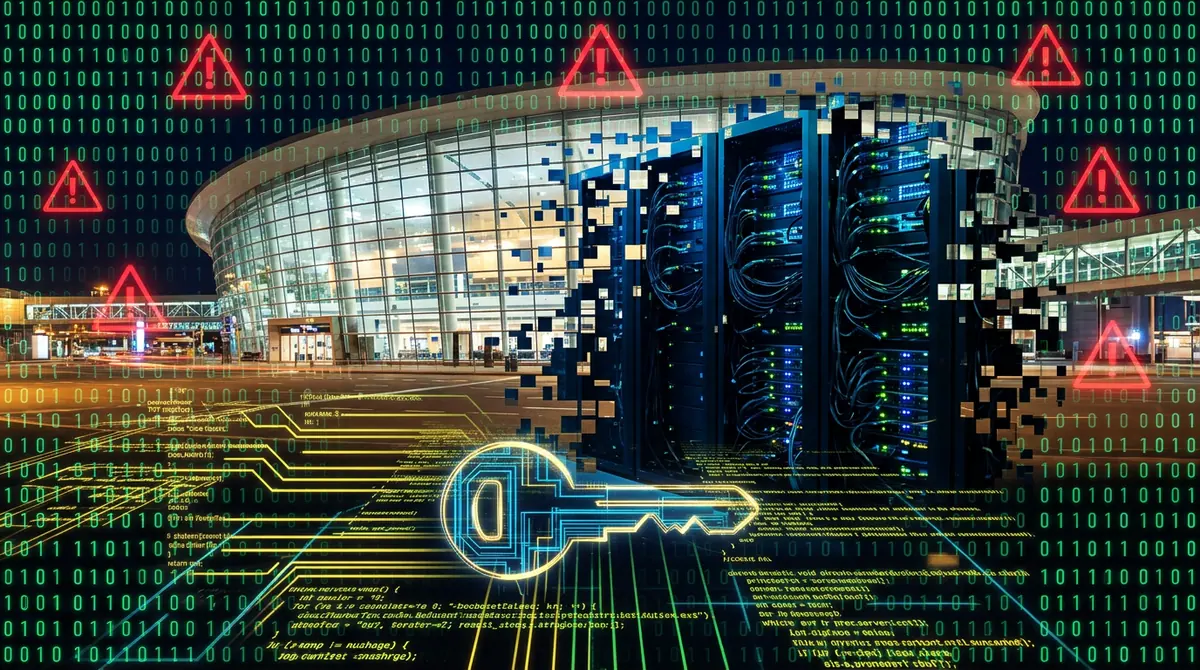
Key takeaways
- The MAG breach originated from exposed API credentials in client-side JavaScript, highlighting a critical failure in web security hygiene.
- Up to 8.7 million customers may be affected, with stolen data including travel history, vehicle information, and personal engagement records.
- This incident is part of a larger 2026 trend where attackers target APIs and authenticated sessions rather than traditional password-based entry.
- Users should remain vigilant for targeted phishing and physical theft risks associated with the exposure of travel and home-vacancy schedules.
A Hidden Door to Millions of Records
Imagine checking your flight status only to realize that a hacker is simultaneously reviewing your car license plate, your home address, and your entire travel history. This nightmare scenario became a reality for customers of Manchester Airports Group (MAG) as an extortion collective known as FulcrumSec claimed responsibility for a massive data breach affecting millions of travelers. The group asserts that it has successfully exfiltrated approximately 86 gigabytes of sensitive data from the organization, which operates major hubs including Manchester, London Stansted, and East Midlands airports.
According to a report by Tech-Insider, the entry point for this massive heist was not a sophisticated brute-force attack on a firewall, but rather a simple oversight in web development. The attackers allegedly discovered exposed API credentials for a marketing service called Iterable, which were sitting in plain sight within client-side JavaScript code. This digital key allowed the group to migrate from the public-facing website into the backend customer and marketing systems that house the personal details of up to 8.7 million travelers. SecurityWeek added that while the company previously attributed the incident to a third-party database, the scale of the exposed data suggests a much deeper penetration into customer engagement systems.
What Has Changed in the Threat Landscape
In previous years, data breaches were often the result of stolen passwords or unpatched servers. However, this incident highlights a significant shift in how cybercriminals operate in 2026. Attackers are increasingly targeting the connective tissue of the internet: the Application Programming Interfaces (APIs) that allow different software services to talk to one another. By finding a single exposed key in a website's code, hackers can bypass traditional security perimeters entirely. This method is particularly dangerous because it exploits the trust between a primary company and its third-party service providers, turning a marketing tool into a master key for the entire castle.
Why This Matters for Every Traveler
The implications of this breach extend far beyond simple email addresses. Based on research validated by BleepingComputer, the stolen records appear to include detailed booking and travel history, vehicle information for parking, IP addresses, and specific customer engagement data. For the average traveler, this is a goldmine for secondary crimes. A criminal who knows exactly when you are at the airport also knows exactly when your house is empty. Furthermore, the possession of vehicle and parking data makes individuals targets for physical theft or sophisticated phishing scams that appear to come from the airport’s official billing department.
Context: The Danger of Client-Side Exposure
For those new to the world of web security, it is helpful to think of a website as a restaurant. The front end is the dining room where customers see the menu and interact with staff (this is the client-side JavaScript). The back end is the kitchen where the actual food and sensitive recipes are kept. A secure website keeps its secret ingredients and keys in the kitchen. In the case of the Manchester Airports Group breach, the restaurant essentially left the key to the pantry sitting on a table in the middle of the dining room, allowing any passerby to pick it up and walk right into the storage area.
A Broader Trend of Session and Access Theft
The MAG incident is not an isolated case of identity and access failure. As reported in recent security bulletins, the enterprise platform ServiceNow recently patched three critical vulnerabilities, including CVE-2026-18885, which allowed unauthenticated attackers to execute code and modify data. These flaws, which received the highest possible severity score of 10.0, show that even massive enterprise systems are struggling to keep their doors locked. Similarly, the AI company Anthropic recently warned its users that infostealer malware is being used to hijack active login sessions. This trend suggests that attackers are moving away from trying to guess your password and are instead focusing on stealing the digital tokens that prove you are already logged in.
What to Watch Next
As we move through 2026, expect a massive industry-wide push toward "Zero Trust" architectures that do not rely on static API keys embedded in code. We are likely to see more organizations adopting automated scanning tools that specifically look for exposed credentials in their public websites before hackers can find them. For the public, the next few months will be a test of how these airports handle the fallout. If FulcrumSec follows through on its threat to leak the 86GB of data, the resulting identity theft wave could be one of the largest the travel industry has seen this decade.
Conclusion
The Manchester Airports Group breach serves as a stark reminder that in the digital age, a single line of misplaced code can have global consequences. Whether it is a travel hub, an AI platform like Anthropic, or an enterprise giant like ServiceNow, the message is clear: the focus of defense must shift to securing APIs and authenticated sessions. For you, the user, the best defense remains vigilant monitoring of your accounts and assuming that in an era of constant breaches, your data is only as secure as the weakest link in a company's third-party chain.
Sources (5)
Discussion (0)
Commenting as
No comments yet. Be the first to share your thoughts!
The discussion could not be loaded. Please refresh the page.
AI researcher turned science communicator