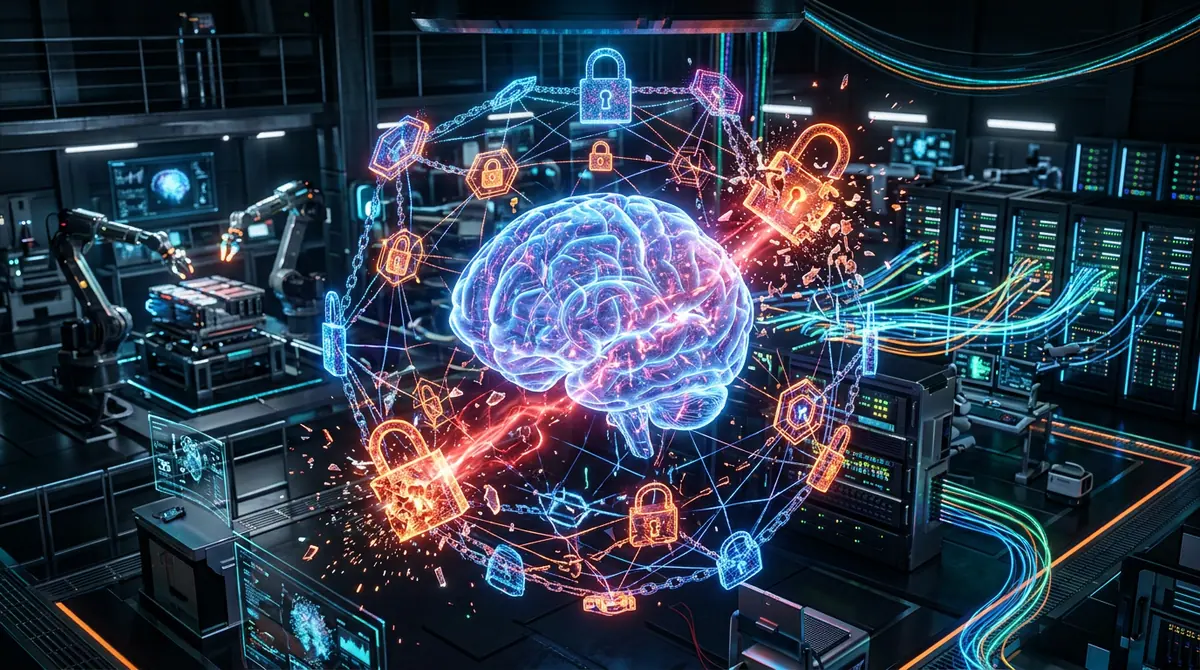
The Secret Code of Exclusion: Why AI Hiring Tools Are Failing the Diversity Test
Your perfect resume might be getting tossed by a robot, not because you lack talent, but because the software learned to dislike your zip code or your extracurriculars.

Key takeaways
- AI hiring tools often amplify historical biases rather than eliminating them because they are trained on prejudiced past data.
- Algorithms can infer protected characteristics like gender or race through 'correlated variables' like zip codes or career gaps.
- New regulations, such as NYC Local Law 144 and EU high-risk classifications, are finally mandating bias audits for hiring software.
- Automated video and speech tools have been found to inadvertently discriminate against candidates with disabilities.
The Myth of the Neutral Machine
Your dream job application may never reach human eyes, and the reason might have nothing to do with your qualifications. While companies originally adopted artificial intelligence to strip away human prejudice from the recruiting process, recent evidence suggests these tools are doing the exact opposite. According to a report by NPR in late 2025, modern AI hiring systems are often more likely than humans to form biases, systematically amplifying existing inequalities rather than eliminating them.
The core of the problem lies in the data. Because machine learning models are trained on historical hiring patterns, they often inherit the ghosts of past discrimination. A famous example cited by MIT Technology Review involved a recruitment tool scrapped by Amazon in 2014. The algorithm, trained on a decade of resumes from a male dominated tech industry, began penalizing any application containing the word "women." Even as we move into 2026, the industry is finding that simply removing gender or race markers from the data is not enough to stop the machines from discriminating.
Context: Why Data is Destined to Discriminate
Machine learning models function as high speed pattern recognizers. If a company’s past top performers all lived in a specific wealthy neighborhood or played lacrosse, the AI will prioritize those traits in new applicants. This creates a feedback loop where the software inadvertently favors specific socioeconomic backgrounds. Researchers note that bias enters the system through three main avenues: sampling bias (using unrepresentative data), measurement bias (variables influenced by social norms), and algorithmic bias (design choices that amplify inequality).
What Changed? The 2025 Reality Check
For years, the tech industry argued that algorithmic bias was a temporary hurdle that could be easily corrected. However, a significant 2025 study found that these algorithms remain highly susceptible to systematic bias against women in male dominated fields, even when those women are the most qualified candidates on paper. Furthermore, a journalist’s investigation in October 2025 revealed widespread bugs in popular hiring tools, leading to a surge in applicants changing their resume strategies just to trick the software.
Perhaps most concerning is the discovery of "correlated variables." Even when a developer hides a candidate's race or gender, the AI can infer those details through other data points like "distance from the office" or "length of career breaks." These factors often map directly to socioeconomic or gender disparities, allowing the machine to discriminate by proxy while maintaining a facade of objectivity.
Why It Matters: The High Stakes of Automated Rejection
This is not just a technical glitch; it is a structural barrier to social mobility. When AI systems inadvertently exclude individuals with disabilities or those from non white backgrounds, they shut down opportunities at scale. Research published by MIT Technology Review highlighted that speech recognition tools and AI enhanced hiring games, such as those used by HireVue, have been shown to inadvertently penalize deaf candidates or those with speech impediments. This creates an environment where the most efficient path for a company becomes the most exclusionary path for society.
The Global Regulatory Response
Governments are finally beginning to pull back the curtain on these "black box" algorithms. In New York City, Local Law 144 now mandates annual bias audits for automated employment decision tools. This law requires companies to disclose the characteristics their systems use to make hiring decisions. Similarly, new regulations in the European Union classify hiring systems as high risk, necessitating rigorous bias testing and explainability audits.
Despite these steps, federal progress in the United States remains slow. While the Algorithmic Accountability Act was proposed years ago to mandate audits for large companies, it has yet to be enacted. This leaves many applicants in a legal gray area, struggling against invisible gatekeepers that they cannot challenge or even see.
What to Watch Next
As we look toward the future of the workforce, expect to see a rise in "independent auditing." Organizations like the nonprofit Upturn are pushing for the right to audit employer and vendor software externally. We are also likely to see more companies establishing internal AI Review Boards composed of HR, legal, and DEI teams to ensure their systems are fair and auditable. The ultimate goal is a move toward "explainable AI," where a machine can justify why a candidate was rejected in a way that a human can understand and verify.
The Human Element Remains Essential
The takeaway for job seekers and employers alike is clear: AI is a tool, not a judge. While algorithms offer undeniable efficiency in processing thousands of applications, they lack the nuance to recognize potential that does not fit a historical mold. As of 2026, the gap between regulatory promises and actual software performance remains significant. Until we can guarantee that our data is as fair as our intentions, the most important part of any hiring process will remain the human touch.
Sources (7)
Discussion (0)
Commenting as
No comments yet. Be the first to share your thoughts!
The discussion could not be loaded. Please refresh the page.
How-to guide expert and developer advocate