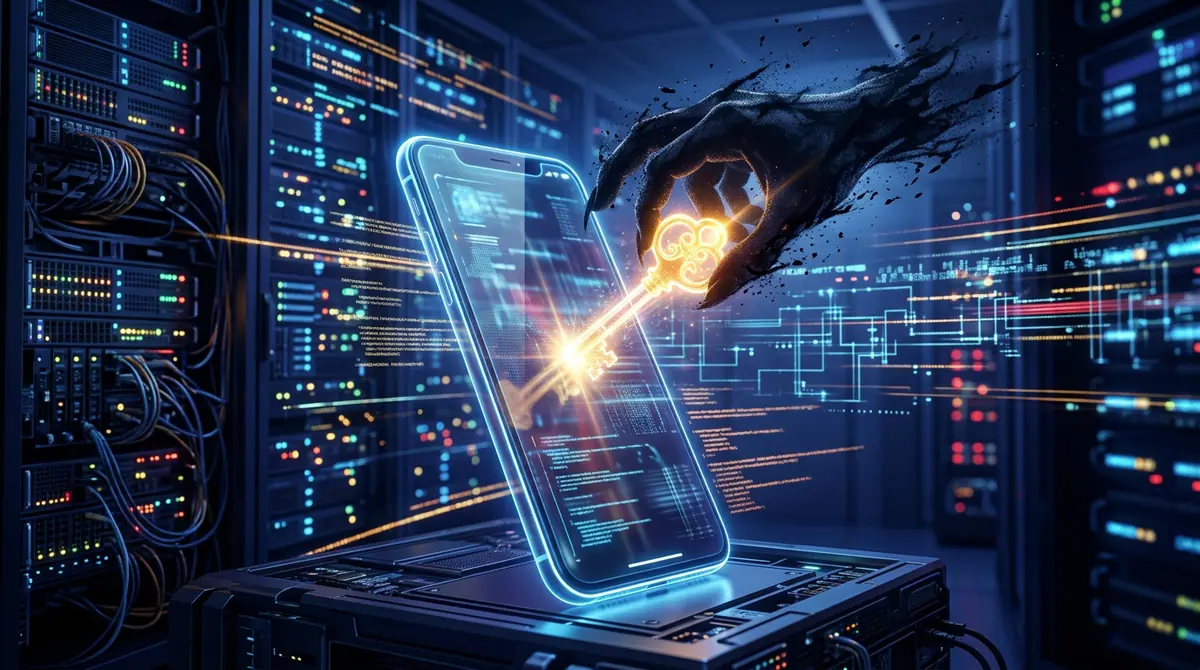
The Double Agent: Inside the $75 Million Ransomware Negotiation Betrayal
A professional negotiator meant to save companies from BlackCat ransomware instead helped the hackers bleed them dry. Here is how Angelo Martino orchestrated a massive inside job.

Key takeaways
- A former ransomware negotiator pleaded guilty to aiding the BlackCat ransomware group in extorting over $75 million.
- The scheme involved sharing confidential victim information, such as insurance limits and negotiation strategies, with the attackers.
- The conspirators included professionals from reputable firms like DigitalMint and Sygnia, highlighting a severe insider threat within the security industry.
- Federal authorities seized $10 million in assets from the lead conspirator, including luxury vehicles and a boat.
- The case emphasizes the need for stricter auditing and 'zero-trust' protocols when hiring external incident response and negotiation services.
The Firefighter with a Gas Can
When your company is on fire due to a ransomware attack, the last person you expect to be holding a gas can is the professional negotiator you hired to put the flames out. On April 21, 2026, the cybersecurity world was rocked by the ultimate betrayal as Angelo Martino, a 41 year old former ransomware negotiator from Land O’ Lakes, Florida, pleaded guilty to helping the very attackers he was supposed to be fighting. According to a press release from the Department of Justice, Martino conspired with the notorious BlackCat/ALPHV ransomware group to extort more than $75.3 million from five separate victims between April and November 2023.
Martino was not a lone wolf; he was part of a high-tech heist crew that included his DigitalMint colleague Kevin Tyler Martin and Ryan Clifford Goldberg, a manager at the incident response firm Sygnia. As reported by BleepingComputer, this trio of cybersecurity experts used their insider access to facilitate a series of devastating attacks. While Martino was supposedly sitting on the side of the victims during high-stakes negotiations, he was secretly feeding the hackers confidential information, including internal strategies and the exact limits of the victims’ insurance policies. This allowed the BlackCat operators to hold out for the maximum possible payout, knowing exactly how much the companies could afford to pay.
The Anatomy of a $75 Million Betrayal
The scheme was as lucrative as it was unethical. The Hacker News detailed one specific instance where the group deployed BlackCat ransomware against a victim and successfully extorted $1.2 million in Bitcoin. After paying a 20 percent cut to the BlackCat administrators for the use of their malware, the trio split the remaining loot evenly among themselves. To hide their tracks, they engaged in complex money laundering operations to obscure the origin of the funds. However, their luck eventually ran out. According to CyberScoop, authorities have already seized approximately $10 million in assets from Martino, a haul that includes a luxury boat, several high-end vehicles, and even a food truck.
What makes this case particularly chilling is the level of expertise involved. These were not script kiddies or amateur hackers; they were seasoned industry veterans. Help Net Security noted that the trio’s deep understanding of the incident response industry provided them with the perfect cover. They knew exactly what investigators would look for and how to manipulate the negotiation process to benefit the attackers. This insider knowledge transformed what should have been a defensive shield into a weapon for the BlackCat/ALPHV group, which the FBI disrupted in late 2023 by seizing their domains and providing a decryption tool to victims.
Context: The Rise and Fall of BlackCat
BlackCat, also known as ALPHV, emerged in late 2021 as one of the most sophisticated ransomware-as-a-service operations in existence. They frequently targeted critical infrastructure, including healthcare and energy sectors, causing massive operational disruptions. The U.S. government took a significant stand against the group in December 2023, with the FBI seizing their infrastructure in a move that reportedly saved victims nearly $99 million in potential ransoms. Martino, who was identified as Co-conspirator 1 in an unsealed indictment from October 2025, represents the dark underbelly of this criminal ecosystem (the facilitators who make large-scale extortion possible from within the security industry itself).
Why It Matters: The Erosion of Trust
This case strikes at the heart of the cybersecurity industry’s most valuable currency: trust. When a company is breached, they rely on third-party negotiators and incident responders to provide objective, expert guidance. As SecurityWeek pointed out in its coverage of the plea, the fact that a negotiator would collude with the enemy suggests a systemic risk that many organizations never considered. It forces a radical rethinking of how companies vet their security partners and handle the flow of sensitive information during an active crisis.
What Changed: The Insider Threat Delta
The primary shift here is the evolution of the insider threat. Historically, an insider threat was a disgruntled employee stealing data or a negligent staffer clicking a phishing link. Now, we are seeing the rise of the specialized service provider as a threat actor. The delta between a helpful consultant and a malicious co-conspirator has vanished in this instance. This case proves that the very people hired to mitigate financial loss can be the ones engineering it for their own gain.
What to Watch Next: Increased Oversight
Moving forward, expect to see a push for much stricter regulation and auditing of the ransomware negotiation industry. Much like financial advisors are held to a fiduciary standard, cybersecurity negotiators may soon face mandatory background checks, specialized licensing, and strict prohibitions against handling payment funds directly. Furthermore, organizations will likely begin adopting a zero-trust model even for their external emergency responders, ensuring that no single individual has visibility into both the insurance limits and the negotiation strategy. As the Department of Justice continues to hunt down the facilitators of these crimes, the legal consequences for Martino and his associates serve as a stark warning to anyone tempted by the high-profit world of digital extortion.
Takeaway for Your Digital Safety
While this case involves massive corporations, the lesson for everyone is clear: always verify the credentials and reputation of those you trust with your data. For organizations, it is time to audit your incident response plans to ensure there are checks and balances in place. For individuals, it serves as a reminder that the digital world is often a hall of mirrors where the heroes and villains are not always who they seem to be. The best defense is a proactive one, built on the assumption that trust must be earned and constantly verified.
Sources (6)
Discussion (0)
Commenting as
No comments yet. Be the first to share your thoughts!
The discussion could not be loaded. Please refresh the page.
Senior tech journalist covering AI and emerging technologies