
The $500 Million Data Gold Mine Powering the Future of Robotics
Silicon Valley is shifting its focus from building robot hardware to securing the data that teaches them how to move, as Mecka AI nears a massive new valuation.
Key takeaways
- Mecka AI is nearing a $500 million valuation in a Sequoia-led deal, highlighting the massive value of robot training data.
- The robotics industry is shifting its focus from hardware to the 'embodied data' pipelines that teach machines how to move in the physical world.
- Data infrastructure is now seen as the primary bottleneck for developing general-purpose robots that can handle real-world tasks.
The Messy Reality of Robot Education
The physical world is unpredictable, chaotic, and for a robot, incredibly confusing; however, a new wave of startups is turning that chaos into a multibillion dollar gold mine. While the public remains fascinated by humanoid robots that can dance or flip, the industry’s most sophisticated investors have identified a much more lucrative bottleneck: the data required to train these machines. Without massive amounts of high quality motion and manipulation data, even the most expensive hardware is little more than a sophisticated paperweight.
According to a report by TechCrunch published on Friday, September 11, 2026, a startup called Mecka AI is currently nearing a 500 million dollar valuation. This significant milestone is part of a deal led by Sequoia, one of the most prestigious venture capital firms in the world. The surge in valuation signals a definitive shift in the artificial intelligence landscape. We are moving past the era of chatbots and into the era of embodied AI, where the primary challenge is no longer just processing text, but mastering physical movement.
The Context Box: What is Robot Training Data?
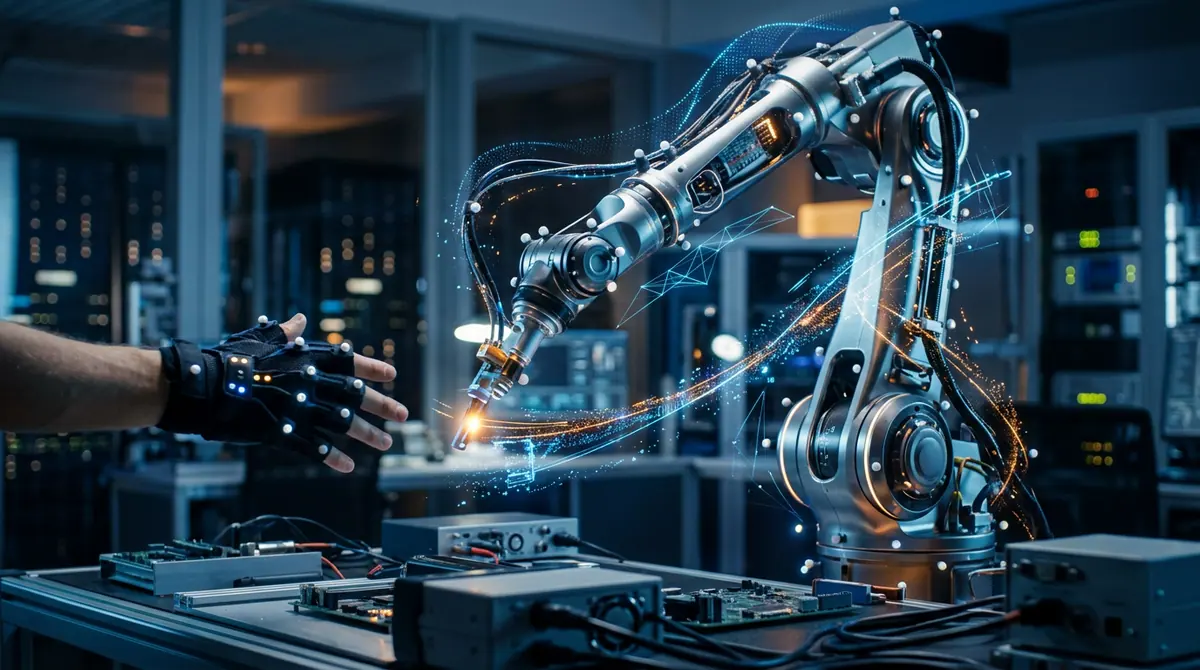
For newcomers to the field, robot training data, often called embodied data, is the collection of information that tells a machine how to interact with the physical world. Unlike Large Language Models (LLMs) that learn from the internet's vast trove of text, robots need data on how to grip a glass, navigate a crowded hallway, or adjust their strength when picking up a delicate object. This data is traditionally gathered through teleoperation, where humans wear VR suits to guide robots, or through complex simulations. Mecka AI focuses on the infrastructure that collects, labels, and structures this data, creating a pipeline that allows robots to learn from real world motion.
Why the Data Pipeline is the New Bottleneck
The rush to fund Mecka AI highlights a strategic pivot in the robotics industry. For years, the focus was on building the perfect mechanical hand or the most stable legs. Yet, as hardware has become more commoditized and reliable, the software has lagged behind. The TechCrunch framing of the investment suggests that investors now see high quality embodied data pipelines as the primary constraint on robotics development. If you cannot provide a robot with millions of examples of how to open different types of doors, it will never be useful in a home or office environment.
This is why Mecka AI is being placed in the same strategic category as the data infrastructure startups that powered the first wave of AI. By focusing on the collection and structuring of manipulation data rather than the robots themselves, Mecka AI is positioning itself as the essential tollbooth for any company trying to build a general purpose robot. It is a classic pick and shovel play: while others are digging for gold by building humanoids, Mecka AI is selling the specialized tools everyone needs to succeed.
What Changed: From Scripted Motion to Data-Driven Learning
In the past, robots were programmed with specific, rigid instructions for every task. If a box moved two inches to the left, the robot would fail. Today, the industry has shifted to a data driven approach where robots learn through observation and repetition. This new model requires an astronomical amount of diverse data to ensure the machine can handle edge cases. The delta here is clear: we have moved from hard coded engineering to a model where the quality of a robot is directly proportional to the size and variety of its training library.
What to Watch Next
As Mecka AI nears its half billion dollar valuation, expect to see a cascade of similar deals across the robotics sector. The industry is entering a phase of consolidation where companies with the best data pipelines will likely acquire hardware manufacturers to create vertically integrated robotics giants. Furthermore, watch for new methods of data collection; we may see a rise in companies that pay humans to perform household tasks while wearing motion capture suits, all to feed the growing hunger of physical AI models.
For the average consumer, this means the dream of a truly helpful home robot is getting closer. The intelligence required to fold laundry or put away groceries is finally being built, not through better motors, but through the massive scale of human movement data. The real breakthrough in robotics won't just be how the machine looks; it will be how much it has learned from us before it even leaves the factory.
Discussion (0)
Commenting as
No comments yet. Be the first to share your thoughts!
The discussion could not be loaded. Please refresh the page.
Cloud computing specialist and tech trend forecaster