
Microsoft's Robot Revolution: AI Escapes the Data Center!
Microsoft just unveiled its robotics model, signaling a massive shift. AI is leaping from the digital world into the physical. Is this the dawn of truly intelligent robots?
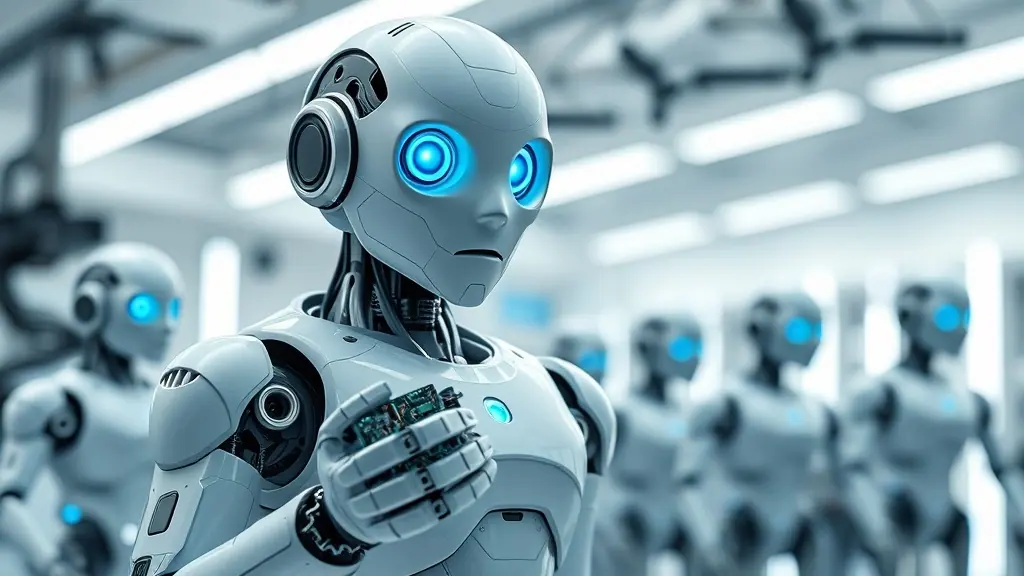
Microsoft Unleashes the Robots: The Physical AI Revolution is Here!
For years, we've watched AI dominate the digital realm, crunching numbers, generating content, and powering our online experiences. But January 25, 2026, marks a pivotal moment: AI is breaking free. Microsoft has officially unveiled its first robotics model, a groundbreaking move poised to redefine the future of automation and physical labor. This isn't just about optimizing factory lines; it's about enabling robots to operate intelligently and autonomously in unpredictable, real-world environments.
Beyond the Assembly Line: A New Era of Robotics
Microsoft's foray into robotics signifies a profound shift in the AI landscape. While industrial robots have been around for decades, they've been largely confined to repetitive tasks in controlled settings. Microsoft's new model aims to create robots capable of:
- Navigating complex terrains: Imagine robots that can traverse uneven surfaces, avoid obstacles, and adapt to changing conditions.
- Performing intricate tasks: From delicate surgeries to complex construction projects, AI-powered robots could execute tasks requiring precision and dexterity.
- Collaborating with humans: The future of work may involve humans and robots working side-by-side, leveraging each other's strengths.
The 'ChatGPT Moment' for the Real World?
The buzz around Microsoft's announcement is palpable. Some experts are even comparing it to the "ChatGPT moment" for physical AI, as declared regarding Nvidia's CES 2026 platforms. Just as ChatGPT democratized access to natural language processing, Microsoft's robotics model could unlock a new wave of innovation in fields ranging from manufacturing and logistics to healthcare and environmental conservation.
The ripple effect across industries
The implications are far-reaching. Consider these potential scenarios:
- Agriculture: Robots could autonomously plant, harvest, and monitor crops, optimizing yields and reducing labor costs.
- Healthcare: Surgical robots could perform complex procedures with greater precision, while robotic nurses could assist with patient care.
- Disaster relief: Robots could be deployed to search for survivors, assess damage, and deliver aid in hazardous environments.
- Logistics and warehousing: ethernovia already raised $90M for Ethernet-based chips optimized for low-latency data movement in vehicles, robotics, and industrial systems. Imagine warehouses run entirely by fleets of intelligent robots.
The Challenges Ahead: Security, Ethics, and Energy
While the potential benefits of physical AI are immense, significant challenges remain. Rushing AI deployments creates security gaps, as highlighted in industry rundowns, with firewall prices rising due to memory shortages. As robots become more integrated into our lives, we must address critical questions about:
- Security: How do we prevent robots from being hacked or manipulated?
- Ethics: How do we ensure that robots are used responsibly and ethically?
- Bias: How do we prevent bias in datasets and the AI models impacting real-world outcomes and decisions?
Furthermore, the energy demands of increasingly complex AI systems cannot be ignored. OpenAI's recent compute deal with Cerebras highlights the growing need for energy-efficient AI infrastructure. As Broadcom's AI ASICs gain traction, potentially challenging Nvidia in energy-efficient data centers. Balancing innovation with sustainability will be crucial in the years to come.
What This Means For You
The rise of physical AI will impact nearly every aspect of our lives. As consumers, we can expect to see more personalized products and services, faster deliveries, and more efficient healthcare. As workers, we may need to adapt to new roles and responsibilities, collaborating with robots and developing skills that complement their capabilities. And as citizens, we must engage in thoughtful conversations about the ethical and societal implications of this rapidly evolving technology.
The Future is Now - Embrace the Change
Microsoft's entry into the robotics space is not just a news story; it's a harbinger of things to come. The era of truly intelligent robots is dawning, and it promises to reshape our world in profound ways. Are we ready for it?
Discussion (0)
Commenting as
No comments yet. Be the first to share your thoughts!
The discussion could not be loaded. Please refresh the page.
EdTech specialist and former computer science educator


