
Meta's Risky Bet: Facial Recognition in Smart Glasses?
Meta is diving headfirst into facial recognition for its smart glasses, sparking privacy concerns. Is this the future of wearable tech, or a step too far? Plus: Meta's quietly acquired a Chinese AI firm...
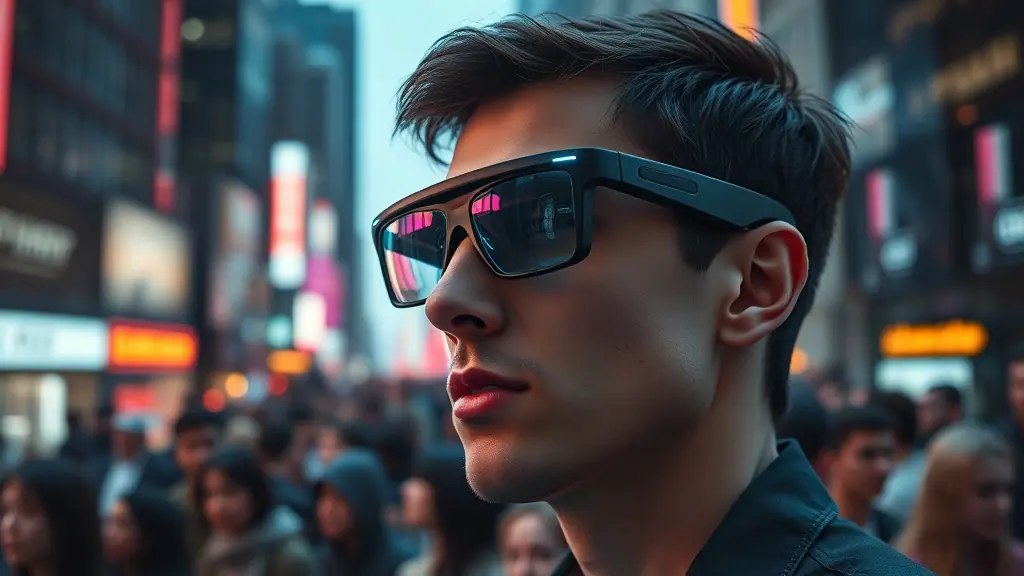
Meta's Gamble: Facial Recognition Smart Glasses Spark Privacy Firestorm
Imagine a world where your glasses instantly identify everyone you see. Sounds like science fiction? Meta is making it a reality, planning to integrate facial recognition into its smart glasses. But this move has ignited a fierce debate: is this a groundbreaking innovation or a privacy nightmare waiting to happen?
The news, surfacing mid-February 2026, has the tech world buzzing. On one hand, the potential applications are tantalizing. Imagine walking into a meeting and instantly knowing everyone's name and role. Picture law enforcement identifying suspects in real-time. Or consider personalized experiences based on who you're interacting with.
But the dark side is equally apparent. Privacy advocates are raising alarms about the potential for misuse and abuse. Could these glasses be used for mass surveillance? What safeguards will be in place to prevent profiling and discrimination? The ethical questions are complex and urgent.
The Technology Behind the Hype
Meta isn't just throwing a feature onto existing hardware. They're investing heavily in the underlying technology. Case in point: Meta's acquisition of Manus, a Chinese AI startup valued at over $2 billion. This acquisition, quietly integrated into Meta's Ads Manager, suggests a deep commitment to AI-powered features for its hardware and advertising ecosystems.
The Privacy Minefield
The biggest concern is the potential for constant, real-time biometric scanning. Imagine walking down the street, and your glasses are continuously identifying and logging everyone you pass. This raises serious questions about data security, consent, and the potential for misuse by governments or malicious actors.
- Data Security: How will Meta protect the massive amounts of biometric data collected by these glasses?
- Consent: How will individuals be informed that they are being scanned and given the opportunity to opt out?
- Misuse: How can we prevent these glasses from being used for discriminatory purposes or mass surveillance?
The Broader Implications
Meta's move could set a precedent for the entire wearable tech industry. If they succeed in normalizing facial recognition in smart glasses, other companies are likely to follow suit. This could lead to a world where we are constantly being monitored and identified, with potentially profound consequences for our privacy and freedom.
Meta's Balancing Act
Meta is walking a tightrope. They need to convince users that the benefits of facial recognition outweigh the privacy risks. This will require transparency, robust security measures, and a clear commitment to ethical use. The company's reputation is on the line, as is the future of wearable tech.
What This Means For You
The decision of whether or not to embrace facial recognition smart glasses is a personal one. It requires weighing the potential benefits against the privacy risks. As consumers, we need to demand transparency and accountability from tech companies. We need to ask tough questions and hold them responsible for protecting our privacy.
The Road Ahead
The future of facial recognition in smart glasses is uncertain. But one thing is clear: this technology has the potential to transform our lives, for better or for worse. It's up to us to ensure that it's used responsibly and ethically. The choices we make today will shape the world of tomorrow.
Conclusion: Meta's gamble on facial recognition in smart glasses is a high-stakes bet with potentially far-reaching consequences. Will it revolutionize the way we interact with the world, or will it usher in an era of unprecedented surveillance? Only time will tell.
Discussion (0)
Commenting as
No comments yet. Be the first to share your thoughts!
The discussion could not be loaded. Please refresh the page.
Machine learning engineer and technical writer


