
Google Pixel 10: The Moment AI Finally Moves Into Your Pocket for Real
Google is set to redefine the smartphone with the Pixel 10 and the custom Tensor G5 chip, moving powerful AI off the cloud and directly onto your device this August.
Key takeaways
- The Pixel 10 will feature the Tensor G5, Google's first fully custom-designed chip on 3nm architecture.
- The August 12 event is expected to showcase 'Pixel Studio,' a new on-device AI content generation tool.
- Hardware upgrades include a potential 200MP main camera sensor and an advanced periscope telephoto lens.
- The shift to on-device AI processing marks a significant improvement in both user privacy and processing speed.
The Intelligence Revolution Is Getting a Hardware Upgrade
Imagine a smartphone that doesn’t just run applications, but actually thinks, creates, and translates your entire world in the blink of an eye without ever needing to send your personal data to a remote server. This is the promise of the Google Pixel 10, a device that marks a definitive shift in the history of mobile technology. According to detailed technical speculation from Ars Technica, Google is preparing to unveil its most ambitious hardware to date at a dedicated event scheduled for August 12, 2026. At the heart of this reveal is the Pixel 10 and its beefed-up sibling, the Pixel 10 Pro, both of which are expected to signal Google’s final divorce from off-the-shelf components in favor of true, custom innovation.
The Power of the Tensor G5
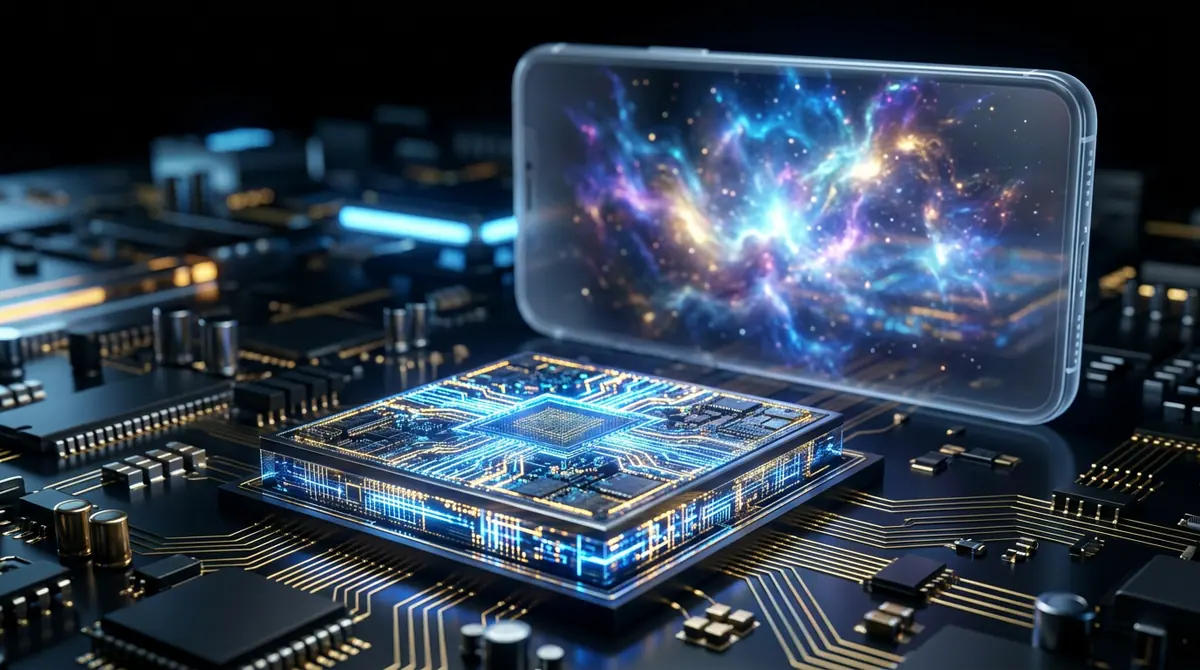
The headline of this launch is undoubtedly the new Tensor G5 chip. For years, Google’s silicon was seen as a modified version of existing architecture, but reports from The Verge indicate that the G5 is a fully custom design built on a cutting-edge 3nm architecture. This isn't just a win for the spec-sheet enthusiasts; it represents a fundamental change in how your phone processes information. By shrinking the architecture to 3nm, Google can pack more transistors into the same space, leading to a massive boost in efficiency and, more importantly, the power of the custom Neural Processing Unit (NPU).
This NPU is the engine behind Google’s aggressive push into on-device AI. While previous generations relied on the cloud to perform heavy lifting for AI tasks, the Pixel 10 is designed to handle those processes locally. As noted in a technical deep dive by Ars Technica, this custom architecture will allow for significantly higher machine learning efficiency. For the user, this means faster response times and a higher level of privacy, as your most sensitive interactions with AI remain on the phone rather than traveling through the internet.
Gemini and the Rise of Pixel Studio
What can you actually do with all that power? TechCrunch reports that Google is planning to highlight deeper integration of its Gemini AI across the entire user experience. This includes real-time voice translation that feels like a natural conversation and predictive text features that understand the context of your life. One of the most anticipated software additions is the rumored Pixel Studio mode. This feature is expected to give users the ability to generate and edit complex AI content directly on the device, potentially turning every Pixel owner into a digital artist or content creator without needing a subscription to expensive cloud-based tools.
The hardware isn’t just about brains, though; it has the brawn to match. Industry analysts cited by Ars Technica suggest the Pixel 10 Pro will feature an upgraded 200MP main sensor and a periscope telephoto lens. This combination, paired with Google's legendary computational photography, could set a new benchmark for mobile imaging, especially in low-light and long-distance scenarios.
Context Box: The Path to Custom Silicon
Since the introduction of the first Tensor chip in 2021, Google has been on a journey to control its own hardware destiny. Much like Apple did with its A-series chips, Google realized that to make AI features truly seamless, it couldn’t rely on generic processors. The Tensor G5 represents the culmination of five years of research and development, moving from a collaborative design with Samsung to a truly bespoke Google processor optimized specifically for Gemini AI models.
What Changed: The Shift to True Customization
The biggest delta between the Pixel 10 and its predecessors is the transition to a fully custom-designed silicon layout. Previous Tensor chips were often criticized for overheating or falling behind in raw performance compared to industry leaders. By moving to the 3nm process and a fully internal design, Google is finally competing on a level playing field with Apple’s M-series and A-series chips. This isn't an incremental update; it is a foundational rebuild of the Pixel’s internal logic.
Why It Matters: The End of Cloud Dependency
For the average consumer, this means the smartphone is no longer just a terminal for the internet. It is becoming an autonomous intelligent agent. The ability to perform real-time photo editing and complex language translation without a data connection is a game-changer for travel, security, and accessibility. Furthermore, as The Verge suggests, this launch could force competitors like Apple and Samsung to accelerate their own AI hardware timelines, sparking a new arms race in the premium smartphone segment.
What to Watch Next
As the August 12 event approaches, keep a close eye on rumors regarding Google’s foldable lineup. There is growing speculation that a new version of the Pixel Fold could debut alongside the Pixel 10, utilizing the same Tensor G5 chip to solve the performance issues that plagued earlier foldable generations. Additionally, watch for Google’s pricing strategy. If they maintain an AI-first pricing model that keeps these high-end features accessible, they could significantly disrupt the market dominance of the iPhone 17 and Galaxy S26. The next decade of mobile tech isn't about how many apps you can download (it is about how much your phone can do for you) and the Pixel 10 appears ready to lead that charge.
Discussion (0)
Commenting as
No comments yet. Be the first to share your thoughts!
The discussion could not be loaded. Please refresh the page.
Senior tech journalist covering AI and emerging technologies


