Forget the Post-Mortem: Why Real-Time AI Intervention is the Future of Learning
Traditional training fixes mistakes after they happen. New AI-driven platforms are intervening at the precise moment of risk, preventing errors before they occur in a revolutionary shift.
Key takeaways
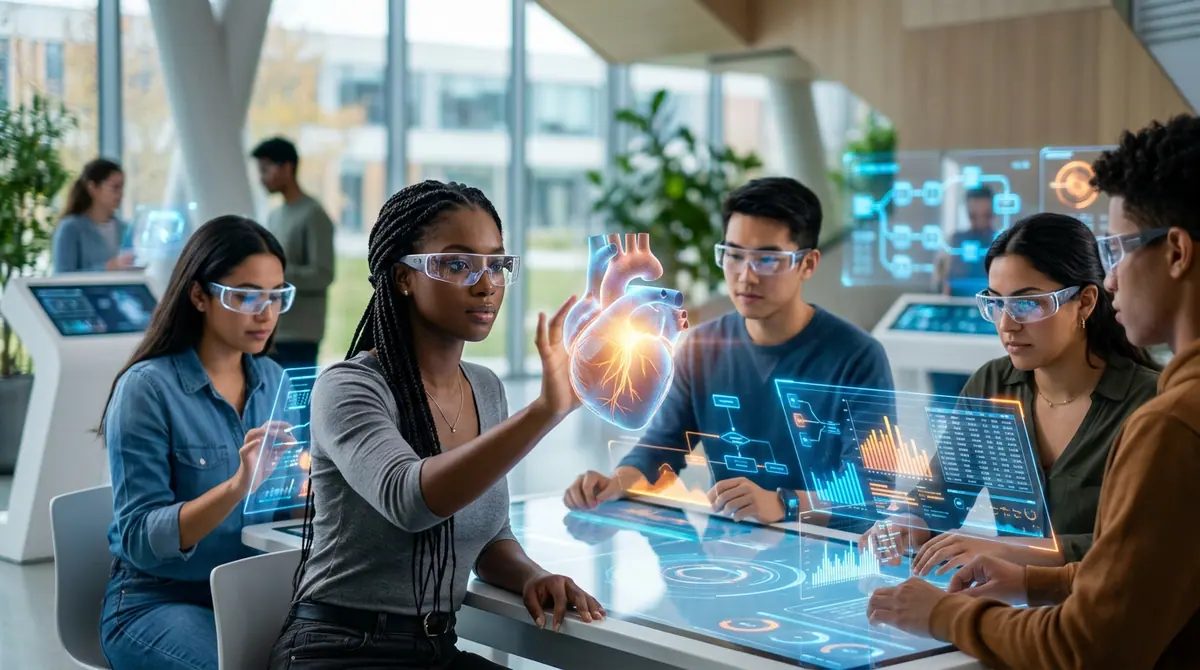
- EdTech is shifting from retrospective reviews to real-time intervention at the 'moment of risk'.
- AI is now being designed to detect learner hesitation and cursor movement to predict and prevent errors before they happen.
- Real-time monitoring has been proven to increase accuracy and safety in high-stakes fields like healthcare, such as the 73% charting rate improvement at LDS Hospital.
- The 2026 focus is on 'predictive support systems' that integrate localization, cultural adaptation, and microlearning in real-time.
The Fatal Flaw in Traditional Training
Imagine a surgeon about to make a critical incision, only to have a digital voice whisper a subtle correction before the scalpel even touches the skin. For decades, the standard approach to education and professional development has been retrospective. We teach a concept, we let the learner try it, and then we review the results to see where they went wrong. But according to a report by eLearning Industry, this post-hoc model is fundamentally flawed because it catches errors only after the cost, whether it is a safety risk, a failed task, or lost revenue, has already been incurred. The future of EdTech is no longer about looking backward; it is about standing guard at the moment of risk.
What Changed: From Retrospection to Prevention
The strategic pivot currently sweeping through the education sector involves moving from retrospective error correction to prospective, real-time intervention. In the past, the gap between conceptual understanding and real-world execution was a vast no-man's-land. A student might understand the theory of a math problem or a pilot might know the checklist for a landing, but the execution under pressure often falters. This is the space between knowing and doing where most human errors occur.
Previously, technology was used primarily for content delivery or static quizzes. Today, as outlined in recent research from ASQ, the industry is adopting error-proofing techniques known as poka-yoke. These are mechanisms built directly into digital tools that signal problems or prevent a process from continuing until specific conditions are met. This shift ensures that students and workers complete tasks correctly the first time, rather than learning from their failures after the damage is done.
The Science of Real-Time Intervention
This is not just a theoretical shift; it is backed by significant data in high-stakes environments. For instance, a study published by the National Institutes of Health (PMC) focused on medication safety at LDS Hospital. The researchers found that educational interventions combined with real-time bedside charting and performance monitoring significantly reduced clinical errors. In fact, real-time charting rates rose from 59 percent to 73 percent, catching mistakes that traditional decision-support features missed when used retrospectively. These real-time interventions led to measurable, sustained improvements, with a 75 percent retention of these safer behaviors even a year later.
Why it Matters
- For Students: It reduces the frustration of practicing a skill incorrectly for hours before receiving feedback. AI acts as a digital tutor that gently nudges the learner back on track the moment they begin to veer off course.
- For Teachers: It shifts the focus from grading and correction to high-level mentorship. When the platform handles the basic error prevention, educators can focus on complex problem-solving and emotional support.
- For Parents: It provides peace of mind that digital learning environments are actively preventing the formation of bad habits rather than just documenting them.
The 2026 Landscape: Predictive AI in Action
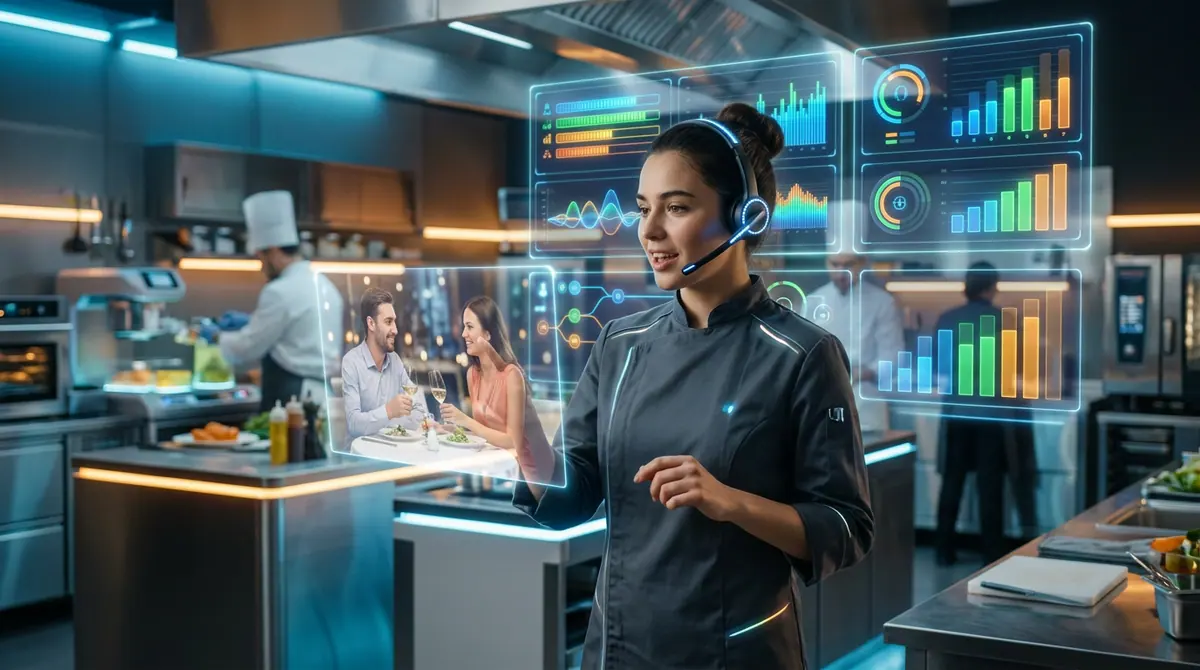
As we navigate the challenges of 2026, the technology has evolved beyond simple pop-up warnings. According to insights from Skillshub, the latest eLearning platforms are now building AI that can detect learner hesitation. By analyzing cursor movements, typing speed, and even the time spent hovering over a specific option, these systems can predict where a learner is likely to struggle. Instead of waiting for a wrong answer, the AI provides dynamic feedback loops that offer hints or break the content into smaller microlearning modules to prevent overwhelm.
Furthermore, global training is becoming more seamless. A blog post from Simultrans highlights that AI is now being used to address cultural mismatches and dialectical integrity in real-time. In 2026, global companies are using blended solutions where live virtual classrooms are supported by AI translation and cultural adaptation tools that prevent communication errors before they lead to workplace misunderstandings.
What to Watch Next
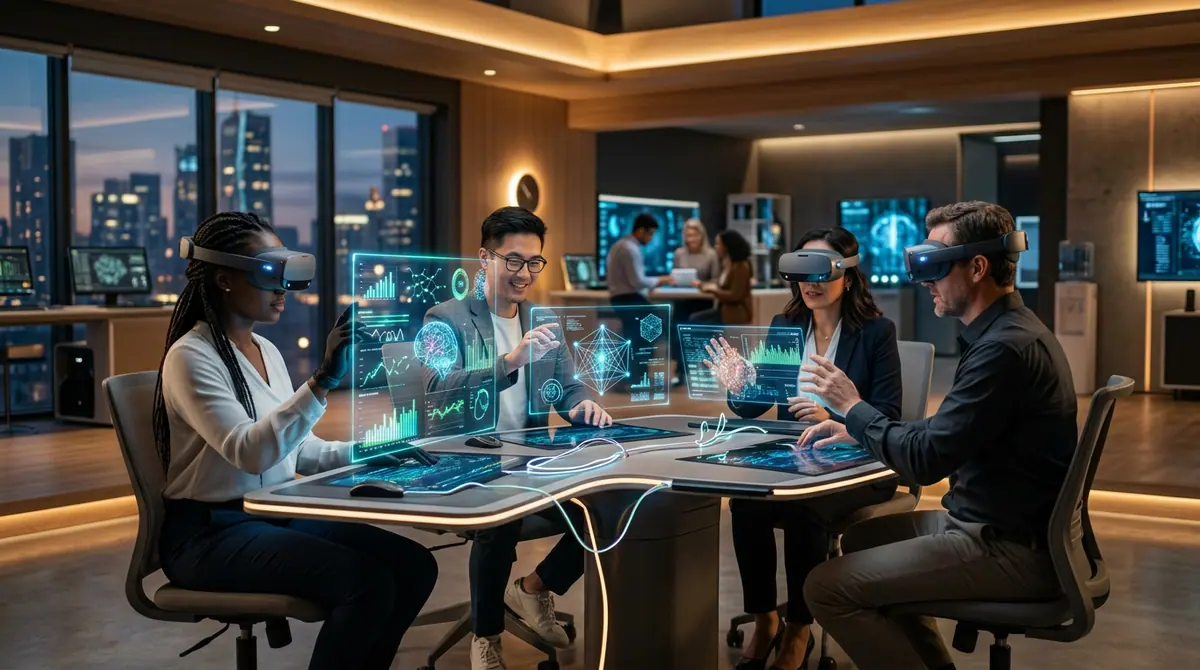
Looking forward, expect to see this real-time prevention model move into the physical world through augmented reality (AR). In vocational training and manufacturing, d'Vinci researchers are already seeing custom damage prevention eLearning being integrated with AR headsets. These systems will overlay digital instructions onto physical machinery, literally blocking a user from activating a switch if the safety parameters have not been met. This transition from training in a vacuum to training in situ will redefine what it means to be qualified for a job.
The Digital Mentor Era
The era of the post-mortem review is coming to an end. We are entering an age where the technology we use to learn is as proactive as a master mentor standing over our shoulder. By focusing on the moment of risk, EdTech is finally closing the gap between theory and practice, ensuring that the first time we try something new is also the time we get it right. The ultimate goal is no longer just to teach, but to protect the learner and the process simultaneously, turning every educational experience into a guaranteed success.
Sources (5)
Discussion (0)
Commenting as
No comments yet. Be the first to share your thoughts!
The discussion could not be loaded. Please refresh the page.
Cybersecurity and privacy journalist