Forget the Apple Tax: Your Guide to High-Performance AirPods Alternatives
Stop overpaying for a brand name. Discover how to find, set up, and optimize premium earbuds that outperform AirPods for a fraction of the cost.
Key takeaways
- AirPods alternatives now offer equal or better connectivity features like Multipoint Pairing and Fast Pair.
- Customizable EQ and hearing-profile tests in third-party apps provide a more tailored audio experience than Apple's fixed tuning.
- Firmware updates through companion apps are essential for maximizing noise cancellation and battery life on non-Apple earbuds.
- The 'Apple Tax' is increasingly unnecessary as mid-range brands deliver flagship-level performance for lower prices.
The Great Earbud Illusion
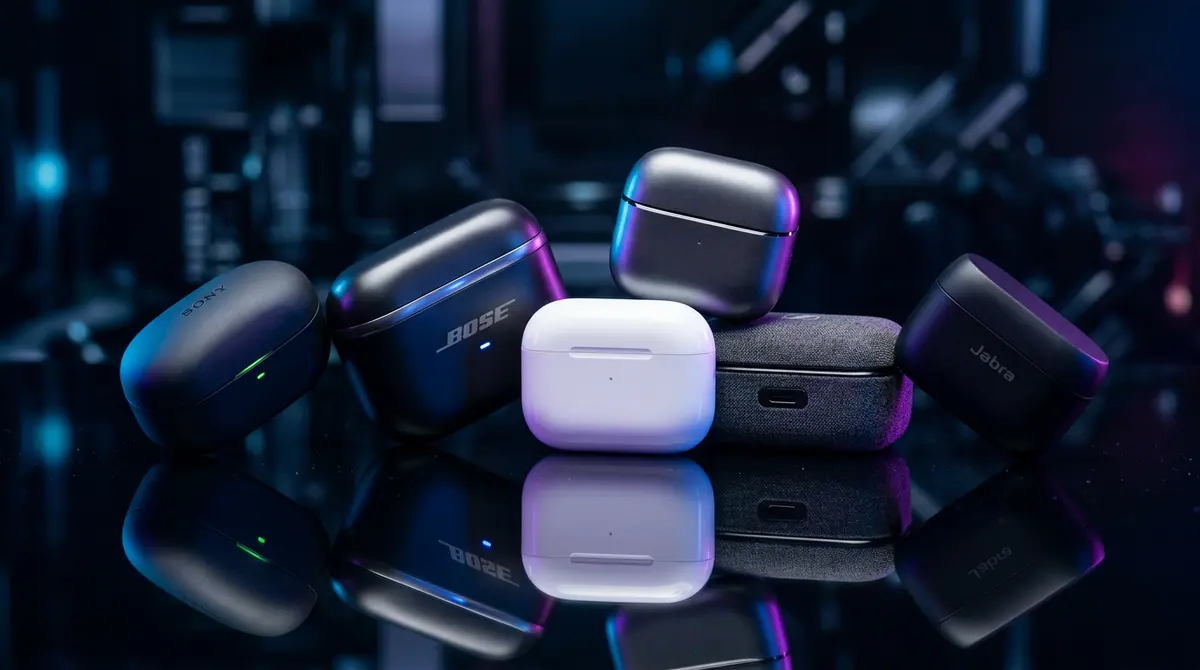
Most people buy AirPods because they believe it is the only way to enjoy a seamless audio experience, yet they are often paying a heavy premium for hardware that competitors have already surpassed. According to a detailed breakdown by How-To Geek, the market for wireless audio has shifted so dramatically that sticking with the Apple ecosystem might actually be costing you both money and sound quality. If you have been waiting for the right moment to break free from the white plastic stems, the current landscape of high-fidelity alternatives offers more features for significantly less investment.
Context: Why the Market is Shifting
For years, Apple held a monopoly on convenience with its proprietary H1 and H2 chips, which allowed for instant pairing and device switching. However, as noted in recent technical reviews on YouTube by leading audio experts, the gap has closed entirely. Industry standards like Google Fast Pair and the expansion of Multipoint Bluetooth have leveled the playing field, making it possible for third-party buds to work just as smoothly across multiple devices as AirPods do within the Apple walled garden.
Step 1: Audit Your Audio Priorities
Before you purchase a new pair of earbuds, you must identify which features actually impact your daily life. Do not fall for marketing buzzwords; instead, focus on the three pillars of modern wireless audio. First, consider Active Noise Cancellation (ANC). If you are a frequent traveler, you need a brand that specializes in isolation, such as Bose or Sony. Second, look for Multipoint Pairing. This is the ability to stay connected to your laptop and your phone simultaneously, a feature that many entry-level buds skip. Third, check for codec support. If you use an Android device, you will want earbuds that support LDAC or aptX for higher bit-rate audio, which AirPods famously do not support.
Step 2: Researching the Top Alternatives
The research from How-To Geek highlights that brands like Soundcore and Sony are currently providing better value propositions than the AirPods Pro. When you are scouting for your next pair, look for models like the Sony WF-1000XM5 if you want the best noise cancellation in the business. If you are on a budget, reviewers on YouTube frequently point toward the Soundcore Liberty series, which offers a robust app with a full 8-band equalizer, something Apple users have been requesting for years. Unlike AirPods, which force a specific sound profile on the user, these alternatives allow you to sculpt the audio to fit your specific hearing needs.
Step 3: Initial Pairing and Firmware Updates
Once you have selected your alternative, the setup process is critical. Many users make the mistake of simply pairing the device via the Bluetooth menu and stopping there. To get the most out of your investment, you must download the manufacturer's companion app. This is where you will find critical firmware updates. As pointed out in several hardware deep-dives on YouTube, manufacturers often release day-one patches that significantly improve ANC performance and battery efficiency. Do not skip this step; your earbuds are essentially small computers that require the latest software to function at their peak.
Step 4: Optimizing Your Sound Profile
One of the biggest advantages of moving away from AirPods is the ability to customize your listening experience. Most premium alternatives include a "HearID" or a custom sound test within their app. This process plays a series of tones to determine which frequencies your ears are most sensitive to, then creates a custom EQ curve just for you. This level of personalization is a game-changer for people who find standard earbuds too bass-heavy or too sharp in the treble. According to tech analysts, this personalized tuning often results in a more "expensive" sound than the out-of-the-box AirPods experience.
What Changed: The New Standard
In the past year, the industry has moved toward "Lossless Audio" and "Spatial Audio" as standard features rather than luxury add-ons. While Apple keeps these features largely tied to their own hardware and services, competitors have opened up. You can now get spatial audio that works with any streaming service, not just Apple Music, providing a much more flexible ecosystem for the modern listener.
Common Mistakes to Avoid
- Buying for the Brand: Do not assume a higher price tag always equals better sound. Many mid-range buds from specialized audio companies outperform the flagship AirPods.
- Ignoring Fit: AirPods use a "one size fits most" philosophy. Look for alternatives that include at least four sets of silicone or foam tips to ensure a proper seal, which is vital for bass response.
- Skipping the App: The companion app is not just bloatware; it is where you manage multi-device connections and find your lost buds.
Why It Matters
This shift matters because it represents the democratization of high-quality audio. For the price of one pair of AirPods Pro, a consumer can now buy a superior pair of noise-canceling earbuds and still have enough money left over for a year of high-resolution music streaming. As the technology continues to mature, the "Apple tax" becomes harder to justify for anyone who values performance over a logo.
Final Takeaway
Transitioning away from the Apple audio ecosystem is no longer a sacrifice: it is an upgrade. By following a structured approach to identifying your needs and properly configuring your new hardware, you can achieve a level of audio fidelity and customization that was previously reserved for audiophiles with deep pockets. The future of wireless audio is open, customizable, and more affordable than ever before.
Sources (4)
Discussion (0)
Commenting as
No comments yet. Be the first to share your thoughts!
The discussion could not be loaded. Please refresh the page.
AI researcher turned science communicator