
EdTech Under Scrutiny: Will AI Pass the 2026 Classroom Test?
As AI tools flood education, schools face tough questions. Is tech REALLY improving learning and student wellbeing? A look at the critical 2026 EdTech landscape.
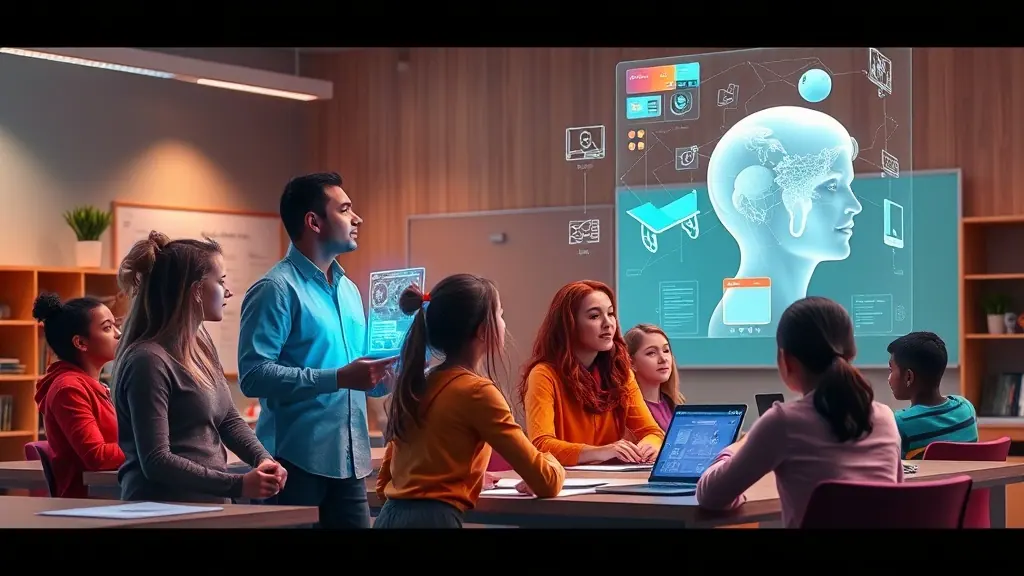
EdTech Under Scrutiny: Will AI Pass the 2026 Classroom Test?
Imagine a classroom buzzing with AI assistants, personalized learning plans, and data-driven insights. Sounds like a utopia, right? But in 2026, the rosy picture of EdTech is facing its toughest critics yet. With tighter budgets, enrollment concerns, and increasing worries about student wellbeing, schools are demanding proof that these technologies truly deliver. Is EdTech living up to the hype?
The Rise of the "Teacher Operating System"
The most exciting development is the emergence of the "Teacher Operating System." Think of it as the ultimate command center for educators. Companies like MagicSchool, SchoolAI, and Brisk are leading the charge, developing AI assistants that streamline everything from content creation to parent communication. The goal? To free up teachers' time so they can focus on what matters most: building relationships with students and fostering a love of learning.
Imagine Mrs. Evans, a high school English teacher. Before, she spent hours grading papers, crafting lesson plans, and answering parent emails. Now, with her Teacher Operating System, she can automate many of those tasks. The AI helps her identify struggling students, personalize learning paths, and generate engaging content. This gives her more time to connect with her students, providing individualized support and mentorship.
Targeted AI: Measurable Results or Empty Promises?
But not all that glitters is gold. The days of experimental AI are over. Education systems are now demanding targeted, measurable applications. Countries worldwide, from the UK to South Korea, are launching AI pilots with strict boundaries, focusing on governance, verifiability, and seamless integration into existing workflows.
This shift reflects a growing awareness of the potential pitfalls of unchecked AI. Schools are scrutinizing the large language models underlying these tools, particularly when it comes to protecting sensitive student data. The pressure is on EdTech companies to demonstrate that their products are not only effective but also safe and ethical.
Budget Realities and Tough Choices
Adding to the pressure is the harsh reality of budget constraints. Districts that once enjoyed free access to AI tools are now facing costs. Denver Public Schools, for example, had to allocate local funding to pay for MagicSchool AI after teacher requests. This financial strain is forcing EdTech leaders to justify their place in the classroom.
The question is no longer, "Can we afford to use AI?" but rather, "How can we use AI effectively and responsibly within our limited resources?" This requires a strategic approach, focusing on tools that offer the greatest return on investment and align with specific educational goals.
Beyond the Screen: Cyber-Physical Learning and Infrastructure
While AI dominates the headlines, other EdTech trends are quietly gaining momentum. One such trend is cyber-physical learning. These environments blend physical and digital resources, using mixed reality, telepresence robots, and remote laboratories to create immersive learning experiences. This approach recognizes the importance of hands-on learning and social interaction, even in a technology-driven world.
Another crucial development is the ongoing strengthening of digital infrastructure. Institutions are focusing on shared data layers, identity management, and interoperability, supported by cloud partnerships with AWS, Google, and OpenAI. This behind-the-scenes work is essential for creating a seamless and secure EdTech ecosystem.
The Human Factor: Wellbeing and Engagement
Perhaps the most significant shift in 2026 is the heightened focus on student wellbeing. The Senate hearing on the Kids Off Social Media Act has sparked broader questions about technology's role in learning. As AI becomes more prevalent, human-driven indicators such as engagement, well-being, and sustained participation are taking center stage.
This means that EdTech companies must go beyond simply delivering content and start prioritizing the social and emotional needs of students. They need to design tools that foster collaboration, creativity, and critical thinking, rather than simply replacing traditional teaching methods.
The Verdict: Will EdTech Survive the Test?
In 2026, EdTech stands at a crossroads. The industry faces a critical juncture where it must prove its value to skeptical educators, budget-conscious administrators, and concerned parents. The future of EdTech depends on its ability to deliver targeted, measurable results while prioritizing student wellbeing and responsible AI deployment. Will it pass the test? Only time will tell, but one thing is certain: the EdTech landscape is undergoing a profound transformation, and the stakes have never been higher.
Discussion (0)
Commenting as
No comments yet. Be the first to share your thoughts!
The discussion could not be loaded. Please refresh the page.
EdTech specialist and former computer science educator


