
EdTech in 2026: AI Gets Real, Screens Take a Backseat?
2026 is shaping up to be a pivotal year for EdTech. Forget flashy gadgets, the focus is on practical AI, reduced screen time, and student well-being. Is your school ready for these shifts?
EdTech in 2026: The Pendulum Swings Towards Purpose
Remember the early days of EdTech, when every new gadget promised to revolutionize learning? Fast forward to 2026, and the hype has faded. Instead, a more mature, considered approach is emerging. This year, the big story isn't about the newest toy, but about *how* we use technology to truly enhance education.
Multiple reports and predictions for 2026 point towards a significant shift in EdTech priorities. We're seeing a move away from passive screen time and superficial AI integrations toward more meaningful, student-centered strategies. What does this mean for you, whether you're a student, teacher, or parent?
AI: From Buzzword to Backbone
Artificial intelligence is no longer just a futuristic fantasy in education. It's becoming an integral part of instructional design and assessment. Forget AI solely as a content generator; think of it as a tool to understand student skills, personalize learning pathways, and even inform enterprise-wide policies.
Institutions are now investing in AI fluency programs. Teachers are being trained, often through state-level initiatives, to effectively use AI tools. The goal? To create truly personalized learning experiences, powered by data interoperability between different educational systems.
The Human Element
However, this increased reliance on AI comes with concerns. Some experts caution against the potential risks of AI companions hindering student development, especially in the realm of social skills. The emphasis is now on 'prosocial tech', technology that fosters real-world relationships and collaborative learning.
Beyond the Screen: Prioritizing Well-being and Engagement
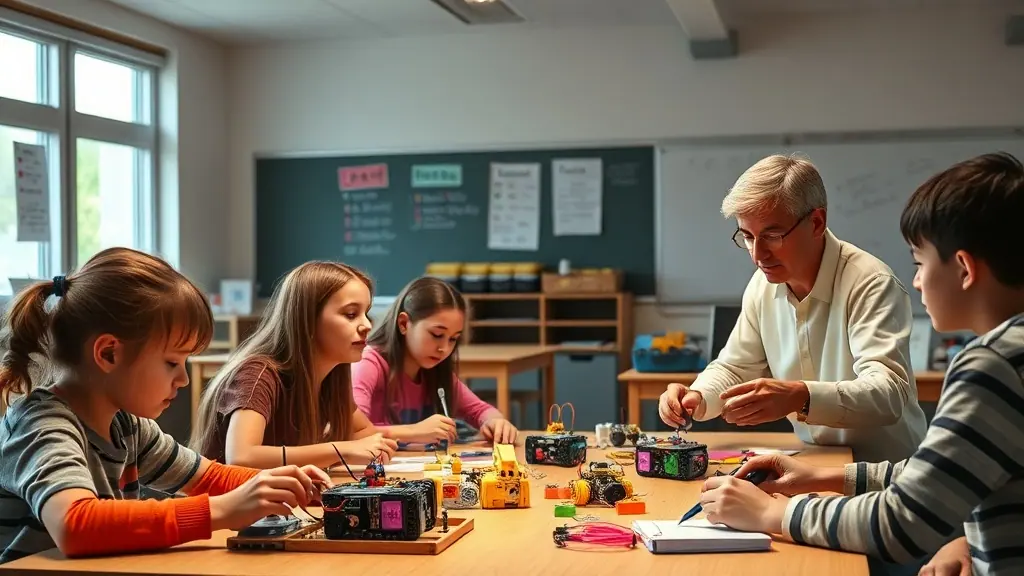
Perhaps the most significant trend is the conscious effort to reduce screen time, particularly passive consumption. K-12 districts are increasingly formalizing cell phone bans and promoting hands-on learning activities. The rationale is clear: to combat disengagement and foster a more active, engaging learning environment.
Think of it this way: instead of passively watching a science video, students are now conducting experiments, building models, and collaborating on real-world projects. Instead of endless scrolling, they're engaging in discussions, debates, and creative problem-solving.
New Platforms and Ecosystems: A Holistic Approach
While screen time is being re-evaluated, technology still plays a crucial role. The focus is shifting towards immersive platforms like VR/XR hybrid models and gamification ecosystems. These aren't just about entertainment; they're designed to address mental health, provide career guidance, and boost student retention through CRM and lifecycle engagement tools.
One crucial element is interoperability. Schools are prioritizing integrated ecosystems that connect SIS (Student Information Systems), LMS (Learning Management Systems), and CRM (Customer Relationship Management) platforms. This creates a seamless flow of data, unlocking the true potential of AI and personalized learning.
Equity and Outcomes: Addressing the Needs of All Learners
EdTech in 2026 is also about equity. We're seeing a rise in tools designed to reduce cognitive load, such as noise reduction technology that improves phoneme learning. AI is being used to address basic needs, and non-degree credentials are gaining traction as alternative pathways to education and employment.
Initiatives like the Ballmer Group and Gates Foundation's AI for social services demonstrate a commitment to using technology to address societal challenges and create opportunities for all learners.
What This Means for You
- For Students: Expect more hands-on learning, personalized learning experiences, and tools that support your well-being.
- For Teachers: Embrace AI as a tool to enhance your teaching, not replace it. Focus on creating engaging, student-centered activities that balance technology with human interaction.
- For Parents: Be mindful of screen time and encourage your children to engage in activities that foster creativity, collaboration, and critical thinking.
The Maturation of EdTech
2026 represents a pivotal moment in the evolution of EdTech. It's a year of maturation, where innovation is tempered by budget realities and a renewed focus on student-centered design. The future of education isn't just about technology; it's about how we use technology to empower learners and create a more equitable and engaging educational experience for all.
Are we ready to move beyond the hype and embrace a more purposeful, human-centered approach to EdTech? The answer, it seems, lies in our willingness to prioritize well-being, equity, and meaningful learning experiences above all else.
Discussion (0)
Commenting as
No comments yet. Be the first to share your thoughts!
The discussion could not be loaded. Please refresh the page.
Mobile ecosystem analyst and smartphone reviewer


