
DIY Deepfake Detective: Spotting Synthetic Media in 2026
Deepfakes are becoming frighteningly real. Learn practical techniques to verify video calls and detect manipulated media. Stay ahead of the curve and protect yourself from deception!
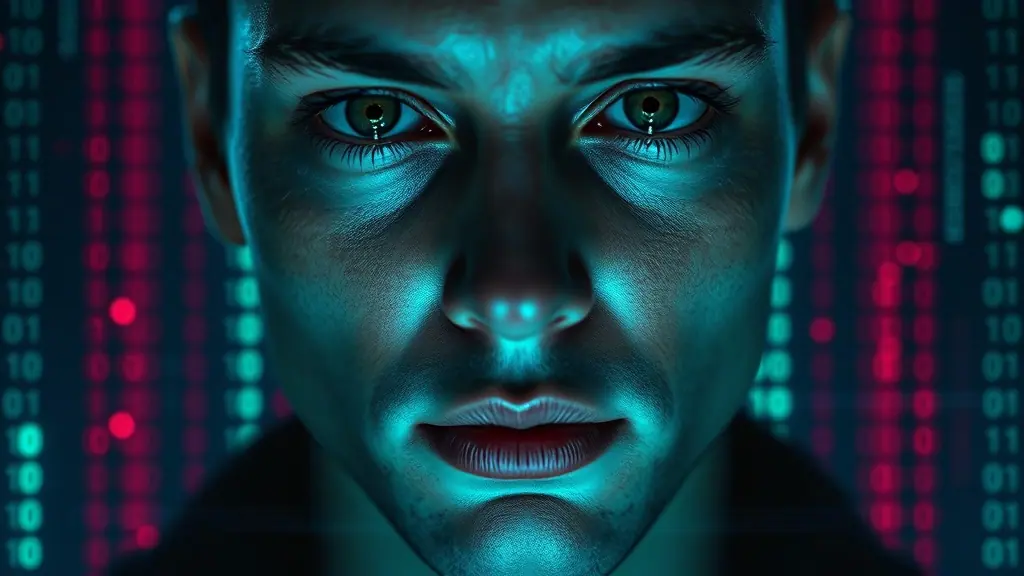
Are You Talking to a Real Person? How to Spot Deepfakes in 2026
Imagine this: you're on a video call with a colleague, discussing sensitive company information. Everything seems normal, but what if the person on the other end isn't who they claim to be? What if it's a sophisticated deepfake designed to extract valuable data? In early February 2026, government and tech experts are sounding the alarm: deepfakes have reached a turning point, and the ability to detect them is now crucial.
Don't panic! While deepfake technology is advancing rapidly, so are the methods to identify them. This guide provides actionable steps you can take today to protect yourself and your organization.
Step 1: Question Everything, Trust Nothing (Initially)
The first line of defense is a healthy dose of skepticism. Before divulging any sensitive information, consider the context of the interaction. Ask yourself:
- Is this request unusual or out of character for the person I'm talking to?
- Am I being pressured to act quickly or without proper authorization?
- Does anything about the video or audio quality seem off?
Tip: Always verify important requests through a separate, trusted channel, such as a phone call or in-person conversation.
Step 2: Look for the Tell-Tale Signs
Deepfakes, while sophisticated, often have subtle flaws. Here's what to watch for:
- Unnatural Blinking: Early deepfakes often struggled with realistic blinking patterns. While this is improving, inconsistent or absent blinking can still be a red flag.
- Lighting and Skin Tone Issues: Pay close attention to how light interacts with the person's face. Inconsistencies in skin tone, shadows, or reflections can indicate manipulation.
- Audio-Visual Sync Problems: Deepfakes may exhibit slight delays or mismatches between lip movements and spoken words.
- Background Anomalies: Check for distortions or inconsistencies in the background. Deepfake software may struggle to accurately render complex scenes.
- Jerky Movements: Faces swapped into video can sometimes exhibit unnatural, disconnected movements.
Common Mistake: Relying solely on visual cues. Audio deepfakes are also becoming more prevalent, so listen carefully for synthetic or unnatural speech patterns.
Step 3: Implement Behavioral Biometrics
Multi-Factor Authentication (MFA) is no longer enough. Behavioral biometrics adds an extra layer of security by analyzing unique patterns in how you type, move your mouse, and interact with your devices. Even if a deepfake can mimic your appearance and voice, it's much harder to replicate your specific behavioral patterns.
Many security software vendors now offer behavioral biometric solutions. Research and implement a system that fits your needs.
Step 4: Leverage Deepfake Detection Tools
Several companies are developing AI-powered tools to detect synthetic media. These tools analyze video and audio for telltale signs of manipulation. While not foolproof, they can provide an extra layer of assurance.
Example: Many video conferencing platforms are beginning to integrate deepfake detection features. Explore the options available in your existing software.
Step 5: Educate Yourself and Others
The best defense against deepfakes is awareness. Stay informed about the latest deepfake techniques and detection methods. Share this knowledge with your colleagues, friends, and family. The more people who are aware of the threat, the harder it will be for deepfakes to succeed.
What This Means for You
The rise of deepfakes has significant implications for everyone. From verifying the identity of your contacts to protecting your reputation online, the ability to detect synthetic media is becoming an essential skill. By taking the steps outlined in this guide, you can stay ahead of the curve and protect yourself from deception.
The future will likely see an arms race between deepfake creators and detection technologies. Staying informed, skeptical, and proactive is the best way to navigate this evolving landscape.
Conclusion: Vigilance is Key
Deepfakes are not just a theoretical threat; they are a growing reality. By understanding the risks and implementing the right strategies, you can protect yourself from the potential harm caused by synthetic media. Stay vigilant, stay informed, and stay one step ahead of the deepfakes.
Discussion (0)
Commenting as
No comments yet. Be the first to share your thoughts!
The discussion could not be loaded. Please refresh the page.
EdTech specialist and former computer science educator


