Beyond the Welcome Packet: The 2026 Revolution in Onboarding Technology
Traditional employee onboarding is dead. Discover how AI, microlearning, and a focus on human connection are reshaping how professionals start their careers in 2026.

Key takeaways
- Onboarding in 2026 has shifted from administrative compliance to strategic human connection.
- Preboarding is now a critical phase for engagement, using EdTech to bridge the gap between hiring and the first day.
- Microlearning and agentic AI are replacing long-form training sessions to prevent information overload.
- Remote onboarding requires specialized digital strategies to maintain employee retention and belonging.
The First Day of the Future
Imagine walking into your first day at a new company and instead of being greeted by a mountain of dry paperwork, you are met with a personalized, AI-driven learning path that already knows your strengths and skills. This is no longer a futuristic dream but the new standard for 2026. As technology continues to transform how we learn and work, the process of onboarding has evolved from a simple administrative hurdle into a strategic tool for professional growth and retention.
What Changed: From Compliance to Connection
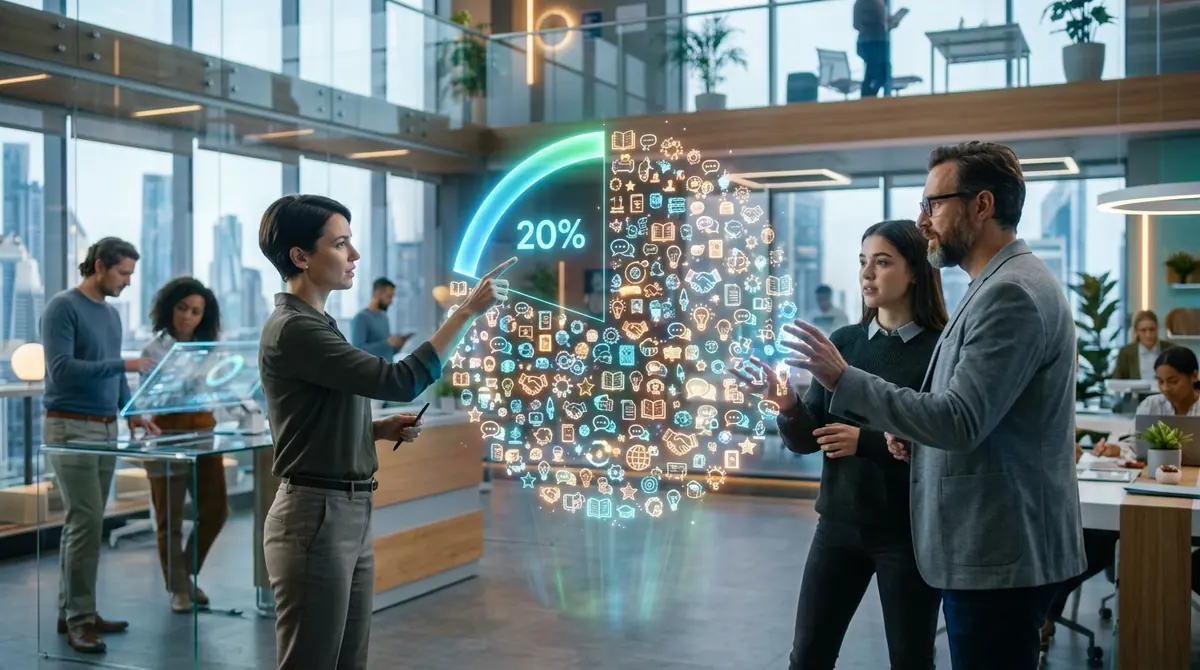
According to a strategic report by GFoundry on 2026 trends, there has been a massive shift in how organizations view the start of a worker's journey. Previously, onboarding was almost entirely about compliance: signing forms, reading handbooks, and setting up payroll. Today, the focus has shifted toward connection. This means using technology to build a sense of belonging and culture before the first day even begins. The goal is to move beyond the checklist and toward a meaningful integration into the community.
A recent guide by Evalflow notes that modern onboarding software must now integrate social components that allow new hires to meet their peers virtually. This transition ensures that the learning process is social and collaborative rather than isolated, which is a critical factor for long-term success in both education and the corporate world.
The Power of Preboarding
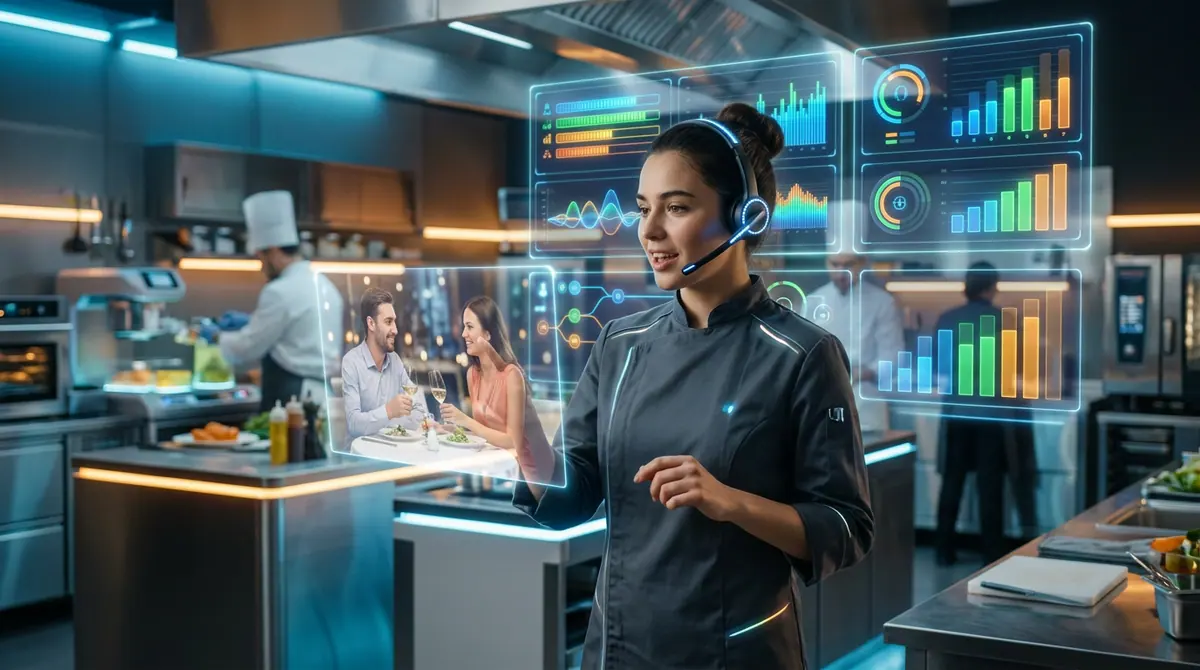
One of the most significant developments this year is the rise of preboarding. Experts at Whirks have highlighted that the period between signing an offer letter and the first day is a critical window for engagement. Rather than leaving new hires in a vacuum, companies are using EdTech platforms to send micro-content that introduces the company culture in bite-sized pieces. SpringVerify researchers emphasize that a well-structured preboarding checklist reduces first-day anxiety and allows the new hire to hit the ground running with confidence.
AI and Microlearning: The New Training Standard
The way we deliver technical training is undergoing a radical transformation. As noted by TechClass in their 2026 resource guide, there are now 15 must-have requirements for onboarding software, including real-time progress tracking and AI-driven personalization. Instead of day-long seminars that lead to information overload, organizations are adopting microlearning. This approach, advocated by Glitter.io, breaks down complex technical training into short, interactive modules that can be completed on a smartphone or tablet.
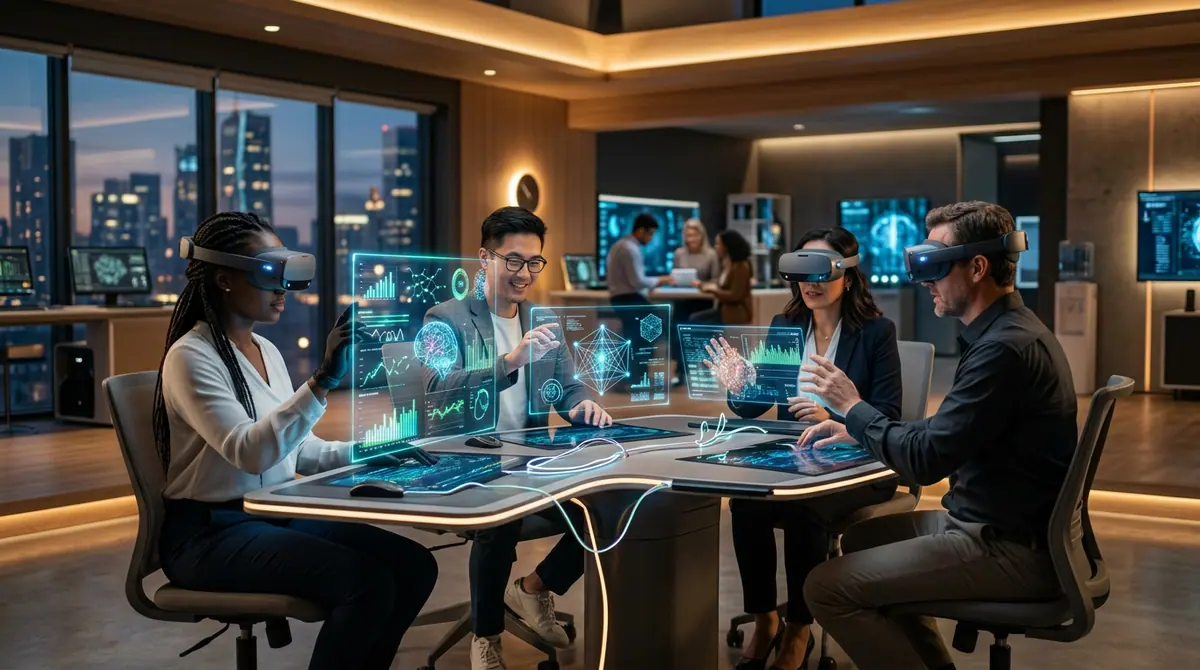
This is particularly relevant for students transitioning into the workforce. The same microlearning techniques used in cutting-edge classrooms are now being applied to professional development. By using agentic AI, training platforms can now act as personal tutors, answering questions in real-time and adjusting the difficulty of training modules based on the learner's performance.
Why It Matters
This technological shift matters because it directly impacts human retention and mental health. A study shared by AIHR regarding remote onboarding found that without these digital touchpoints, remote workers often feel disconnected and are more likely to leave within the first six months. For parents and educators, this highlights the importance of digital literacy; students must be prepared to navigate these sophisticated learning ecosystems as soon as they graduate.
What to Watch Next
Looking ahead, we should expect to see even deeper integration between Educational Technology and Human Resources. We are moving toward a world of continuous onboarding where the learning never truly stops. Watch for the rise of persistent AI mentors that follow a professional from their university years directly into their first three roles, maintaining a digital portfolio of their growth and suggesting specific micro-courses to bridge any skill gaps that arise in real-time.
The Human Element in a Digital World
While the tools are more advanced than ever, the most successful implementations of these technologies are those that use automation to free up time for human interaction. As we see in the 2026 checklists provided by industry leaders like GFoundry and Whirks, the best technology serves as a bridge, not a barrier. The future of EdTech in the workplace is not about replacing the manager or the mentor; it is about providing them with the data and the time they need to build truly impactful relationships with their teams.
Sources (7)
Discussion (0)
Commenting as
No comments yet. Be the first to share your thoughts!
The discussion could not be loaded. Please refresh the page.
Machine learning engineer and technical writer