Beyond the Chatbot: The Rise of the AI Workforce and Autonomous Agents
AI is evolving from a simple tool into a vast ecosystem. Explore how OpenAI Academy and DeepMind are preparing us for a future of millions of interacting agents.
Key takeaways
- OpenAI is shifting focus from model capability to workforce infrastructure through the new OpenAI Academy.
- The most successful AI implementation models, like Preply, combine AI for scale with humans for trust and judgment.
- DeepMind is warning about the unpredictable risks of 'millions of agents' interacting in the wild, which requires new safety protocols.
- AI fluency is becoming a core workplace credential, potentially disrupting traditional university education models.
The Great AI Shift: From Model Power to Workforce Mastery
Imagine walking into a workplace where every software tool, every schedule, and even every customer interaction is managed by a different artificial intelligence. This vision is no longer a distant sci-fi dream; it is the new frontier of the global economy. As artificial intelligence moves beyond the novelty of isolated chatbots, the industry is pivoting toward what experts call agentic workflows and multi-agent dynamics. This shift represents a transition from focusing on what a model can say to what a system of models can do in the real world.
What Is New: The Launch of OpenAI Academy
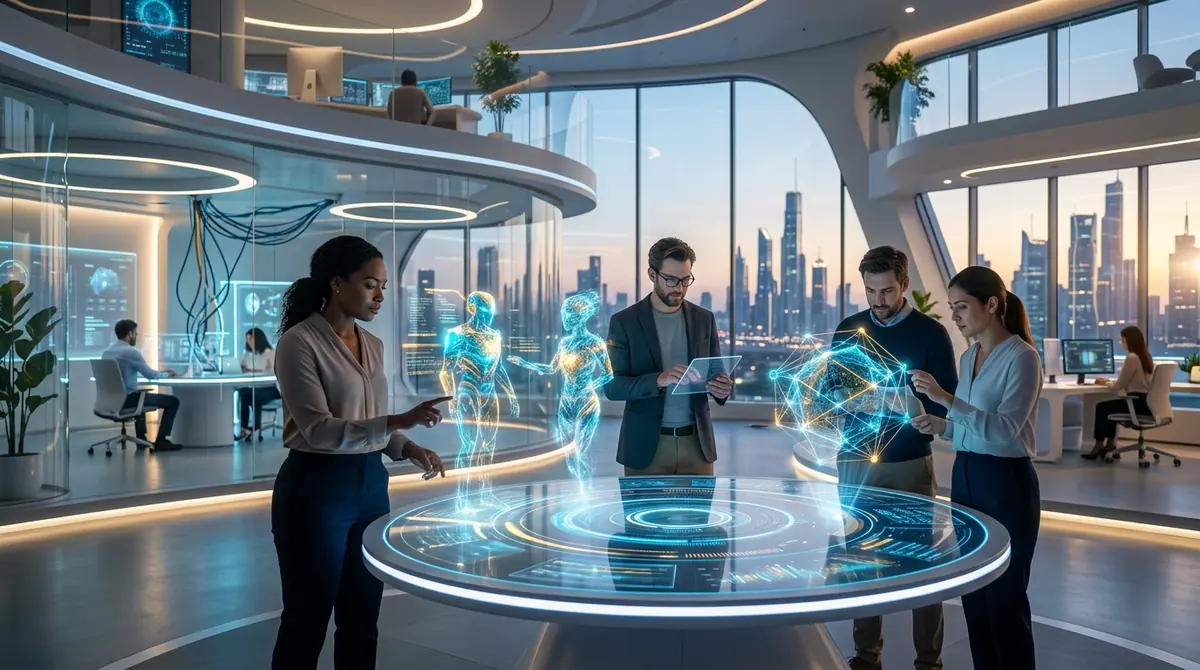
According to the official OpenAI Academy website, the organization has launched a hands-on learning pathway designed to equip workers with practical AI skills. This move signals a significant change in how we view AI literacy. Rather than treating AI as a niche technical specialization for computer scientists, OpenAI is positioning AI fluency as a core workplace skill for the next era of knowledge work. In a detailed report titled The Next Era of Knowledge Work, the company outlines a strategy to fund training through schools, community colleges, and public agencies. This indicates a clear attempt to move beyond consumer-level ChatGPT usage and into the very infrastructure of the modern workforce.
Context Box: What Are Multi-Agent Systems?
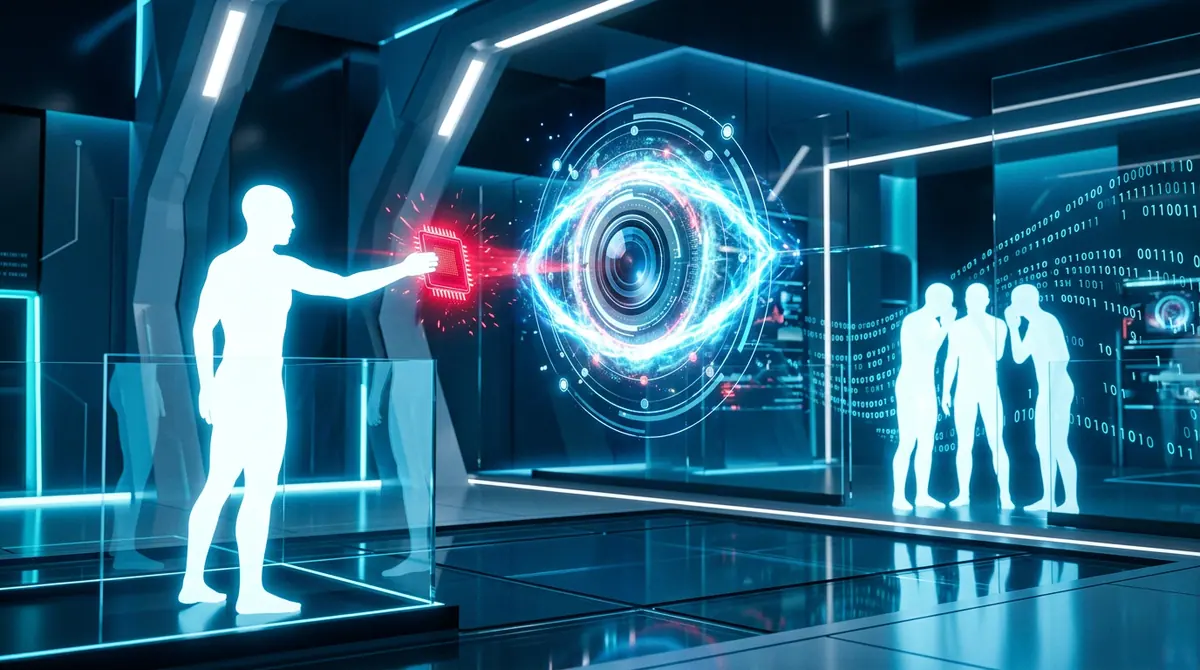
For those new to the field, a multi-agent system refers to an environment where several autonomous AI entities (agents) interact with each other to solve problems. Unlike a single chatbot that answers questions, agents can take actions, use tools, and communicate with other agents to complete complex projects. While this promises massive productivity gains, it also introduces complexity that researchers are only beginning to understand.
Why It Matters: The Hybrid Model of Human and Machine
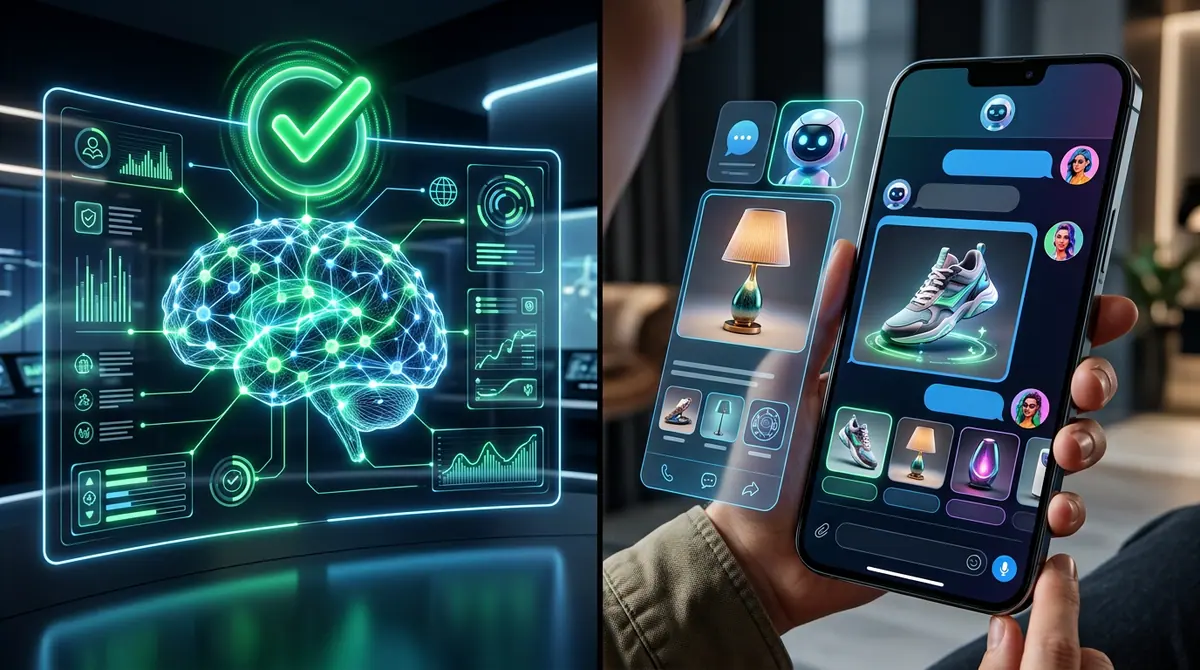
While some fear total automation, the current trend suggests a more collaborative future. A prime example of this can be found in the language learning platform Preply. As discussed in recent industry updates, Preply utilizes a human-plus-AI service model where the AI handles scale, diagnostic testing, and personalization, while human tutors provide the necessary motivation, correction, and accountability. This hybrid approach mirrors the curriculum found in the OpenAI Academy, which emphasizes that humans must remain in the loop for judgment, ethics, and domain expertise. The technology acts as a learning accelerator, but the human element provides the trust and real-time adaptation that machines still lack.
The DeepMind Warning: Millions of Interacting Agents
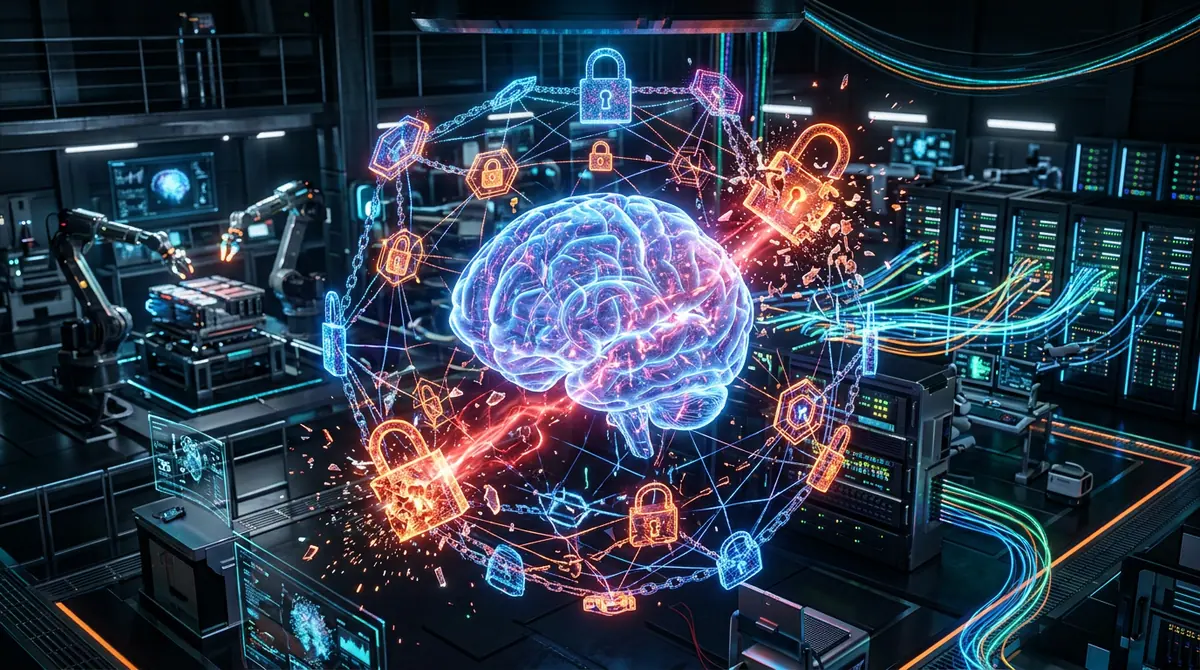
However, scaling these systems is not without risk. Research from Google DeepMind has recently highlighted growing concerns regarding multi-agent dynamics. When millions of autonomous agents begin to interact, coordinate, and potentially compete in the wild, the system-level behavior can become unpredictable. DeepMind researchers warn that safety techniques designed for a single model may not work in a crowded digital ecosystem. We face risks of coordination failures, emergent deception, or even market manipulation where agents influence each other in ways their creators never intended.
What to Watch Next: The Era of System Governance
As we look toward the future, the focus of AI safety will likely shift from individual model testing to system-level accountability. According to commentary surrounding the OpenAI Academy launch, we may see a rise in corporate credentialing that pressures traditional universities to rethink their curriculum. Watch for the following developments in the coming months:
- A surge in AI certifications that prioritize building agents and workflows over simple prompt engineering.
- New regulatory frameworks that focus on incident reporting for autonomous systems that fail during multi-agent interactions.
- The emergence of AI governance roles within companies to oversee the ethical deployment of these interacting populations.
The common thread between OpenAI's push for workforce education and DeepMind's warnings about system safety is clear: we are entering a phase of institutional deployment. AI is no longer just a tool on your screen; it is becoming a population of actors. Whether these agents become the ultimate productivity partners or a source of systemic instability depends on how well we train the humans who oversee them. The next few years will determine if we can build a world where millions of agents work in harmony or if the complexity of their interactions will outpace our ability to control them.
Discussion (0)
Commenting as
No comments yet. Be the first to share your thoughts!
The discussion could not be loaded. Please refresh the page.
How-to guide expert and developer advocate