
Android 17 Lands Today: Why Your Pixel Just Became a Portal to the Future
Google just flipped the switch on Android 17, starting with Pixel devices. From AI-driven battery management to radical privacy shifts, here is why this update changes everything.
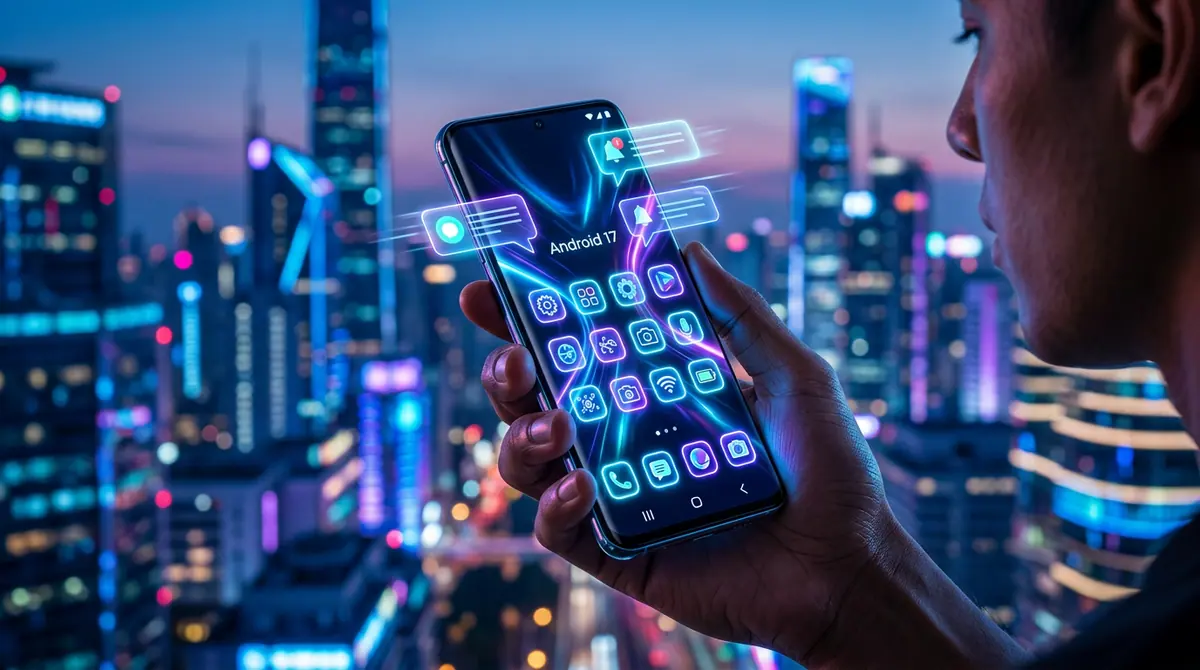
Key takeaways
- Android 17 is officially rolling out to Google Pixel devices starting June 17, 2026.
- The update introduces AI-driven battery management and a context-aware notification system to reduce digital clutter.
- A major focus of this release is on-device AI processing, which enhances both user privacy and system speed.
- While Pixel users get the update first, other manufacturers like Samsung are expected to follow in the coming months.
The Pixel Revolution: Android 17 Hits the Streets
Your smartphone just got a major brain transplant. Today, June 17, 2026, marks the official arrival of Android 17, Google’s latest and most ambitious mobile operating system to date. As has become tradition in the tech world, Pixel owners are the first to experience the transformation, with the update rolling out to Google’s flagship devices as we speak. This is not just a minor polish of existing features; it is a fundamental shift in how your phone interacts with you, your data, and the world around it.
According to a report by The Verge, the launch signals a new era of consumer-facing features that prioritize seamless interaction. While previous updates felt iterative, Android 17 feels like a leap forward in mobile intelligence. For those holding a Pixel device, the notification for the update represents the keys to a more efficient, secure, and intuitive digital life. But for the rest of the industry, it is a signal that the bar for mobile computing has just been raised significantly higher.
What Changed: The Delta in Mobile Intelligence
The jump from Android 16 to 17 is defined by three major pillars: predictive management, conversational AI integration, and granular privacy controls. In previous versions, battery management was largely reactive, but according to technical analysts at Ars Technica, Android 17 introduces a new engine that uses local machine learning to predict your app usage patterns with startling accuracy. This means your phone effectively pre-loads the tools you need while putting background processes into a state of deep hibernation that was previously impossible.
Furthermore, notification handling has undergone a total redesign. Instead of a chronological list that can quickly become cluttered, Android 17 uses an AI-assisted sorting mechanism. It identifies which messages require immediate attention and which can wait, grouping them by context rather than just by app. This change aims to reduce digital fatigue, a growing concern for modern users who find themselves buried under a mountain of pings and alerts throughout the day.
Why It Matters: Beyond the Interface
This update matters because it represents the first time a mobile operating system has fully committed to on-device AI processing as a standard. By moving more of the heavy lifting from the cloud directly onto the Pixel’s internal hardware, Google is enhancing both speed and privacy. When your phone processes your data locally, the risk of data breaches during transmission is virtually eliminated. This is a massive win for users who have become increasingly skeptical of how big tech companies handle their personal information.
Moreover, the ripple effect on the industry cannot be overstated. When Google sets a new standard for Android, every other manufacturer, from Samsung to OnePlus, must eventually follow suit. As noted in recent industry discussions, the speed at which these third-party manufacturers adopt the Android 17 framework will likely determine their market share in the coming year. Users are no longer satisfied with slow update cycles; they want the cutting-edge features the moment they are announced.
Context Box: For the Uninitiated
For those who do not follow every software release, Android is the operating system that powers the vast majority of the world's smartphones. Every year, Google releases a major numbered update that adds new capabilities. The Pixel phone line is Google's own hardware, meaning it acts as the "gold standard" for how the software should run. Because Google makes both the phone and the software, Pixel users get these updates months before people using other brands, allowing them to test-drive the future of mobile technology before it goes mainstream.
What to Watch Next: The Multi-Brand Wave
While Pixel owners are celebrating today, the rest of the Android ecosystem is watching closely. The next big milestone will be the announcement of rollout schedules from other major manufacturers. We expect to see Samsung announce its own version of the update, likely titled One UI 8, in the coming weeks. The technical implications for power users and developers are also substantial, as the new platform behavior changes will require app creators to rethink how they manage permissions and background tasks.
As we move deeper into 2026, the real test will be how Android 17 performs on older hardware. While the latest Pixel models have the processing power to handle these new AI features with ease, the industry will be watching to see if Google can maintain this level of performance on more budget-friendly devices. For now, if you have a Pixel in your pocket, check your settings: the future has arrived, and it is waiting for your permission to install.
Discussion (0)
Commenting as
No comments yet. Be the first to share your thoughts!
The discussion could not be loaded. Please refresh the page.
Cybersecurity and privacy journalist


