
AI Winter? What the Recent Silence Means for Machine Learning's Future
The AI world has been unusually quiet lately. Are we on the brink of an AI winter, or is this just the calm before the storm? Discover the latest insights and predictions.
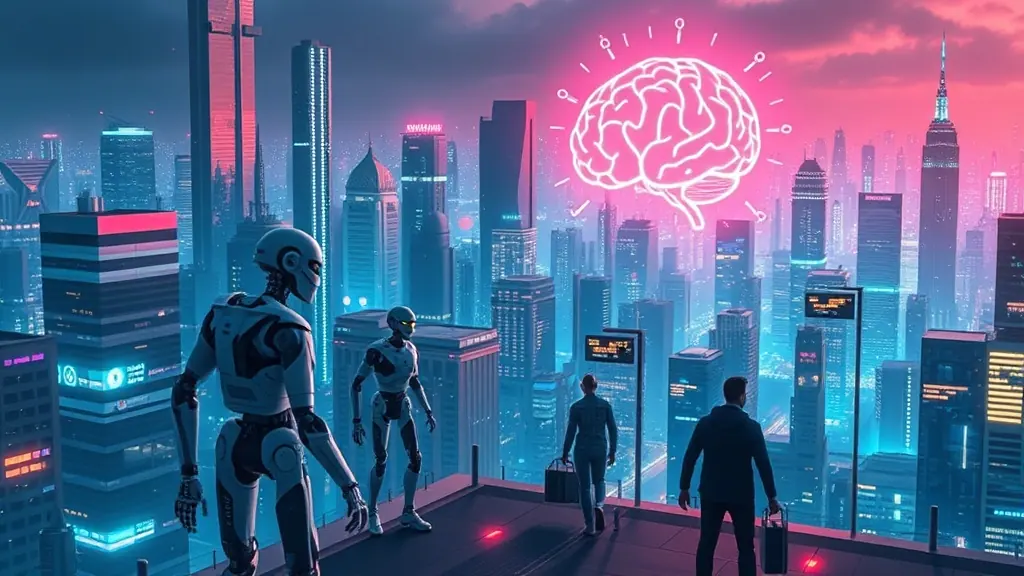
The Unusual Silence in AI: Are We Entering an AI Winter?
In the fast-paced world of artificial intelligence, a few days can feel like an eternity. The last three days of January 2026 have been remarkably quiet, with no major AI or machine learning breakthroughs, model releases, or groundbreaking research papers hitting the headlines. This silence begs the question: Are we on the verge of an AI winter, or is this merely a pause before the next wave of innovation?
Let’s dive into what this silence means, examine recent advancements, and explore what industry experts predict for the future of AI.
A Look Back: Recent AI Highlights
While the past few days have been uneventful, it’s important to remember the significant strides made in AI recently. Here’s a quick recap:
- Automated Radiology Labeling (January 6, 2026): An AI system was developed to automate the often tedious and time-consuming task of radiology labeling, promising to speed up diagnoses and reduce the workload on medical professionals.
- AI for Heart Health (December 16, 2025): Researchers at the University of Michigan created an AI capable of diagnosing coronary microvascular dysfunction using EKG strips, offering a non-invasive and efficient way to detect a critical heart condition.
- Google DeepMind's GenCast (December 8, 2025): Google DeepMind unveiled GenCast, a new weather forecasting model that leverages AI to predict weather patterns with greater accuracy and speed.
- Fujitsu-Kirin’s Gut-Brain Model (December 2, 2025): Fujitsu and Kirin collaborated on a QSP model to understand the gut-brain connection, potentially leading to new treatments for neurological and mental health disorders.
2026 AI Trends: What to Expect
Despite the current lull in major announcements, the AI community is buzzing with predictions for the year ahead. Here are some key trends to watch out for:
Smaller, Domain-Optimized Models
The trend towards massive, general-purpose models may be shifting. Experts predict a rise in smaller, more specialized AI models designed for specific tasks and industries. These domain-optimized models can be more efficient, cost-effective, and easier to deploy than their larger counterparts.
Quantum-AI Hybrids
The integration of quantum computing and AI is gaining momentum. Quantum-AI hybrids promise to solve complex problems that are currently beyond the reach of classical computers, opening up new possibilities in fields like drug discovery, materials science, and financial modeling.
Robotics Revolution
AI is set to transform the robotics industry. We can expect to see more sophisticated robots capable of performing complex tasks in manufacturing, logistics, healthcare, and even our homes. These robots will be equipped with advanced sensors, machine learning algorithms, and natural language processing capabilities, making them more adaptable and user-friendly.
Recent Research Previews: KernelEvolve, VL-JEPA, and SCP
While no major releases have occurred recently, the research pipeline remains active. Newsletters have previewed promising advancements like:
- KernelEvolve: A technique for optimizing kernels, potentially leading to more efficient and powerful machine learning models.
- VL-JEPA (Meta): A new approach to visual learning from Meta, aiming to improve the ability of AI systems to understand and reason about images and videos.
- SCP for Scientific Agents: A framework for developing AI agents that can assist scientists in conducting experiments and analyzing data.
NASA's Graph Neural Networks Seminar
Looking ahead, NASA is hosting a seminar on Graph Neural Networks (GNNs) on February 2, 2026. GNNs are a powerful type of neural network that can process data represented as graphs, making them well-suited for applications in areas like social network analysis, drug discovery, and materials science. This seminar highlights the growing interest in GNNs and their potential to solve complex problems in various domains.
What Does This Mean for You?
Even a short period of quiet in AI advancements can provide an opportunity to reflect on the bigger picture. The shift towards smaller, more efficient models, the exploration of quantum-AI hybrids, and the ongoing advancements in robotics all point to a future where AI is more integrated into our daily lives. Whether you're a student, a business professional, or simply someone interested in technology, understanding these trends can help you prepare for the changes ahead.
Conclusion: The Future is Still Bright
The recent pause in AI news doesn't signal an AI winter. It's a moment to appreciate the rapid advancements we've already witnessed and anticipate the exciting developments on the horizon. The AI revolution is far from over; it's merely entering a new phase of refinement, specialization, and integration. Keep watching this space, the next breakthrough could be just around the corner.
Discussion (0)
Commenting as
No comments yet. Be the first to share your thoughts!
The discussion could not be loaded. Please refresh the page.
Senior tech journalist covering AI and emerging technologies


