
AI Tutors: The Personalized Learning Revolution is Here!
AI is transforming education with personalized learning that boosts student outcomes. But are schools ready for the AI revolution? Explore the benefits, challenges, and future of AI in education.
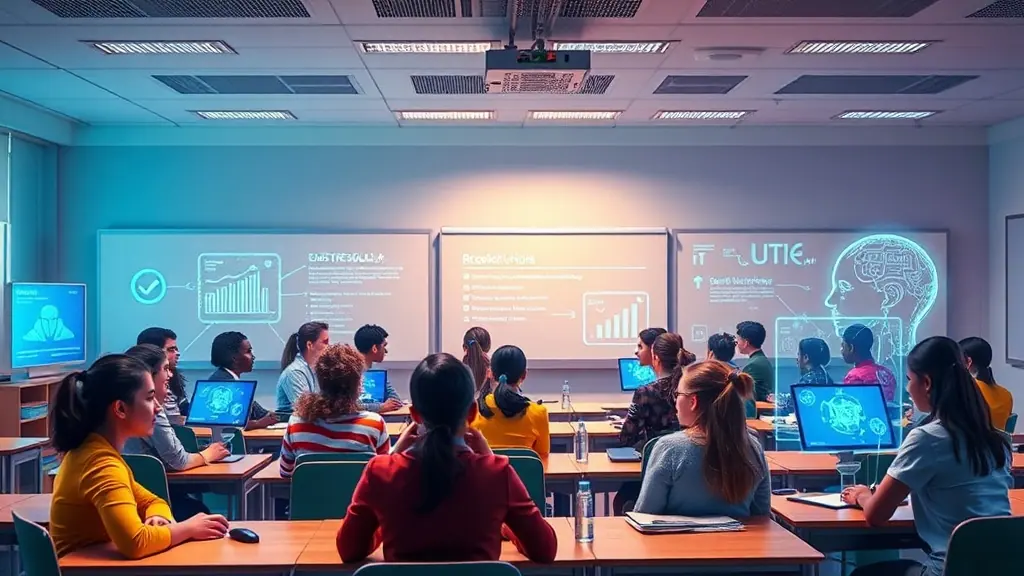
The Rise of the AI Tutor: Personalized Learning at Scale
Imagine a world where every student has a personal tutor, available 24/7, who understands their unique learning style and adapts to their individual needs. This isn't a futuristic fantasy; it's the reality that AI is rapidly bringing to education. Fueled by advancements in artificial intelligence, personalized learning is no longer a buzzword but a tangible force reshaping classrooms and student outcomes.
The results are compelling. For example, Kyron Learning, which recently secured $14.6 million in Series A funding, has demonstrated a 70% higher course completion rate and a 62% increase in test scores among U.S. students by using AI to address individual knowledge gaps in real time. Buddy.ai is another example of AI's potential, offering AI tools for speaking practice in language learning that outperform traditional methods.
From Lesson Plans to Language Practice: AI's Expanding Role
AI's impact extends far beyond just tutoring. Across primary, secondary, and higher education, AI is showing up in countless ways:
- Personalized Learning Paths: AI algorithms analyze student performance to create customized learning plans, ensuring that each student receives the right content at the right time.
- AI-Powered Feedback: AI tools provide instant feedback on assignments, helping students identify areas for improvement and learn more effectively.
- Automated Administrative Tasks: AI is reducing the administrative burden on teachers, freeing them up to focus on what they do best: teaching and mentoring.
Denver Public Schools are already leveraging MagicSchool AI to support lesson planning, differentiate instruction, and improve communication with families. This initiative, driven by teacher demand for ethical AI tools, highlights the growing recognition of AI's potential to enhance teaching and learning.
The Teacher's Evolving Role: From Instructor to Mentor
While some might fear that AI will replace teachers, experts predict a different future. Duolingo's founder, for example, believes that AI will handle much of the direct instruction, freeing teachers to act as mentors and guides.
This shift requires a fundamental change in how we view the role of the teacher. Instead of being the sole source of knowledge, teachers will become facilitators of learning, helping students navigate the vast amount of information available and develop critical thinking skills.
Navigating the Challenges: Privacy, Equity, and Implementation
The adoption of AI in education isn't without its challenges. Tightening budgets and enrollment declines are forcing schools to carefully evaluate their investments in AI. Data privacy is also a major concern, with states advancing comprehensive privacy laws to govern AI in education. These laws, effective in 2026, will emphasize technology and privacy protections.
Furthermore, concerns about equity and rights are being raised, as highlighted by a UK project by DFC and 5Rights Foundation. Their initial findings reveal design gaps and raise important questions about balancing pedagogy with profit. They plan a public lecture on February 12, 2026, to explore these critical issues.
What This Means For You: Students, Teachers, and Parents
- For Students: Expect a more personalized and engaging learning experience, tailored to your individual needs and learning style.
- For Teachers: Embrace AI as a tool to enhance your teaching, reduce your workload, and focus on building meaningful relationships with your students.
- For Parents: Stay informed about the AI tools being used in your child's school and advocate for responsible and ethical implementation.
The Future of EdTech: A Call to Action
The AI revolution in education is already underway. To ensure that this transformation benefits all students, we must address the challenges of privacy, equity, and implementation head-on. By critically evaluating vendor claims, prioritizing interoperability, and advocating for ethical AI practices, we can create a future where AI empowers both students and teachers to reach their full potential. The OECD Digital Education Outlook 2026 will be a key resource to understanding the ongoing generative AI research and tools. Let's work together to shape a future where education is truly personalized, accessible, and effective for everyone.
Discussion (0)
Commenting as
No comments yet. Be the first to share your thoughts!
The discussion could not be loaded. Please refresh the page.
Open source advocate and full-stack developer


