
AI Tutors Are Here: Is This the End of Traditional Teaching?
AI is rapidly transforming education, offering personalized learning experiences. Are teachers becoming mentors, and how will this impact student outcomes? Explore the future of learning.
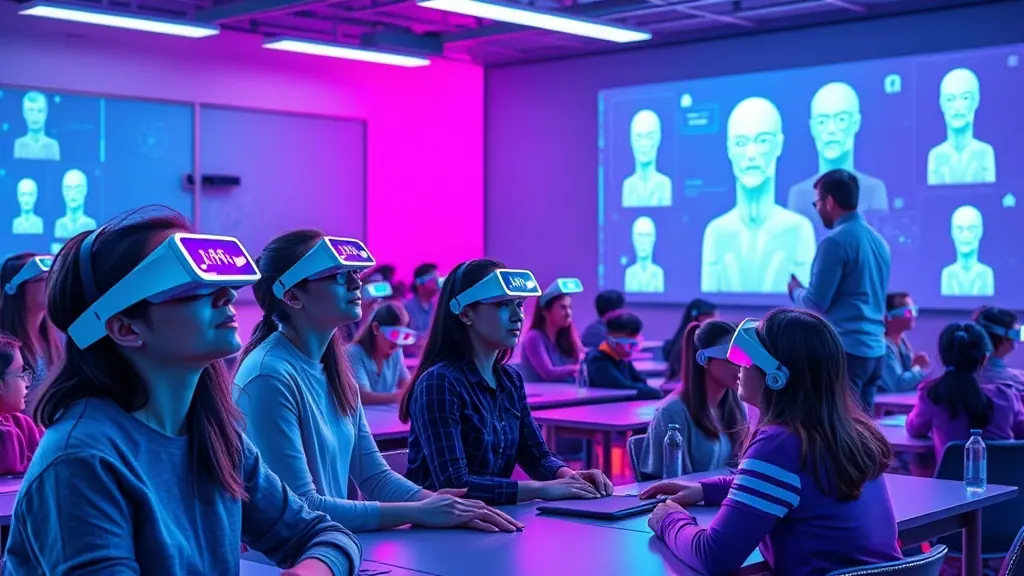
Is the Future of Education Personalized AI?
Imagine a classroom where every student receives a learning experience perfectly tailored to their needs. It's no longer a dream. In 2026, Artificial Intelligence (AI) is revolutionizing education, shifting from experimental tool to core component. Forget one-size-fits-all; personalized learning is here, and it's powered by AI.
The Rise of the AI Tutor
AI's impact is most profound in personalized learning. AI systems can now pinpoint knowledge gaps, understand individual learning styles, and create customized lessons for each student. This isn't just theory; it's delivering real results. According to a recent AIPRM report, U.S. students using AI-powered instruction systems saw a remarkable 62% increase in test scores. Institutions like Kyron Learning are experiencing up to 70% higher course completion rates by using AI.
But what does this mean for teachers?
The Teacher's Evolving Role
The rise of AI doesn't signal the end of teachers, but rather a transformation of their role. As Duolingo founder Luis Von Ahn predicts, AI will increasingly handle instructional tasks, freeing up teachers to become mentors and facilitators. This shift allows educators to provide more individualized attention and support, focusing on critical thinking, creativity, and social-emotional development. AI provides 24/7 support, answering questions and providing guidance even when teachers are unavailable.
Responsible AI: The Key to Success
Of course, integrating AI into education isn't without its challenges. Institutions are now prioritizing responsible AI deployment, focusing on practical, measurable applications rather than broad promises. This includes:
- Course Design Support: AI assists teachers in creating engaging and effective learning materials.
- Teacher Productivity Tools: AI automates administrative tasks, freeing up teachers to focus on instruction.
- Streamlined Workflows: AI optimizes instructional and administrative processes.
- Structured Student Support: AI provides personalized guidance and feedback to students.
National pilots in South Korea and India, along with partnerships like Pearson, Microsoft, demonstrate a commitment to AI that is governed, verifiable, and seamlessly integrated into existing workflows. K-12 districts are developing clear policies and standards to promote responsible AI use while protecting students and driving measurable impact.
Beyond Personalization: Other EdTech Trends to Watch
While AI-powered personalized learning takes center stage, other technologies are also transforming education:
- VR/AR: Virtual and augmented reality are creating immersive learning experiences. Imagine exploring ancient Rome or dissecting a virtual frog.
- Digital Infrastructure: Behind the scenes, institutions are strengthening their digital infrastructure, focusing on data management, interoperability, and governance.
- Skills-Based Learning: The focus is shifting from traditional degrees to demonstrable skills. Digital credentials are becoming essential for learning and hiring.
What This Means For You
- For Students: Expect more personalized learning experiences, tailored to your individual needs and learning style.
- For Teachers: Embrace the role of mentor and facilitator, leveraging AI to enhance your teaching and provide more individualized support.
- For Parents: Stay informed about the technologies your children are using and advocate for responsible AI implementation in schools.
The Future is Now
The transformation of education is underway, and AI is at the forefront. By embracing responsible AI, focusing on personalized learning, and adapting to the evolving roles of teachers and students, we can unlock the full potential of education in the 21st century. The future of learning is here, and it's powered by AI.
Discussion (0)
Commenting as
No comments yet. Be the first to share your thoughts!
The discussion could not be loaded. Please refresh the page.
AI researcher turned science communicator


