
AI's Insatiable Hunger: Google's Geothermal Gambit & the Looming Energy Crisis
AI's energy demands are skyrocketing. Google's massive geothermal deal is just the tip of the iceberg as the tech world races to power its AI ambitions sustainably (or face blackouts).
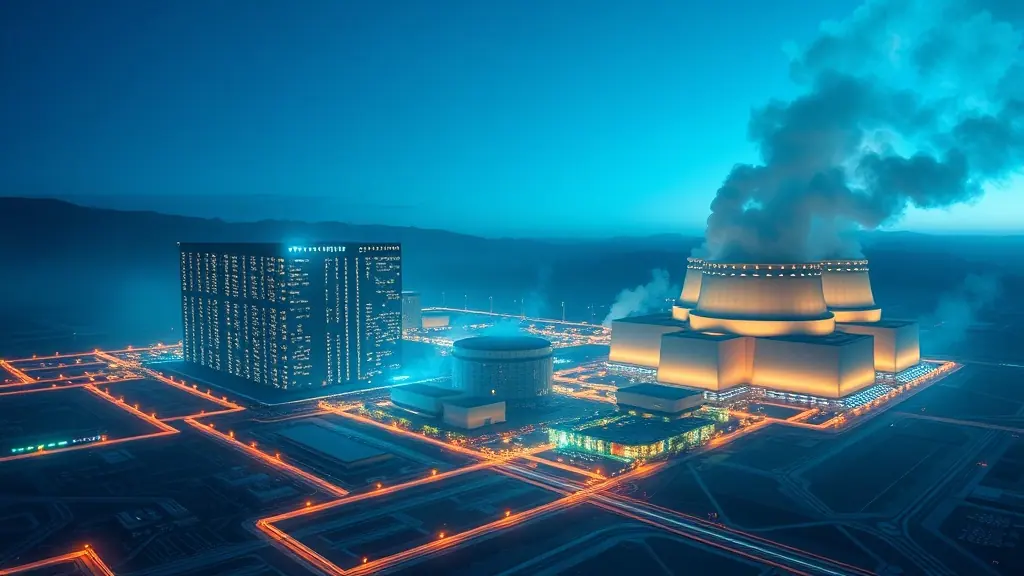
The AI Energy Paradox: Innovation's Dark Secret
We're on the cusp of an AI revolution, a world of personalized medicine, self-driving cars, and instant language translation. But beneath the surface of this technological utopia lurks a growing crisis: energy. The voracious appetite of AI data centers threatens to outstrip our power supply, potentially crippling the very innovations they promise to deliver.
On February 20, 2026, Google fired a shot heard 'round the energy world, signing a staggering 150MW geothermal power deal. This wasn't just a PR stunt; it was a desperate move to secure a reliable, sustainable energy source for its AI data centers, which are increasingly straining under the weight of ever-more-complex AI workloads.
Hyperscalers Scramble for Power: The Geothermal Gold Rush
Google isn't alone in this scramble. The other hyperscalers are also facing the reality that AI requires immense computational power, and that power requires energy. And, if they are to meet their sustainability goals, they need that energy to come from renewable sources. Expect to see a surge in investment in innovative energy solutions like geothermal, advanced nuclear, and large-scale battery storage in the coming years.
This trend has profound implications for the energy sector, effectively creating a 'geothermal gold rush' as companies race to tap into this stable, renewable resource. It also highlights the critical link between technological advancement and infrastructure development. AI can only flourish if we can power it sustainably.
Nvidia's Power Play: Performance Per Watt is the New Battleground
Chipmakers are also feeling the pressure. Nvidia CEO Jensen Huang, fresh from teasing unreleased chips slated for the upcoming GTC event, is signaling a new era of chip design focused on "performance per watt." The game isn't just about raw processing power anymore; it's about efficiency. These next-generation chips will prioritize improved memory bandwidth, networking, and energy efficiency, all crucial for large-scale AI training and inference.
For consumers, this means smaller, cooler, and more powerful devices. For data centers, it means lower energy bills and reduced environmental impact. And for the planet, it means a more sustainable path towards an AI-powered future.
India's $110 Billion Bet: AI Infrastructure as a National Imperative
The AI energy crisis isn't just a Western problem. Reliance Industries' recent announcement of a $110 billion AI infrastructure investment in India underscores the global scale of this challenge. This ambitious initiative aims to build multi-gigawatt compute and connectivity infrastructure, positioning India as a major player in the AI landscape. This investment aims to boost domestic digital capabilities, cloud, telecom, and enterprise ecosystems. It also will likely increase the demand for renewable energy in the country.
What This Means For You:
- Higher Electricity Bills?: As AI data centers consume more power, we could see upward pressure on electricity prices, especially in regions with limited renewable energy sources.
- Smarter Devices: The push for energy-efficient AI chips will lead to more powerful, longer-lasting smartphones, laptops, and other devices.
- New Investment Opportunities: The AI energy crisis is creating new opportunities for investment in renewable energy, energy storage, and efficient computing technologies.
Beyond the Headlines: A Sustainable AI Future
The developments of February 20, 2026, offer a glimpse into the future of AI: a future where energy efficiency and sustainability are paramount. The race is on to develop innovative energy solutions, design more efficient hardware, and optimize AI algorithms to minimize their energy footprint.
It's no longer enough to simply build powerful AI systems; we must build them responsibly. The Google geothermal deal, Nvidia's power-efficient chips, and Reliance's massive infrastructure investment are all steps in the right direction, but they are just the beginning. The true challenge lies in creating a truly sustainable AI ecosystem that benefits humanity without compromising the planet.
Discussion (0)
Commenting as
No comments yet. Be the first to share your thoughts!
The discussion could not be loaded. Please refresh the page.
How-to guide expert and developer advocate


