
AI's Education Revolution: Will Personalized Learning Save the Classroom?
AI is no longer a futuristic fantasy in education; it's here, and it's personal. Discover how AI-driven personalization is transforming learning, the ethical debates it sparks, and what it means for students, teachers, and the future of education.
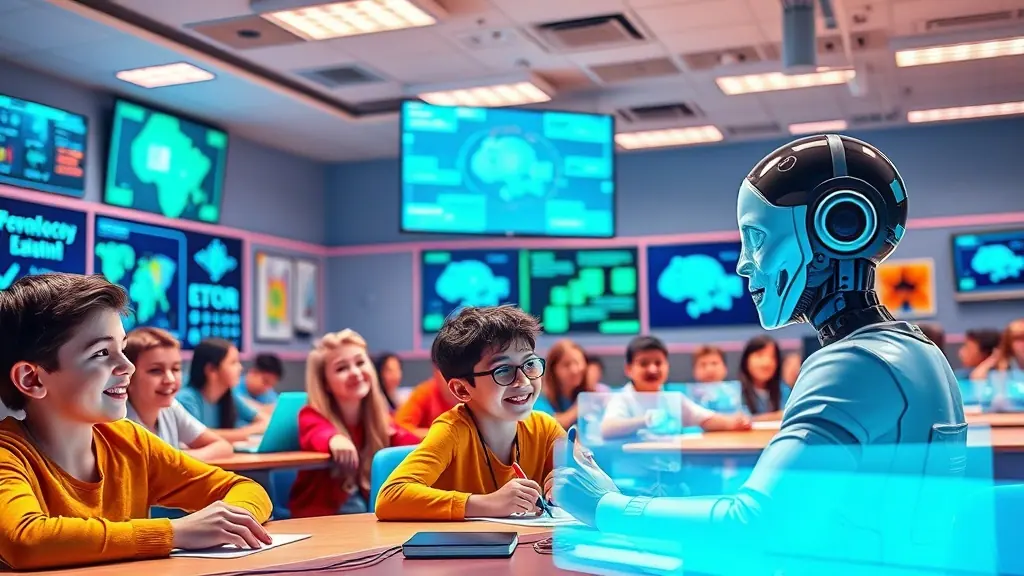
The AI Education Revolution is HERE
Imagine a classroom where every student receives a learning experience perfectly tailored to their needs. Sound like science fiction? Think again. Artificial intelligence is rapidly transforming education, offering unprecedented opportunities for personalized learning, but also raising crucial ethical questions. As of early 2026, AI is no longer just a trend; it's a core component of educational transformation.
Personalized Learning: AI to the Rescue
The promise of AI lies in its ability to personalize education at scale. AI academic agents can now analyze student performance, identify learning gaps, and adapt instruction in real-time. This means students receive targeted support where they need it most, leading to improved outcomes and a more engaging learning experience. Think of it as having a dedicated tutor for every student, available 24/7.
For example, schools like Denver Public Schools are already embracing AI-powered platforms like MagicSchool AI. These platforms assist teachers with lesson planning and instruction, freeing them up to focus on individual student needs. This adoption is largely driven by teacher demand, further supported by grants aimed at advancing AI in education. A 2024 Gates Foundation award, focusing on math education, is a prime example of this growing investment.
Ethics and Governance: Navigating the AI Minefield
The rise of AI in education isn't without its challenges. Ethical considerations, data privacy, and algorithmic bias are critical concerns that must be addressed. It’s no longer enough to simply adopt AI tools; we must ensure they are used responsibly and ethically.
Districts are grappling with the complexities of scaling AI while staying within budget and protecting student data. Leaders are urging careful scrutiny of large language models, emphasizing the need for data literacy and critical evaluation of AI-generated content. The OECD Digital Education Outlook 2026 is actively researching generative AI tools, reflecting the global importance of this issue. With free AI options potentially transitioning to paid models, districts are compelled to prioritize student data protection above all else.
Accessibility and Inclusivity: Leveling the Playing Field
Beyond personalization, technology is also enhancing accessibility in education. Platforms like D2L Brightspace are leading the way with features like Accessibility+, which provides instructors with detailed reports on the accessibility of their course materials. Minnesota State users now have free access to Instructor Accessibility Reports for WCAG/ISO compliance, with file remediation and alternate formats planned for Spring 2026. This ensures that all students, regardless of their abilities, have equal access to learning resources. D2L is offering training via Accessibility Sprints to support educators in creating inclusive learning experiences.
Hybrid Learning: The Best of Both Worlds
The future of education is increasingly hybrid, blending online and in-person learning experiences. Cyber-physical learning environments are emerging, integrating physical and digital elements such as telepresence robots, mixed reality, and 24/7 remote labs. This allows students to engage with learning materials in new and immersive ways, regardless of their location.
Tec de Monterrey's 2026 forecast emphasizes hybrid models, lifelong learning, new credentials, wellbeing, sustainability, and critical AI use. This holistic approach reflects a growing understanding that education must address not only academic skills but also the social, emotional, and ethical dimensions of learning.
What This Means for You
For Students:
- Expect more personalized learning experiences tailored to your individual needs.
- Develop critical thinking skills to evaluate AI-generated content.
- Embrace hybrid learning models that offer flexibility and access to diverse resources.
For Teachers:
- Explore AI-powered tools to streamline lesson planning and personalize instruction.
- Prioritize ethical considerations and data privacy when using AI in the classroom.
- Participate in professional development to enhance your digital literacy and AI skills.
For Parents:
- Stay informed about the technologies being used in your child's education.
- Encourage critical thinking and media literacy skills at home.
- Advocate for responsible and ethical use of AI in schools.
The Future of Education is Now
The integration of AI and other technologies is transforming education in profound ways. From personalized learning to enhanced accessibility and hybrid learning environments, the possibilities are endless. However, it’s crucial to approach these advancements with a critical and ethical mindset, ensuring that technology serves to empower all learners and create a more equitable and effective education system for all.
Discussion (0)
Commenting as
No comments yet. Be the first to share your thoughts!
The discussion could not be loaded. Please refresh the page.
EdTech specialist and former computer science educator


