
AI & Robots Rising: How EdTech is Redefining Learning in 2026
From AI-powered lesson planning to classroom robots, see how schools are embracing cutting-edge tech. Denver's AI investments, accessibility cleanup, and shifts in edtech reviews highlight the changing landscape.
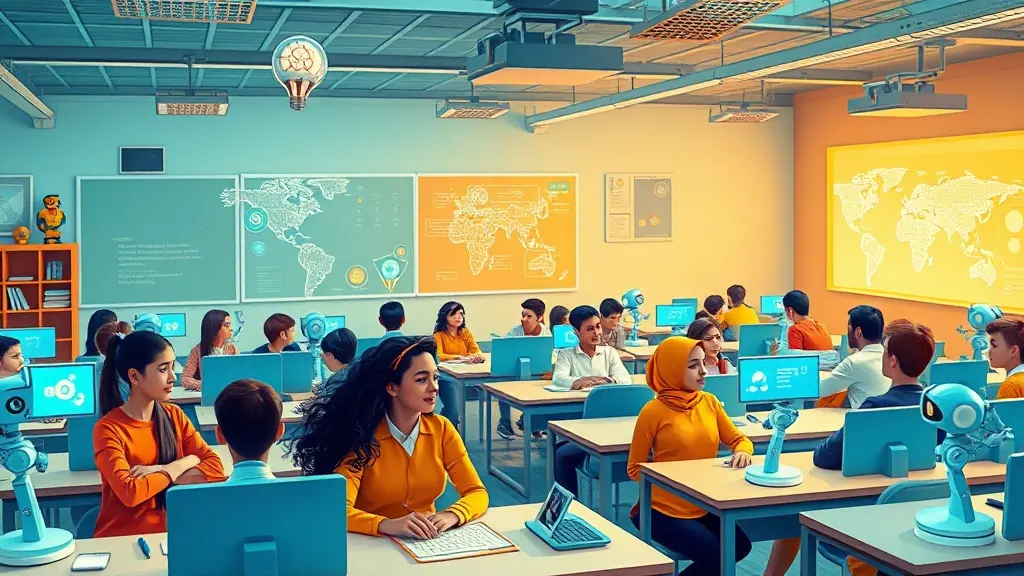
The Future is Now: AI and Robots Transform Education
Imagine a classroom where AI personalizes every lesson and robots teach STEM skills. This isn't science fiction, it's the reality unfolding in schools across the nation right now. The recent FETC 2026 conference offered a glimpse into this future, showcasing how artificial intelligence and robotics are revolutionizing education.
AI Takes Center Stage: From Planning to Personalization
One of the biggest takeaways from FETC 2026 was the surge in AI-powered tools designed to make teachers' lives easier and learning more effective. Tools like MagicSchool, for example, are helping educators create lesson plans and differentiate instruction for diverse learners. Denver Public Schools, recognizing the potential, has even allocated local funding for MagicSchool AI, fueled by teacher demand for ethical and effective tools.
But it's not all smooth sailing. As schools increasingly adopt AI, they're also grappling with tighter budgets, data privacy concerns, and the need for evidence-based solutions. Experts predict a shift away from free tools towards paid options that can demonstrate a clear impact on student outcomes. Only a few states are currently piloting ways to actually measure the impact of these tools, highlighting the need for more rigorous evaluation.
"A.I. Classroom Survivor": Navigating the AI Landscape
The excitement around AI is palpable, with FETC even hosting "A.I. Classroom Survivor" workshops to help educators navigate this new terrain. The OECD's Digital Education Outlook 2026 is also diving deep into generative AI research, seeking to highlight truly innovative tools. The prevailing mood is one of optimism, a belief that AI can redefine learning for the better.
Robots in the Classroom: Hands-on STEM Learning
Beyond AI, robots are also making their mark in education, particularly in STEM fields. Companies like VAN (with ABii) and LittleBits (with indi, mini, and RVR) are creating robots designed to make learning hands-on, engaging, and personalized. These robots are not just toys; they are powerful tools for building technology interaction skills and fostering a love for STEM.
Accessibility and Shifting Landscapes: What's Changing?
While AI and robots grab headlines, other important changes are happening behind the scenes. Let's take a look:
- Accessibility Cleanup: Schools are increasingly focused on ensuring digital content is accessible to all learners. D2L Brightspace's Accessibility+, now free for Minnesota State users, helps faculty create WCAG-compliant materials.
- EdTech Reviews: With Common Sense Education pausing its edtech reviews in February 2026, educators are seeking alternative platforms like EdTech Index for reliable ratings on safety, evidence, and usability.
- Skills-Based Hiring: The focus is shifting towards interoperable digital credentials that showcase specific skills, reflecting a move towards skills-based hiring practices.
Implications for You
For Students:
Get ready for more personalized learning experiences tailored to your individual needs. Embrace the opportunity to learn with AI and robots, developing valuable tech skills for the future.
For Teachers:
Explore AI-powered tools like MagicSchool to streamline your workload and personalize instruction. Stay informed about the latest research and best practices for using AI ethically and effectively.
For Parents:
Be aware of the technologies being used in your child's school and encourage them to embrace these new learning opportunities. Ask questions about data privacy and the impact of technology on student outcomes.
Looking Ahead
As we move further into 2026, expect critical decisions on AI policy, particularly regarding safety laws. Denver's Gates Foundation grant for AI math instruction shows how targeted investments can drive innovation. The focus will be on using AI and robots to deliver rigorous, personalized content, all while carefully evaluating their impact on student learning.
The Takeaway
The rise of AI and robots in education is not just a trend, it's a fundamental shift in how we teach and learn. By embracing these technologies thoughtfully and strategically, we can create more engaging, personalized, and effective learning experiences for all students.
Discussion (0)
Commenting as
No comments yet. Be the first to share your thoughts!
The discussion could not be loaded. Please refresh the page.
Cybersecurity and privacy journalist


