
AI Revolution: How Personalized Learning is Transforming Education
AI is no longer a futuristic dream, it's here, and it's reshaping education. Explore how AI-powered tools are creating personalized learning experiences, boosting student outcomes, and redefining teaching roles.
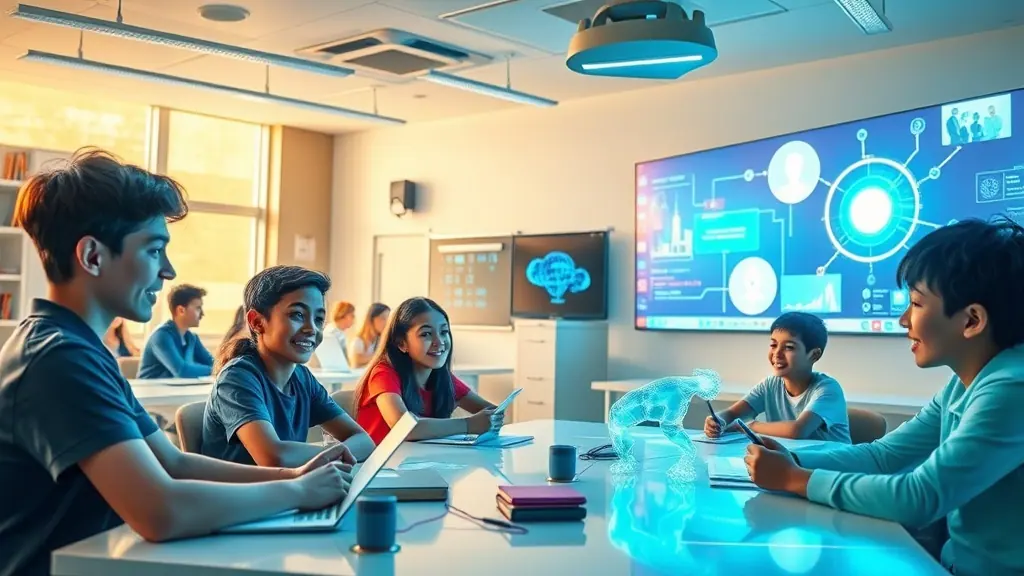
The AI Takeover: Personalized Learning Arrives
Imagine a world where every student receives a learning experience tailored precisely to their needs, strengths, and weaknesses. It's no longer a distant dream. According to a 2025 Microsoft report, a staggering 86% of organizations are now using generative AI. This surge in AI adoption is fueling personalized learning at an unprecedented scale, leading to impressive results, including a 62% increase in test scores for U.S. students using AI systems.
But how exactly is this transformation unfolding, and what does it mean for students, teachers, and parents?
AI-Powered Tools: The Engines of Change
Several innovative platforms and tools are leading this charge:
- Kyron Learning: This AI-powered startup, backed by $14.6 million in Series A funding, is delivering personalized learning at scale. Kyron Learning adapts instruction in real-time, ensuring that students grasp concepts fully before moving on.
- Buddy.ai: This multimodal AI tutor app is helping children learn English through voice recognition. Praised as a "game-changer" for speaking practice in crowded classrooms, Buddy.ai outperforms traditional methods, offering personalized feedback and support.
AI's Role in the Classroom: More Than Just a Tutor
AI isn't just about personalized tutoring; it's becoming an integral part of the entire educational ecosystem. Nearly all superintendents are optimistic about the ability for AI to become a key purchasing factor. AI is now being used for:
- Lesson Planning: AI can analyze student data to identify learning gaps and create customized lesson plans.
- Data Analysis: AI algorithms can track student progress and provide insights into areas where students are struggling.
- Content Creation: AI can generate educational content, such as quizzes, worksheets, and even interactive simulations.
- Personalization: AI is being used to tailor learning experiences to individual student needs, providing personalized feedback and support.
By automating these tasks, AI is freeing up teachers to focus on what they do best: building relationships with students and providing individualized instruction.
Addressing the Challenges: Screen Time, Cybersecurity, and Equity
While the potential of AI in education is immense, it's important to acknowledge the challenges. Concerns about screen time, cybersecurity, and equitable access must be addressed to ensure that AI benefits all students.
- Screen Time: Many districts are formalizing bans on cell phones and reducing screen time to combat disengagement and attention issues.
- Cybersecurity: Districts are running phishing simulations and demanding vendor accountability to protect student data.
- Equity: Ensuring that all students have access to AI-powered tools and resources is crucial to prevent the digital divide from widening.
Additionally, academic integrity is a concern, as students could potentially use AI for unauthorized assistance. Clear district policies and guardrails are needed to promote responsible and scalable AI use.
The Future of Education: Hybrid Learning and Governed AI
Looking ahead to 2026 and beyond, several key trends are shaping the future of education:
- Hybrid Learning: Blending in-person teaching with VR/XR experiences is becoming increasingly common, offering deeper engagement and more immersive learning experiences.
- Governed AI: Schools are shifting toward governed AI deployment, prioritizing workflow efficiency, instructional quality, and skills development.
- Platform Consolidation: Districts are consolidating platforms to reduce overload and prioritizing interoperability and ecosystems that integrate academic content with mental health support, career guidance, and peer communities.
What This Means For You
For students: Get ready for a more personalized and engaging learning experience. AI-powered tools can help you learn at your own pace, identify your strengths and weaknesses, and receive tailored feedback.
For teachers: Embrace AI as a tool to enhance your teaching. AI can automate administrative tasks, personalize learning, and provide insights into student progress, freeing you up to focus on building relationships and providing individualized instruction.
For parents: Stay informed about the latest EdTech trends and advocate for responsible and equitable AI implementation in your children's schools. Work with schools to ensure the right guardrails are put in place.
A New Era of Learning
The AI revolution is transforming education as we know it. By embracing these technologies responsibly and strategically, we can create a future where every student has the opportunity to reach their full potential. The shift from rapid experimentation to thoughtful, student-centered implementation marks a new era of learning, one where technology empowers both students and educators alike.
Discussion (0)
Commenting as
No comments yet. Be the first to share your thoughts!
The discussion could not be loaded. Please refresh the page.
Innovation correspondent with 10 years in Silicon Valley


