
AI is Morphing Classrooms: How Tech Transforms Learning in 2026
AI is no longer a futuristic fantasy; it's reshaping classrooms NOW. Discover how AI, robots, smart glasses, and other EdTech breakthroughs are changing how students learn and teachers teach!
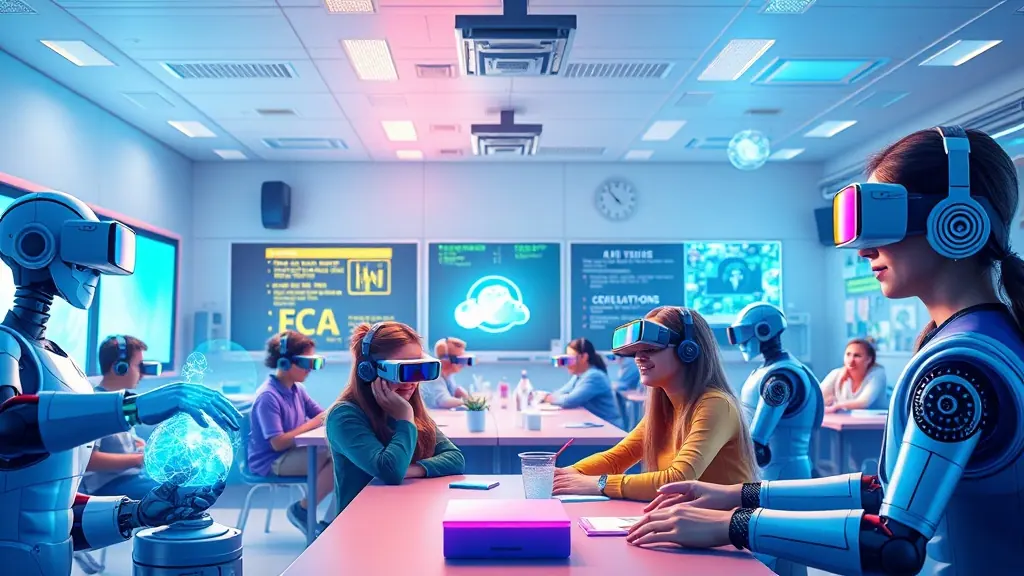
The AI Revolution in Education is HERE!
Imagine a classroom where lessons adapt in real-time to each student's emotional state, where AI-powered robots offer personalized instruction, and where virtual reality transports students to ancient civilizations. This isn't science fiction, it's the reality of education in 2026!
Recent events like CES and FETC 2026 have showcased a surge in educational technology (EdTech), demonstrating that AI integration and emerging hardware are no longer just trends but core components of modern learning environments.
MagicSchool AI: A Teacher's New Best Friend
One of the most talked-about innovations is MagicSchool AI. This platform, which gained prominence at FETC 2026, offers AI-powered tools designed to make teachers' lives easier. From lesson planning and differentiating instruction to writing assessments and communicating with families, MagicSchool AI provides an intuitive interface that streamlines essential tasks.
Denver Public Schools recognized the value of this technology and funded it locally after strong teacher demand. Furthermore, the platform secured Gates Foundation grants for AI in math. This shows a real commitment to leveraging AI to improve educational outcomes.
Classroom Robots: More Than Just Toys
Robots are increasingly finding their place in the classroom. Companies like VAN are developing AI-enabled social robots (e.g., BOLT, indi, mini, RVR) that provide personalized instruction, offer task guidance, and facilitate hands-on STEM learning. These robots aren't just about entertainment; they're about fostering essential technology interaction skills that will be crucial for students in the future.
Beyond the Screen: Immersive Learning with AR/VR and Smart Glasses
Forget textbooks, the future of learning is immersive. Augmented Reality (AR), Virtual Reality (VR), and smart glasses are transforming classrooms into interactive interfaces. Imagine students using Meta Displays or TCL RayNeo Air 4 Pro to conduct virtual science labs, experience simultaneous translation for inclusive learning, or overlay historical content onto their real-world surroundings. This technology makes learning more engaging and accessible than ever before.
AI's Ethical Tightrope
While the potential of AI in education is immense, it's essential to address the ethical implications. Concerns about data privacy, algorithmic bias, and the impact on child rights are legitimate and require careful consideration. Organizations like the OECD and projects in the UK are actively researching these issues to ensure that AI is used responsibly and equitably in education. Schools, like Denver Public Schools, are prioritizing safe, ethical platforms amid budget scrutiny. Only a few states currently pilot measurements on the impact of AI, an important area for future development.
What This Means For You
For Students:
- Expect more personalized learning experiences tailored to your individual needs and learning styles.
- Prepare to interact with new technologies like AI-powered robots and virtual reality tools.
- Develop critical thinking skills to navigate the ethical challenges of AI.
For Teachers:
- Embrace AI as a powerful tool to enhance your teaching and reduce administrative burdens.
- Explore new pedagogical approaches that leverage AR/VR and other emerging technologies.
- Stay informed about the ethical implications of AI and advocate for responsible use.
For Parents:
- Be aware of the technologies being used in your child's classroom and their potential benefits.
- Engage in conversations about digital ethics and responsible technology use.
- Support schools in their efforts to integrate technology in a safe and equitable way.
The Future of Education is Now
The EdTech revolution is transforming education as we know it. AI, robots, and immersive technologies are creating new opportunities for personalized, engaging, and effective learning. While challenges remain, the potential benefits for students, teachers, and parents are undeniable. By embracing these innovations and addressing the ethical considerations, we can create a future where technology empowers all learners to reach their full potential. The shift from pilot programs to AI as a core infrastructure demonstrates that these technologies are here to stay, with emerging quantum computing promising even greater integration in the future.
Discussion (0)
Commenting as
No comments yet. Be the first to share your thoughts!
The discussion could not be loaded. Please refresh the page.
Open source advocate and full-stack developer


