
AI Gridlock? Microsoft's Superconducting Cables May Save the Day
AI's explosive growth is hitting a wall: energy. Microsoft is testing superconducting cables to power AI data centers, promising massive efficiency gains and sidestepping gridlock. Is this the key to sustainable AI?
AI's Insatiable Appetite: A Looming Energy Crisis
The artificial intelligence revolution is here, and it's hungry. Insanely hungry. As AI models grow larger and more complex, their energy demands are skyrocketing, threatening to cripple the very infrastructure they rely on. The current energy grid struggles to keep up, leading to community pushback and regulatory constraints on AI development. But what if we could drastically reduce the energy needed to power these AI behemoths?
Microsoft's Bold Bet: Superconducting Cables to the Rescue
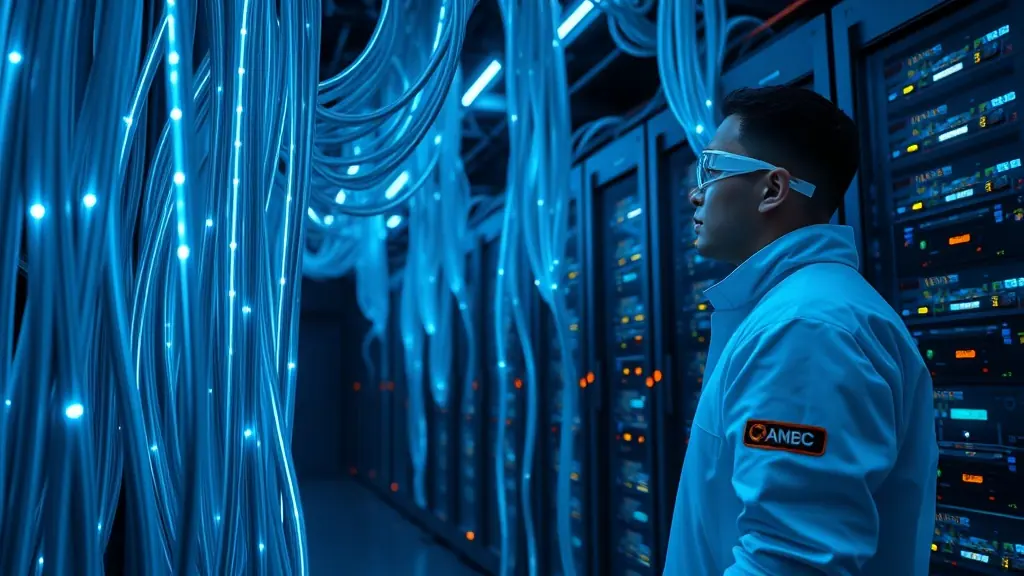
Enter Microsoft, which announced on February 11, 2026, that they are testing high-temperature superconducting power cables for their AI data centers. This isn't just a minor tweak; it's a potential game-changer. Traditional copper cables lose a significant amount of energy as heat during transmission. Superconducting cables, on the other hand, offer virtually zero resistance, meaning electricity can flow with almost no loss.
The Benefits are Enormous:
- Reduced Footprint: Superconducting cables can carry far more power than copper cables of the same size. This means data centers can shrink their physical infrastructure, saving valuable space and resources.
- Increased Efficiency: By eliminating energy loss during transmission, superconducting cables dramatically improve the overall efficiency of AI data centers. This translates to lower energy bills and a smaller carbon footprint.
- Unlocking Growth: Addressing the energy bottleneck unlocks further AI development. Upgrading power grids can take years and cost billions. Superconducting cables offer a quicker, more efficient solution, circumventing upgrade bottlenecks and allowing for faster scaling.
Samsung's HBM4 Memory Chips: Powering the Next AI Wave
Microsoft's innovation arrives at a critical time. Just one day later, on February 12, 2026, Samsung began mass production of HBM4 memory chips. These chips are essential for the next generation of AI model training, further fueling the demand for efficient power solutions. Without advancements like superconducting cables, the potential of HBM4 risks being limited by energy constraints.
The Bigger Picture: Sustainable AI is the Future
Microsoft's move underscores a growing awareness that AI's future depends on sustainability. As California and Texas implemented stricter energy regulations on January 1, 2026, the pressure to find efficient solutions has intensified. This isn't just about saving money; it's about ensuring that AI can continue to develop without overburdening our planet.
Apple and Google Join Forces: A Sign of the Times?
Even Apple, once seemingly on the AI sidelines, is making a significant push. Their partnership with Google, announced earlier and confirmed in recent rundowns, to integrate Gemini models and cloud tech into Siri highlights the industry-wide recognition of AI's importance. However, capable AI requires massive computing power, putting even more strain on energy resources. It's a reminder that sustainable AI isn't just a niche concern; it's a fundamental requirement for future progress.
What This Means For You
This has major implications across numerous industries. For consumers, expect faster, more responsive AI-powered services and devices. For businesses, it could mean access to more powerful AI tools without the crippling energy costs. For the planet, it represents a step toward a more sustainable future where technology and environmental responsibility go hand in hand.
The Takeaway: Innovation Needs Infrastructure
The AI revolution isn't just about algorithms and data; it's about building the infrastructure to support those innovations. Microsoft's investment in superconducting cables is a prime example of how addressing fundamental challenges can unlock exponential growth. As AI continues to evolve, expect to see more companies focusing on sustainable solutions that pave the way for a brighter, more efficient future. The question is: will others follow Microsoft's lead, or will the energy grid become the ultimate bottleneck for AI's potential?
Discussion (0)
Commenting as
No comments yet. Be the first to share your thoughts!
The discussion could not be loaded. Please refresh the page.
Machine learning engineer and technical writer


