AI at a Crossroads: The Great Decel Debate and the Global Hardware Crunch
As Sam Altman faces calls to slow down, a global memory shortage triggered by AI is already hitting your favorite gadgets. Here is how the battle for AI’s future affects you.
Key takeaways
- AI infrastructure demand is causing a global memory shortage that is directly impacting consumer products like the MacBook Air.
- The 'Decel' vs. 'Acceleration' debate has moved from theoretical ethics to a primary driver of tech policy and supply chain management.
- Sam Altman and OpenAI remain at the center of the conflict between rapid innovation and the need for safety-first governance.
The Silicon Standoff: A World Divided by Speed
Your computer is getting more expensive because a computer somewhere else is getting too smart. In the summer of 2026, the technology world finds itself at a historic impasse: a philosophical war over the speed of artificial intelligence development that has spilled out of research labs and into the global supply chain. At the center of this storm is OpenAI’s Sam Altman and a growing movement known as deceleration, or decel, which argues that we must slow down before we lose control.
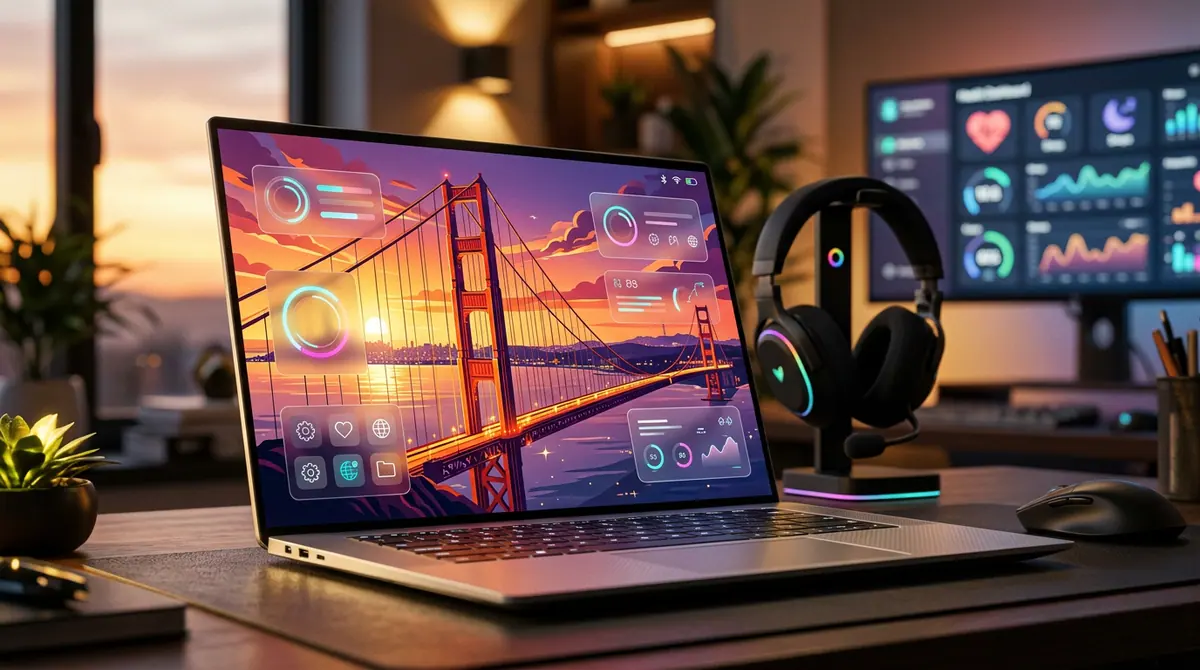
According to a report by The Verge, the decel debate has reached a fever pitch, pitting safety advocates against accelerationists who believe the benefits of AI in medicine and productivity are too great to delay. While these leaders argue in boardrooms, the physical reality of their ambition is hitting the average consumer where it hurts: the wallet. Industry reports have confirmed that a global memory shortage, fueled by the insatiable demand for AI infrastructure, has officially hit the production lines of the MacBook Air, Apple’s most popular consumer laptop.
The Hardware Tax: Why AI is Eating the MacBook Air
For years, we viewed AI as a software phenomenon, something that lived in the cloud and interacted with us through a screen. However, as noted in recent supply chain analyses, the boom in AI server buildouts has reshaped how the world allocates memory components like DRAM and NAND. Companies are prioritizing high margin AI data centers over consumer electronics, leaving mainstream devices like the MacBook Air exposed to rising costs and limited configurations.
What this means for the average student or professional is a return to a landscape of hardware scarcity. When a commodity component like memory becomes a bottleneck, manufacturers often respond by hiking prices for base models or limiting the availability of upgrades. This is the first time in the modern era that the rapid expansion of a single software technology has directly cannibalized the physical components needed for everyday personal computing.
What Changed: The Shift from Theory to Scarcity
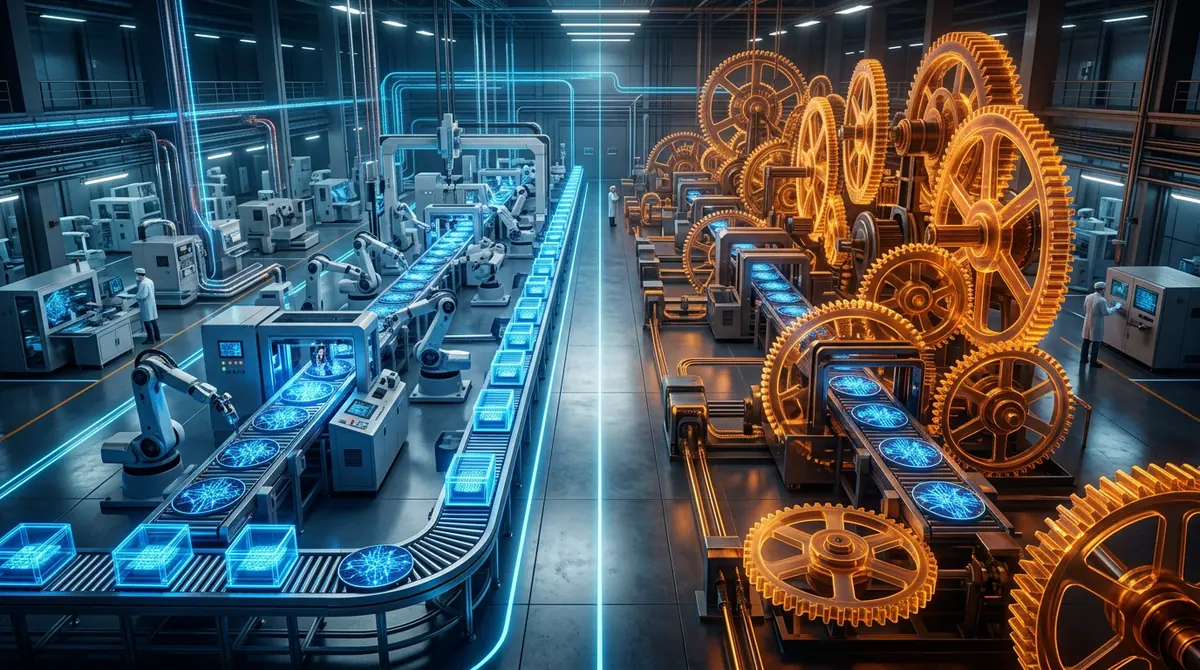
Before 2026, the debate around AI safety and speed was largely theoretical, discussed in academic papers and ethics committees. Today, the delta is clear: AI has become a physical weight on the global economy. We have moved from questioning whether AI could be dangerous to managing the immediate economic danger of its growth. The shortage of memory is no longer just a logistical hiccup; it is a signal that our digital ambitions have outpaced our manufacturing capacity.
The Decel Dilemma: Safety vs. Progress
The argument for deceleration, as highlighted in current tech circles, is built on the premise that frontier systems are being deployed faster than our ability to audit them. Safety first advocates argue that until we have robust frameworks for compute governance and risk thresholds, we are flying blind. They point to the potential for misinformation and labor disruption as reasons to hit the brakes.
On the other side of the aisle, Sam Altman and the accelerationists argue that slowing down unilaterally is a fool’s errand. If one lab slows down, another will surely take its place, potentially one with fewer safety protocols. They maintain that the only way to solve the risks of AI is to build better, more aligned AI, a process that requires more compute, more data, and more memory.
Context Box: Understanding the Decel Movement
The term decel refers to proponents of decelerationism, a philosophy that suggests technological growth, particularly in AI, should be intentionally slowed or regulated to prevent societal harm. It stands in direct opposition to effective accelerationism, which views rapid technological progress as the primary driver of human flourishing. In 2026, this is no longer just a Twitter debate; it is the fundamental question guiding international policy and corporate strategy.
Why It Matters: Your Digital Future
This conflict matters because it dictates the tools you will use tomorrow. If the decel movement wins, we may see a more stable, albeit slower, rollout of new features, giving society time to adjust to the shifting labor market. If the accelerationists prevail, we will see breathtaking breakthroughs in science and creativity, but at the cost of higher hardware prices and a volatile social landscape. Even the furniture we use reflects this shift toward specialized utility: a recent WIRED guide to the best office chairs of 2026 notes that the industry has moved away from a one size fits all approach, focusing instead on fit by use case as people spend longer hours in specialized digital environments.
What to Watch Next
Keep a close eye on upcoming model evaluations and government disclosure obligations. The next twelve months will likely see the introduction of new compute governance laws that could force AI labs to report their memory usage and safety testing results to international bodies. Furthermore, watch the pricing of consumer electronics this holiday season. If memory shortages persist, the affordable laptop as we know it might become a luxury item once again, all because the world’s smartest machines are hungry for the same silicon chips as your humble MacBook Air.
In the end, the innovation of 2026 is not just about a faster processor or a smarter chatbot; it is about finding the equilibrium between our reach and our grasp. Whether we choose to accelerate or decelerate, the physical limits of our planet’s resources are starting to demand a seat at the table.
Discussion (0)
Commenting as
No comments yet. Be the first to share your thoughts!
The discussion could not be loaded. Please refresh the page.
How-to guide expert and developer advocate